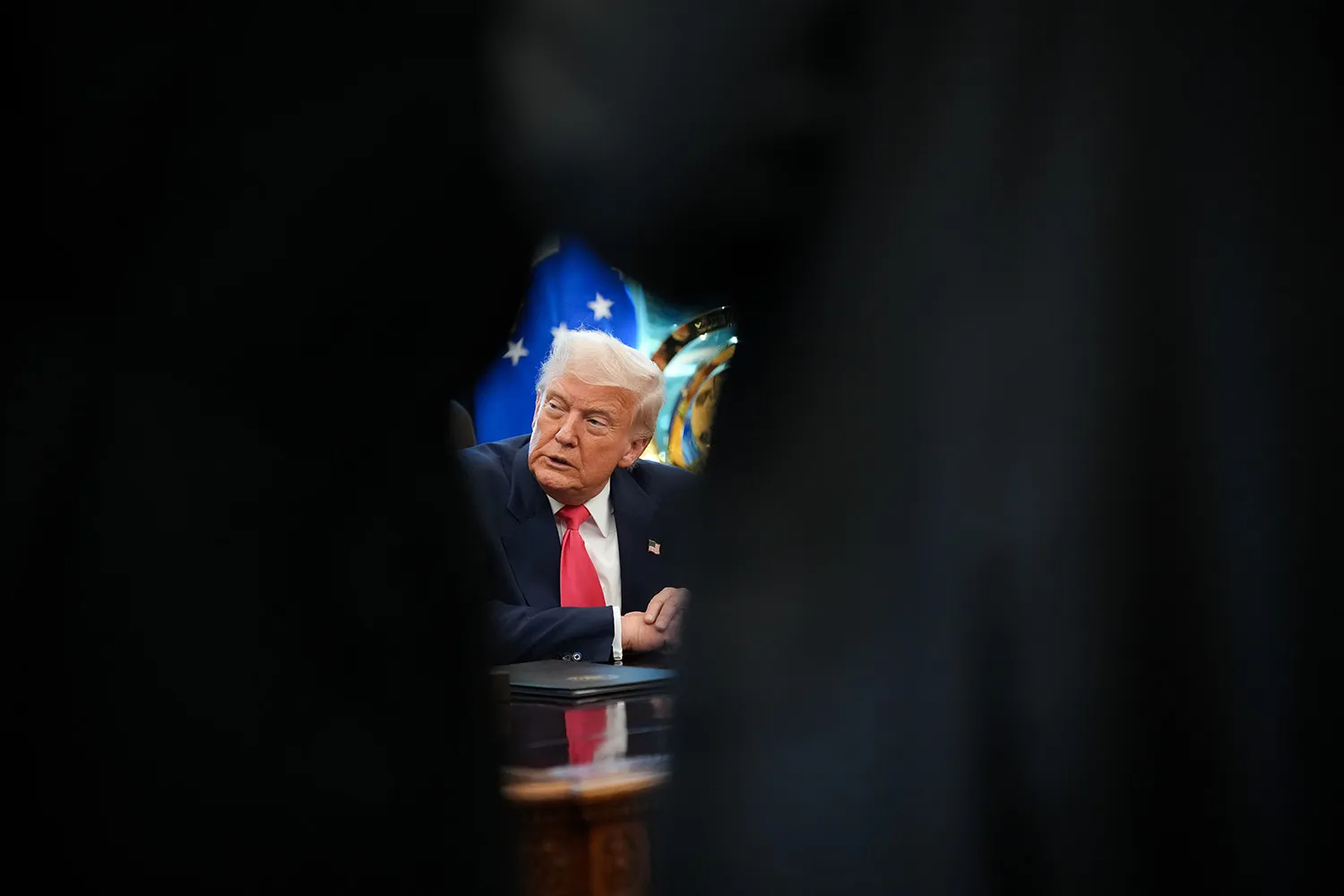

Trump map controversy sparked widespread anger across Europe after a controversial image was shared on social media showing several independent nations covered under the American flag. Trump map controversy unfolded rapidly as foreign officials reacted to the graphic which labeled vast territories including Canada Greenland Iceland Mexico Central America and the Caribbean as part of the United States. Icelandic Foreign Minister Thorgerdur Gunnarsdottir summoned American Ambassador Billy Long to express clear outrage over the post calling it completely inappropriate. The incident has raised fresh concerns among international allies who view these online images as a threat to national sovereignty and diplomatic respect.
Read Also: Trump Flying Fortress: What’s Changing?
Understanding how trump map controversy impacts international relations and alliances
The first main issue arising from this event is the immediate diplomatic strain placed on historic relationships between long standing NATO members. Summoning an ambassador is a formal step that signals serious dissatisfaction with foreign conduct and demands immediate explanation. When small nations feel their independence is mocked online by powerful allies trust breaks down very quickly.
The second factor is the growing concern over territorial claims regarding Greenland and surrounding northern regions. Previous statements demanding the purchase or control of autonomous lands have already caused deep friction between Washington Copenhagen and local governments. Repeating these themes visually fuels anxiety among European leaders who value settled borders and international law above all else.
The third aspect involves the political impact on local European elections and public opinion regarding global partnerships. In Iceland debate over joining the European Union has been influenced by fears regarding American reliability as a security partner. Seeing controversial territorial graphics pushes some voters to seek closer ties with continental neighbors for protection and economic stability.
Read Also: Can Trump Enforce a Strait of Hormuz Toll?
The fourth element is the timing of the social media post which occurred right alongside major European financial commitments in Greenland. European Commission President Ursula von der Leyen recently announced a two hundred million euro investment to support local infrastructure and development. Tensions rise when global powers compete for influence in Arctic regions rich in strategic resources and trade routes.
The fifth point is the firm response from Danish and Greenlandic leaders who repeatedly state that their land is not for sale or integration. Danish Prime Minister Mette Frederiksen made it clear that local residents have no desire to become American citizens. Leaders across the region insist that public sovereignty must be respected by foreign leaders regardless of political fame or social media reach.
The sixth impact is the silence from official diplomatic channels following the public outcry across multiple capitals. Requests for comment sent to the State Department as well as embassies in Reykjavik and Copenhagen went unanswered in the immediate aftermath. This lack of clear explanation leaves foreign governments guessing about the true intent behind provocative social media messages.
The seventh reason is the broader pattern of renaming or claiming geographic landmarks in neighboring territories. Recent claims involving regional waterways like the Strait of Hormuz or foreign lakes like Ontario have created ongoing confusion in international relations. Consistent disrespect for established borders harms international trade agreements and mutual security protocols.
Seven key facts about the international backlash
- Icelandic Foreign Minister Thorgerdur Gunnarsdottir summoned US Ambassador Billy Long over the incident
- The shared graphic labeled Canada Greenland Iceland Mexico and Central America under one US flag
- The diplomatic crisis comes shortly after Iceland voted on reopening EU membership negotiations
- Danish Prime Minister Mette Frederiksen reiterated that Greenland residents reject US integration
- European Union officials recently pledged two hundred million euros in development funds for Greenland
- The social media post was shared on Truth Social without any accompanying explanation or context
- Foreign ministry offices in multiple European capitals labeled the public image completely inappropriate
Monitoring developments around the trump map controversy shows how digital posts can quickly create real world geopolitical friction. Trump map controversy debates highlight the delicate balance required to maintain peaceful foreign partnerships today. Trump map controversy news reminds public officials that international respect remains crucial for global security.
Read Also: Trump cancel strike why did he back down
Trump map controversy discussions continue as diplomats work to protect national sovereignty amidst online political messaging. Following trump map controversy updates reveals how European nations unite to defend their historical borders against unwanted territorial claims. Trump map controversy reactions demonstrate that even small nations will speak up firmly when their independence is questioned.