


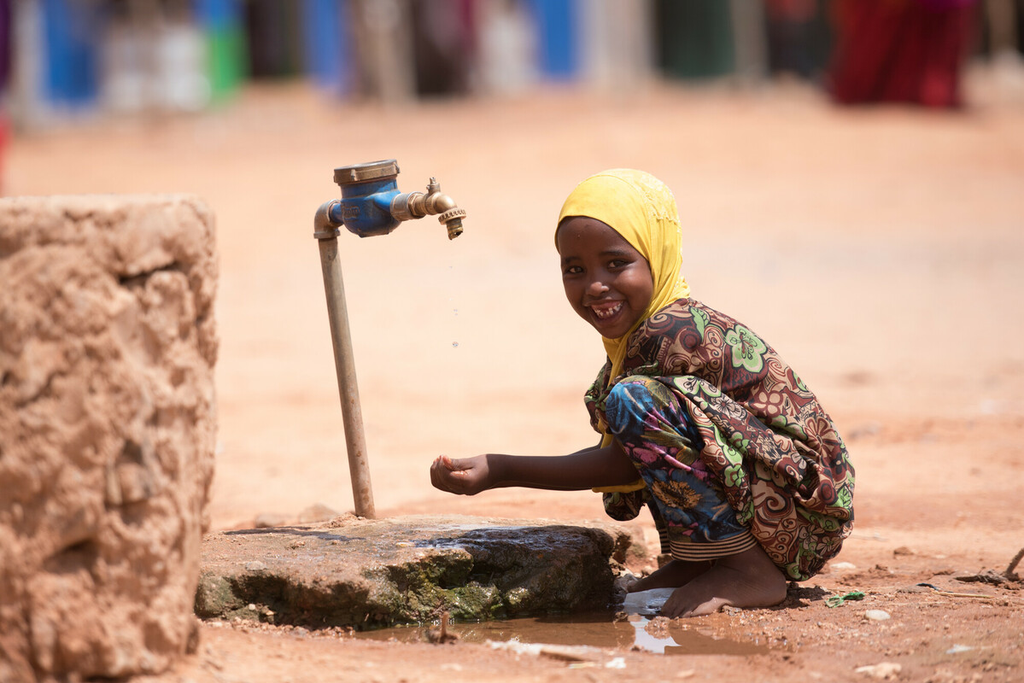
Somalia clean water shortage is one of the most serious problems that people in the country are facing every single day. Millions of families do not have access to safe drinking water and this creates huge health issues for adults and young children. When communities do not have clean wells or proper pipes they are forced to use dirty water from open ponds and rivers.
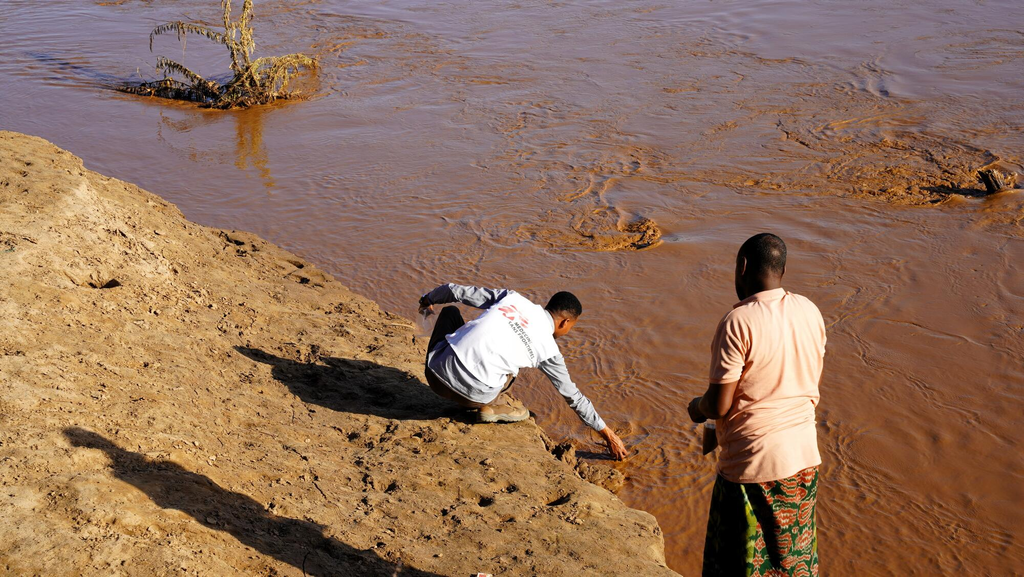
This situation leads to the spread of dangerous diseases like cholera and diarrhea which make people very sick. The government and international charity groups are trying to fix this issue but the combination of long droughts and poor infrastructure makes it very hard to provide safe water for everyone across all regions.
Read Also: Why do sick children symptoms worsen at night in many cases
The crisis of Somalia clean water access gets worse during dry seasons when local wells dry up completely. Mothers and young girls often have to walk for many miles every day just to carry heavy buckets of dirty water back to their homes.
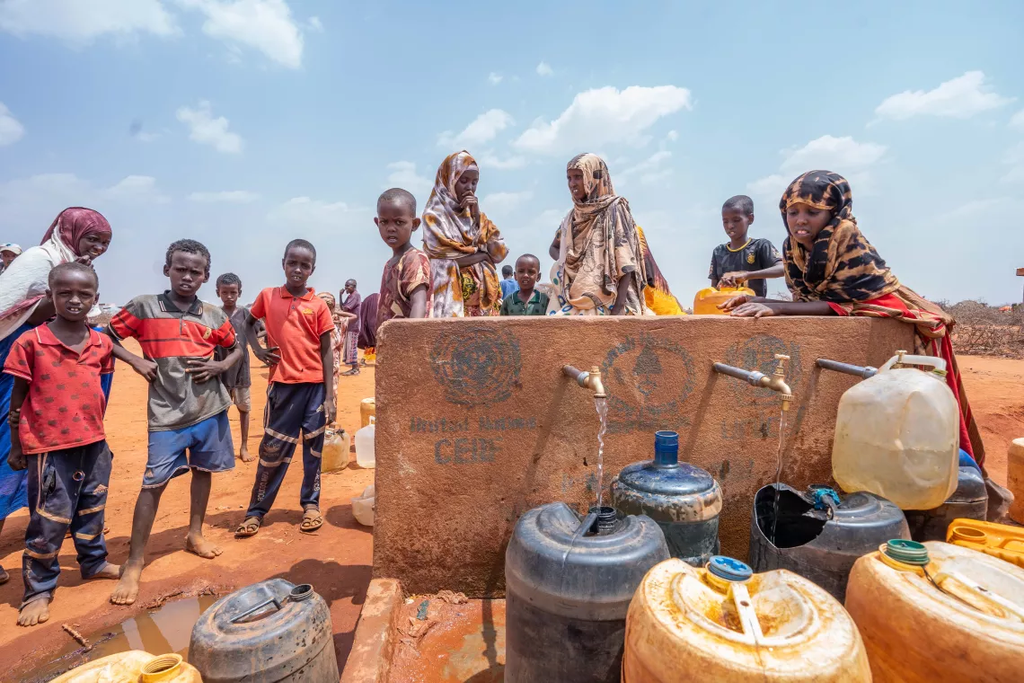
This daily trip is exhausting and dangerous for them and it keeps many children out of school. When families use this unclean water for cooking drinking and washing their hands bacteria and parasites spread quickly inside the household. Clinics in small towns are filled with patients suffering from stomach infections because they have no other choice than to drink whatever water they can find.
Read Also: How much school water intake do students really need every day?
How the Somalia clean water crisis impacts public health in rural areas
Medical workers report that the Somalia clean water deficit is directly connected to high rates of child mortality in rural villages. Young babies and toddlers are the most vulnerable because their bodies cannot fight off severe dehydration caused by waterborne illnesses. Without proper health centers nearby many families lose their children to diseases that could easily be prevented with clean drinking water and simple hygiene tools like soap. The lack of sanitation facilities like toilets near water sources also causes human waste to mix with drinking water which makes the contamination cycle even worse for whole villages.
Severe droughts in recent years have pushed thousands of farmers and nomadic herders out of their traditional villages into overcrowded temporary camps near big cities like Mogadishu. In these crowded camps the Somalia clean water supply is extremely limited and people have to wait in long lines for hours just to get a small jug of water. These overcrowded conditions make disease outbreaks spread like wildfire across the camps. When hundreds of people share a single dirty water point an infection can pass from one family to another in just a few days leaving local aid workers overwhelmed with sick people.
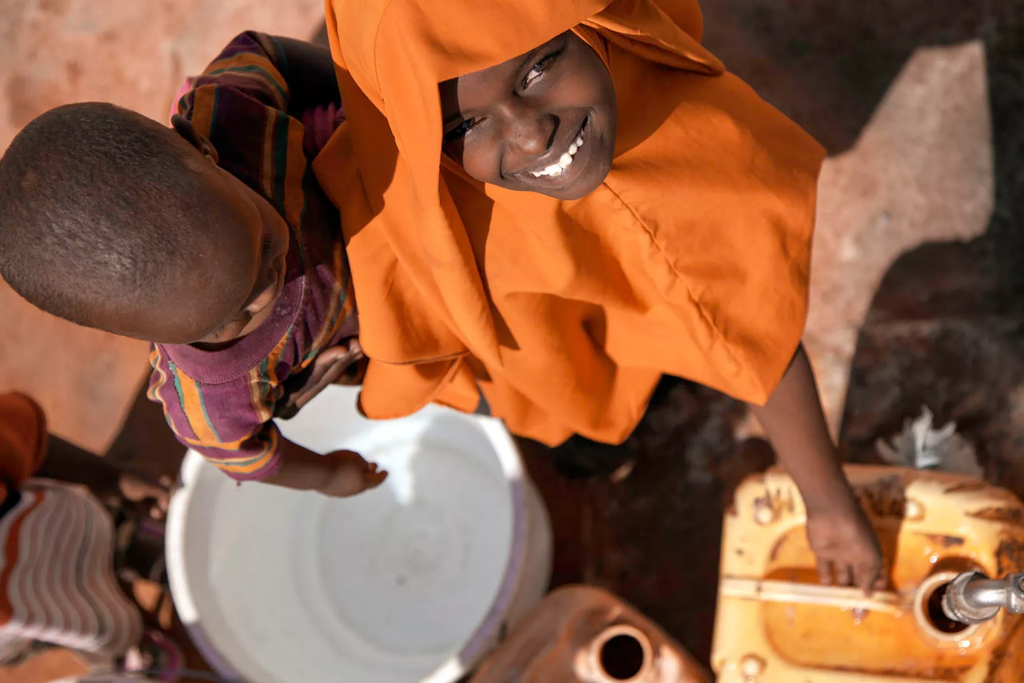
The economic impact of the Somalia clean water emergency is another heavy burden on poor families who are already struggling to buy food. When parents get sick from drinking dirty water they cannot go to work or farm their fields which means they lose their daily income. Families often have to spend the little money they have on buying expensive medicine or paying for water from private truck vendors who charge high prices during shortages. This constant cycle of illness and poverty keeps communities trapped without any chance to improve their lives or build better futures for their children.
Read Also: When Should High Blood Pressure Readings Cause Concern?
Fixing the Somalia clean water system requires building long lasting infrastructure like deep boreholes water treatment plants and protected wells that can withstand severe weather changes. Many old water systems were damaged during years of conflict and need major repairs to function again properly. Local communities also need education on proper water storage techniques so that clean water does not get contaminated inside the home after it is collected. Simple practices like covering water containers and boiling water before drinking can save many lives when access to clean sources is limited.
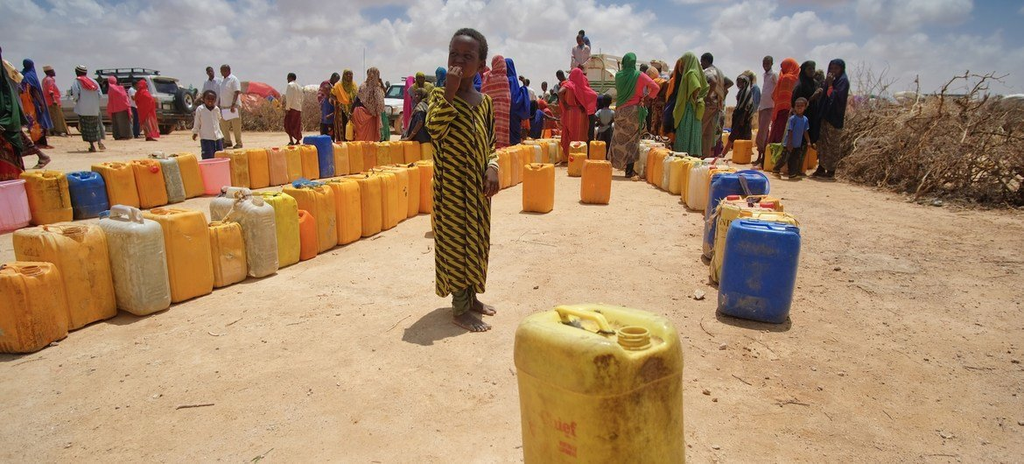
International aid organizations are working alongside local leaders to install solar powered water pumps in remote areas to bring up clean underground water. Solar pumps are very useful because they do not rely on expensive fuel that local communities cannot afford to buy regularly. However more funding and better planning are needed to reach every family living in distant regions where water is still scarce. Providing safe drinking water to every citizen is the single most important step to improving public health and stopping preventable diseases across the entire country.