

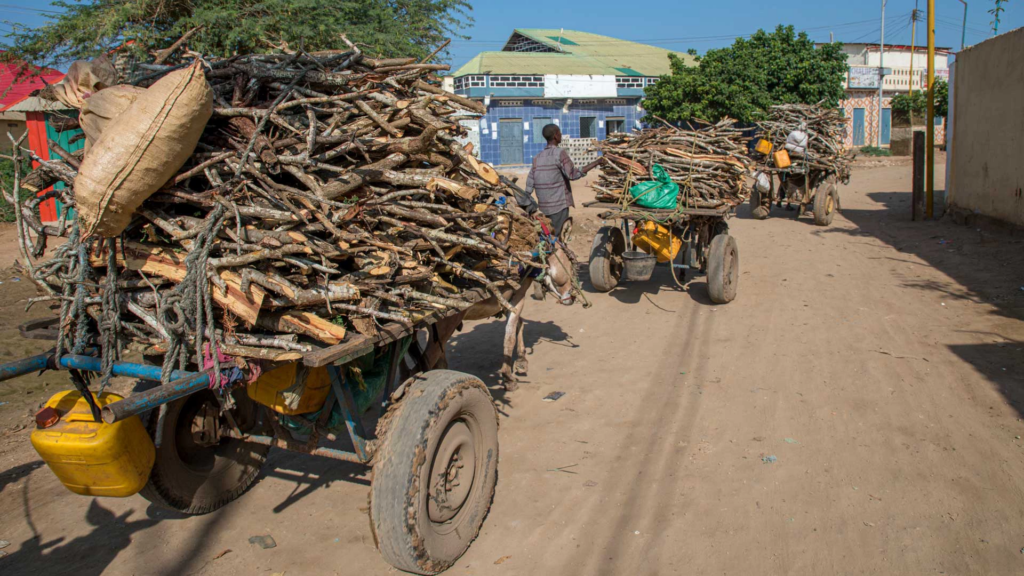
Somalia reforestation efforts are becoming more important than ever as local communities deal with dry weather and loss of green trees across the country. Over the last few decades huge areas of forest disappeared because people cut down trees to make charcoal for cooking or to sell for money. Without trees to shield the soil fierce winds and heavy rain wash away the rich top layer of earth leaving behind barren ground where crops struggle to grow. People living in rural villages are now realizing that bringing back native plants is the only way to safeguard their farms and livestock for coming generations.
Read Also: Why is the Palestinian bookstore project making history?
Somalia reforestation efforts bringing back native trees
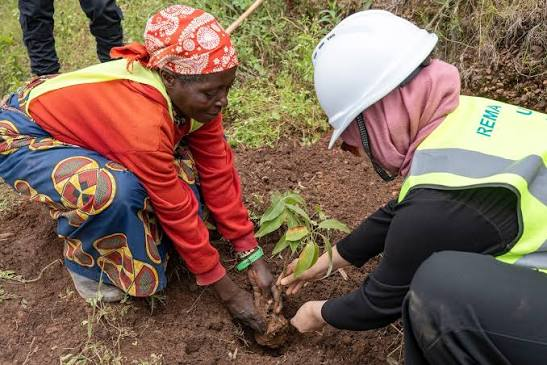
Somalia reforestation efforts are becoming a top priority as local communities unite to restore damaged land across the Horn of Africa. Local groups are leading Somalia reforestation efforts by planting thousands of native saplings that can survive harsh dry seasons with very little water. Trees like acacia and frankincense are great choices because they naturally belong to the local ecosystem and hold the soil together with deep roots.
When volunteers plant these young saplings they also build small dirt barriers to catch rainwater so the soil stays moist longer. Seeing these fresh green shoots grow gives hope to farmers who suffered through long dry spells without grass for their animals. Expanding Somalia reforestation efforts ensures that future generations will inherit healthy soil stable grazing lands and a much greener environment.
Many local organizations are working directly with school kids and youth clubs to teach them how to care for young trees. Children learn to water saplings protect them from hungry goats and plant new seeds during rainy weeks. When young people take part in Somalia reforestation efforts they learn to value the environment and pass down good habits to their friends. Schools often set up small tree nurseries right in their yards so students can watch seeds turn into strong plants before moving them out to open fields.
Read Also: What is Somali Women Poetry?
Somalia Reforestation Efforts: Fighting charcoal trade and protecting wild forests
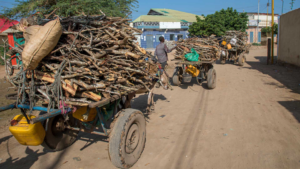
Cutting down wild forests to turn hard wood into charcoal has destroyed massive parts of the countryside over many years. To fix this problem community leaders are pushing for cleaner cooking alternatives like gas stoves or solar cookers so people do not rely solely on wood fuel. When families switch away from charcoal the pressure on local forests drops significantly allowing natural woodland to grow back on its own. Protecting existing trees is just as important as planting new ones if the land is going to recover properly.
In coastal areas people are also focusing on planting mangroves along the ocean shore to protect fish habitats and stop erosion. Mangroves act as natural shields against high waves and provide safe places for small sea creatures to grow. Fishermen notice that when coastal trees thrive the fish population improves creating more food and income for families living nearby. This proves that land projects help both farmers inland and coastal communities at the same time.
Somalia Reforestation Efforts: How green land supports animals and farms
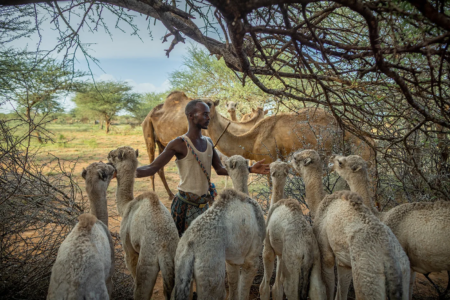
Bringing back lush greenery creates better grazing land for camels sheep and goats which are essential for survival across the region. When trees cover the earth grass grows much better underneath the shade keeping soil cool during hot afternoons. Herders do not have to walk their animals as far to find pasture when local forests recover. Stronger herds mean more milk and meat for families which improves health and stability for entire villages.
International organizations are also stepping in to supply seeds tools and technical advice to help expand these local green projects. Experts share easy methods for collecting rainwater and keeping soil healthy without using expensive chemicals.
Read Also: Famous Somali food: Which 5 dishes should you try first?
This extra support allows rural communities to scale up their planting work and cover larger areas of degraded land faster than before.