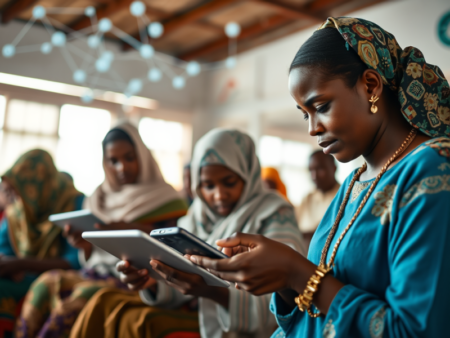



Somali Cultural Joy is something you can feel in the air as soon as the sun rises over the white buildings of Mogadishu or the green hills of the north. In 2026 people are coming together more than ever to celebrate who they are and where they come from after many years of hard times. Whether it is a big religious holiday or a small neighborhood wedding you can see the pride in the way people dress and the way they share their food with everyone who passes by.
This Somali Cultural Joy is built on the idea that no one should be left out and that every happy moment is a gift that must be shared with the community. From the smell of incense in the homes to the sound of traditional drums in the streets the country comes alive with a spirit that is impossible to ignore.
The biggest events that bring everyone together are definitely the two Eids which are the most important religious holidays for every family. During Eid al-Fitr and Eid al-Adha the Somali Cultural Joy reaches its peak as children put on their brand new clothes and go from house to house to collect sweets and small gifts of money. Families spend days preparing special dishes like “Xalwo” which is a sweet jelly-like treat and big plates of rice with goat meat.
It is a time for forgiveness and for visiting relatives you haven’t seen in a long time to make sure the family bonds stay strong. Even the poorest people are given meat and rice because the religion teaches that everyone must be happy on these blessed days.
The Deep Roots of Somali Cultural Joy in Traditional Weddings
Traditional weddings are another huge part of the local life where the Somali Cultural Joy lasts for several days and involves hundreds of guests. Unlike in Western countries a Somali wedding is not just about two people but it is about two families and sometimes two clans coming together.
You will see the women wearing beautiful colorful dresses called “Dirac” and the men looking sharp in their traditional wraps or suits. The music is loud and the dancing called “Dhaanto” goes on late into the night as the young and old move together in a circle. This Somali Cultural Joy shows the strength of the community and how much people value the start of a new family as a victory for everyone.
National Pride and the Spirit of Somali Cultural Joy
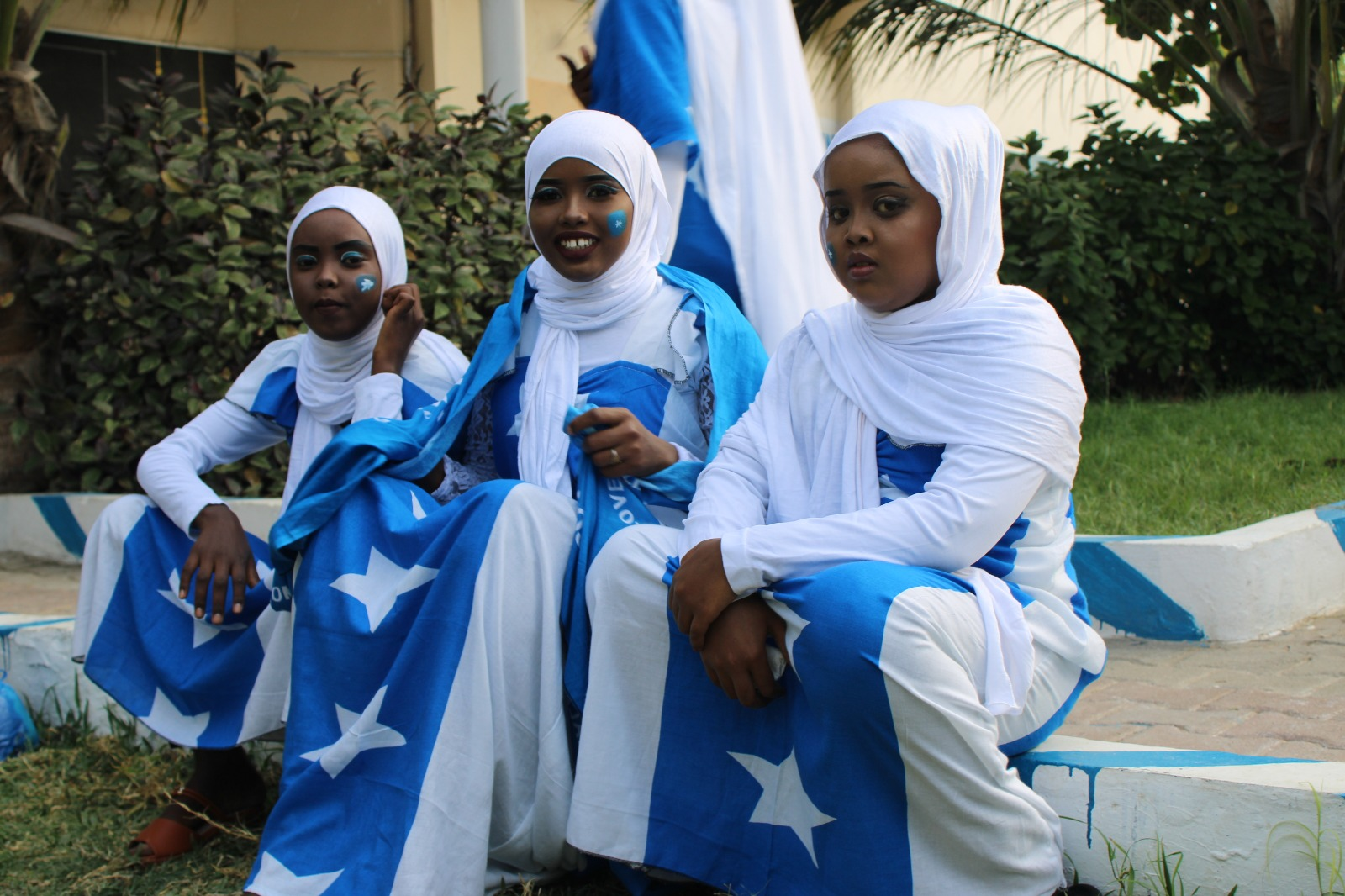
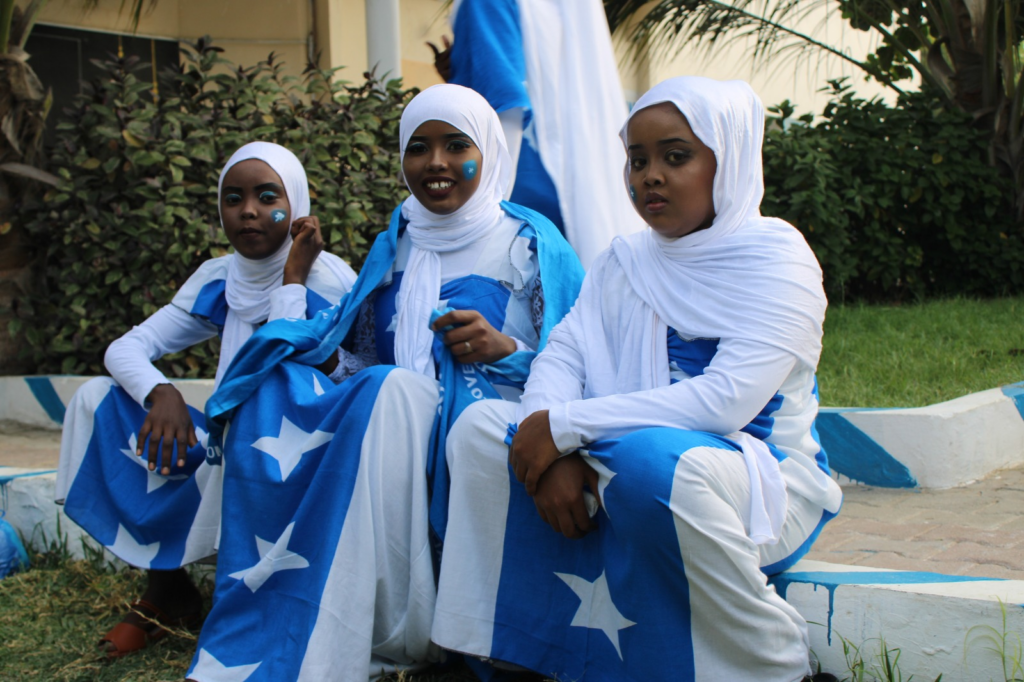
When it comes to the national days like the Independence Day on the first of July the Somali Cultural Joy takes on a more patriotic feeling. You see the blue flag with the white star hanging from every window and painted on the faces of students in the capital. There are parades with the army and police and the leaders give speeches about how far the country has come since the old colonial days.
This part of Somali Cultural Joy is about looking forward to the future while honoring the heroes who fought for the land many years ago. It is a day when everyone feels like they are part of one big nation regardless of where they live or what they do for a living.
Food and Music as the Heart of Somali Cultural Joy
You cannot talk about these celebrations without mentioning the amazing food that fuels the Somali Cultural Joy from morning until night. There is always a lot of tea with spices like cardamom and ginger and the famous “Sabaayad” bread that is perfect for dipping into stews. Music also plays a huge role because Somalis are known as a nation of poets and singers who love to tell stories through their lyrics.
During the festivals you will hear old songs that were written fifty years ago being sung by teenagers who know every word by heart. This Somali Cultural Joy is how the culture stays alive and gets passed down from the grandparents to the grandkids so it is never forgotten.
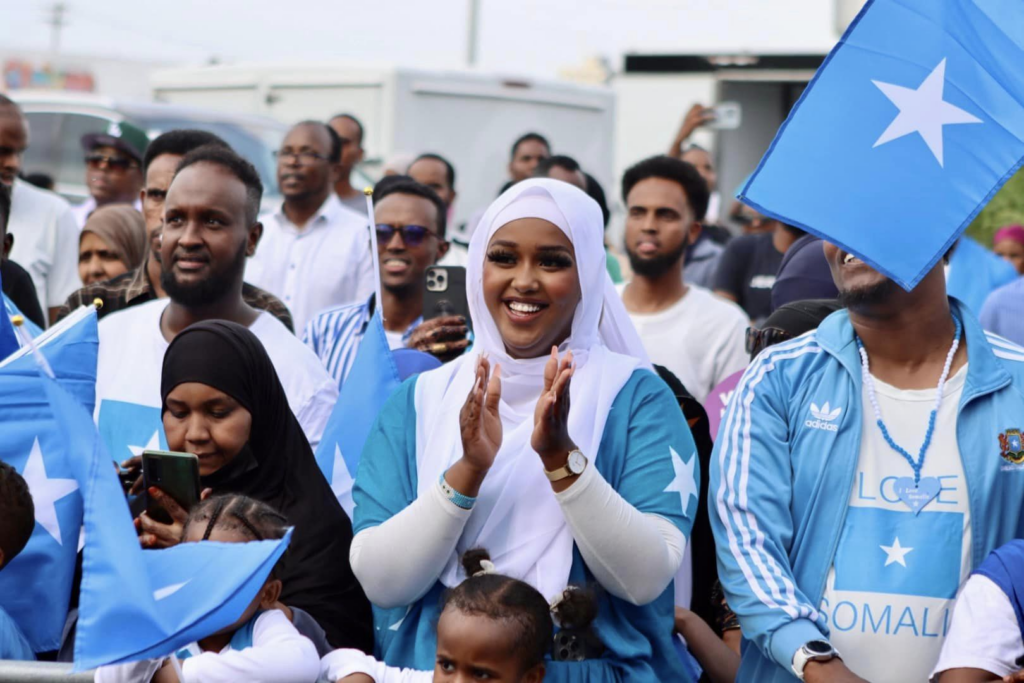
In conclusion the festivals of Somalia are the glue that holds the society together through thick and thin. The Somali Cultural Joy is a reminder that even when things are difficult there is always a reason to smile and be thankful for your family and your faith.
As we move through 2026 these traditions are becoming even more important as the country opens up to the world and shows its true beautiful face to everyone. If you ever have the chance to visit during a wedding or an Eid you will see for yourself that the hospitality of the people is the real secret behind the Somali Cultural Joy that lights up the Horn of Africa.
Read Also: How Can Sufi Arabic Education Restore the Cultural Identity of Modern Somalia?
The morning has come and the celebrations are just beginning for a nation that has a lot to be proud of. Let’s keep these traditions strong and keep the Somali Cultural Joy burning bright for the next generation to enjoy. It is a story of resilience and love that will continue to grow as the years go by.