


Close Menu
    Follow us
    • Facebook
    • Twitter
    What's Hot
    Somali Eid joy: Traditional celebrations in Mogadishu

    Somali Eid joy: Traditional celebrations in Mogadishu

    Musk Twitter mess: Why it still dominates talk

    Musk Twitter mess: Why it still dominates talk

    Qatar Iran airspace clash: Why it’s a big problem

    Qatar Iran airspace clash: Why it’s a big problem

    Facebook X (Twitter) Instagram
    Sunday, March 22
    Facebook X (Twitter) Instagram TikTok Threads YouTube
    Somali probeSomali probe
    • Local News
    • Business & Technology
    • Politics
    • Education
    • Health
    • Culture
    Somali probeSomali probe
    Home»Culture»The Influence of Somali Traditional Justice Systems in Modern Governance
    Culture

    The Influence of Somali Traditional Justice Systems in Modern Governance

    January 30, 2025
    Share Facebook Twitter Pinterest Telegram LinkedIn Tumblr Email Copy Link
    Share
    Facebook Twitter LinkedIn Pinterest Reddit Telegram WhatsApp Email Copy Link

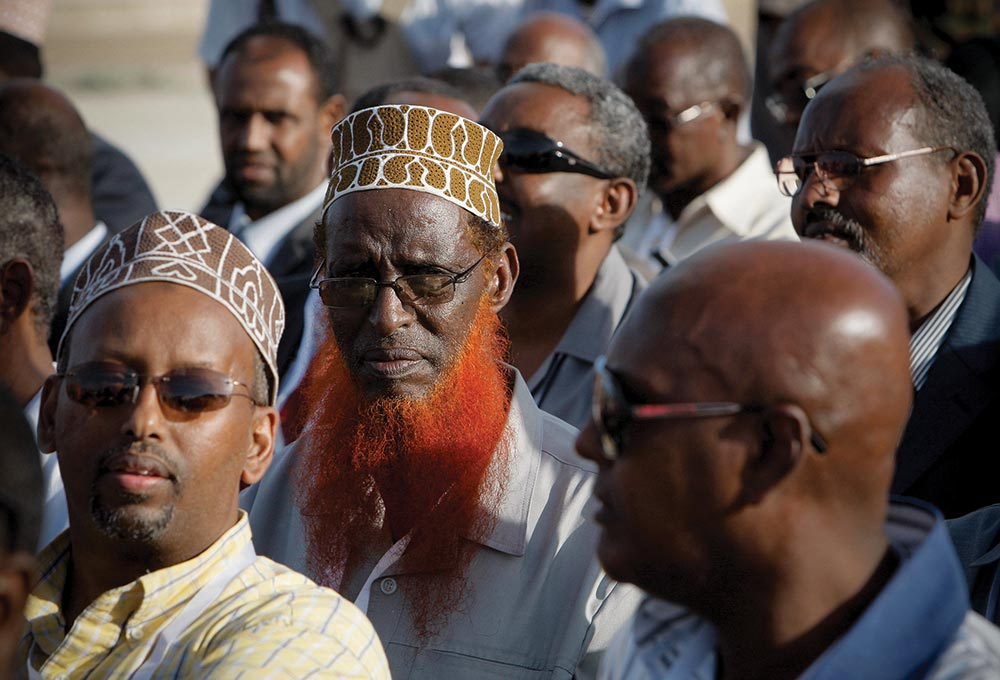
    Somalia is a backward country; people here still do not compromise on their traditions and the ways of their elders. Even in the era of modern governance, Somali people depend on the traditional justice system and understand it better. A large population here consists of tribes, lives as tribes, and is identified only because of tribes. Each tribe has a chief who makes the decisions of his tribe under the traditional justice system.

    Even today, seventy percent of the people here trust the traditional justice system. A traditional justice system in Somalia is known as Xeer, and a large community relies on it. Government officers also must implement the decisions of the Jirga. Even in today’s age of modern development, the people of Somalia only believe in their traditional method of justice.

    The Role of Xeer in Modern Somali Governance

    An example of customary law in Somalia is the Xeer which is practiced in many regions here. Most of the people living in rural areas and people living in the form of tribes give importance to this law. This law plays a central role in the field of justice where state institutions fail due to political instability.

    The chiefs in every region and tribe and in the villages are decision makers and people respect their decisions. Seventy percent of the people here still respect and accept this traditional law.

    Impact of Traditional Justice Systems on Legal Reform

    People in Somalia believe more in their traditional law Xeer than the official law based on legal reforms, which is why the government of Somalia has included Xeer in the legal reforms under the new reforms.

    People prefer to seek justice under the same customary law instead of going to distant courts because access to customary law is easy and quick. This is the reason why forty-five percent of the people of Somalia believe in traditional justice instead of civil justice courts. This customary law has greatly influenced the drafting of new laws.

    Challenges and Integration of Customary Law with State Courts

    Due to the belief of the people of Somalia in the traditional courts instead of the political courts, the Somali government has also attached the traditional courts to the state courts. While the benefits of this thing have been seen for the Somali people, its challenges have also come to the fore.

    The procedures of both courts are different from each other. The procedure of justice courts is a bit long while the traditional method of justice is faster. Now more than 40 percent of people believe in the Xeer sand method law, which makes the state courts distrustful, which is why the method is being phased out.

    Finally, because Somalis have full faith in the Xeer system of traditional justice, this has led to distrust of state courts. In most rural areas, only the traditional law system is applicable, but it is necessary to start a hybrid system by which the people are satisfied with both traditional and state courts. Somalia is facing many challenges due to such separate legal systems.

    Share. Facebook Twitter LinkedIn Reddit WhatsApp Telegram Email Copy Link
    Previous ArticleHumanitarian Crisis in Somalia: Causes, Effects, and International Response
    Next Article Somalia’s Path to Political Stability: Challenges and Progress

    Related Posts

    Somali Eid joy: Traditional celebrations in Mogadishu
    Culture

    Somali Eid joy: Traditional celebrations in Mogadishu

    March 21, 2026
    Somali tongue power: Why our language keeps us Somali
    Culture

    Somali tongue power: Why our language keeps us Somali

    March 20, 2026
    Somali craft art: Why handmade traditions still matter
    Culture

    Somali craft art: Why handmade traditions still matter

    March 19, 2026
    Latest Posts
    Somali Eid joy: Traditional celebrations in Mogadishu

    Somali Eid joy: Traditional celebrations in Mogadishu

    Musk Twitter mess: Why it still dominates talk

    Musk Twitter mess: Why it still dominates talk

    Qatar Iran airspace clash: Why it’s a big problem

    Qatar Iran airspace clash: Why it’s a big problem

    Somali tongue power: Why our language keeps us Somali

    Somali tongue power: Why our language keeps us Somali

    You May Also Like
    Somali Eid joy: Traditional celebrations in Mogadishu

    Somali Eid joy: Traditional celebrations in Mogadishu

    March 21, 2026

    Somali Eid joy is the main thing you feel when you walk through the streets…

    Somali tongue power: Why our language keeps us Somali

    Somali tongue power: Why our language keeps us Somali

    March 20, 2026

    Somali tongue power is the most important thing we have as a people because without…

    Somali craft art: Why handmade traditions still matter

    Somali craft art: Why handmade traditions still matter

    March 19, 2026

    Somali craft art is the heart of our culture because it shows how our people…

    Somali cultural unity and the power of shared identity

    Somali cultural unity and the power of shared identity

    March 17, 2026

    Somali cultural unity is the strongest bond that keeps people together even when they face…

    Somali Soul Parts: Why Our Roots Stay Strong

    Somali Soul Parts: Why Our Roots Stay Strong

    March 15, 2026

    Somali soul parts are the things that make us who we are as a people…

    Facebook X (Twitter) Instagram Threads TikTok

    News

    • Local News
    • Business & Economy
    • Politics
    • Education
    • Health
    • Culture

    Editor's choice

    Culture

    Somali Eid joy: Traditional celebrations in Mogadishu

    March 21, 2026
    Local News

    Musk Twitter mess: Why it still dominates talk

    March 21, 2026
    © 2026 Somali Probe
    • Privacy Policy
    • Terms & Conditions
    • Contact us

    Type above and press Enter to search. Press Esc to cancel.