

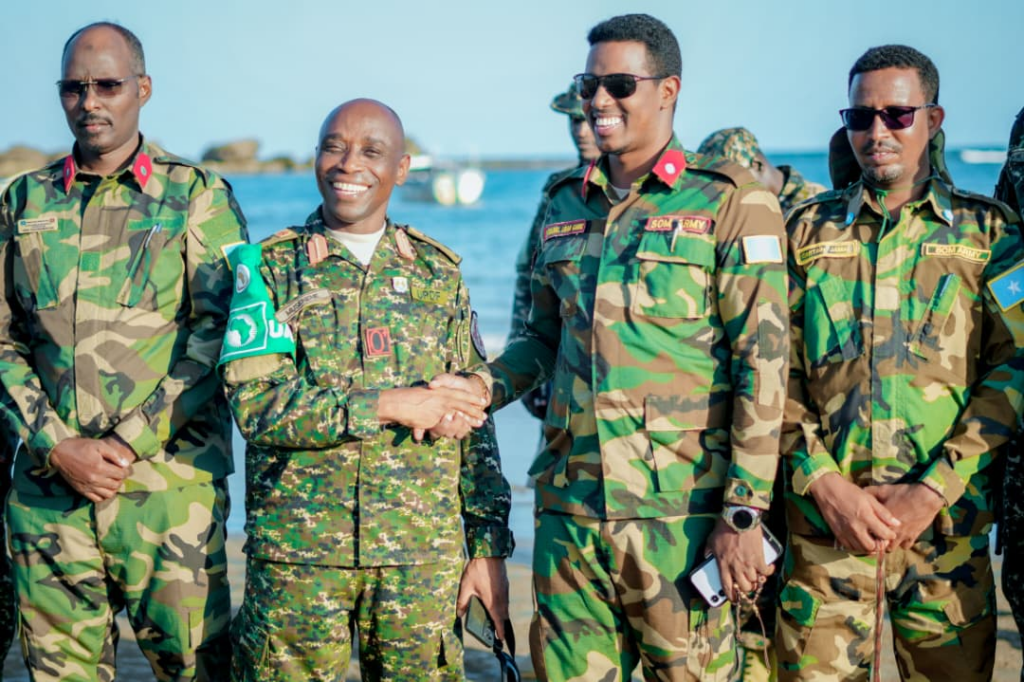
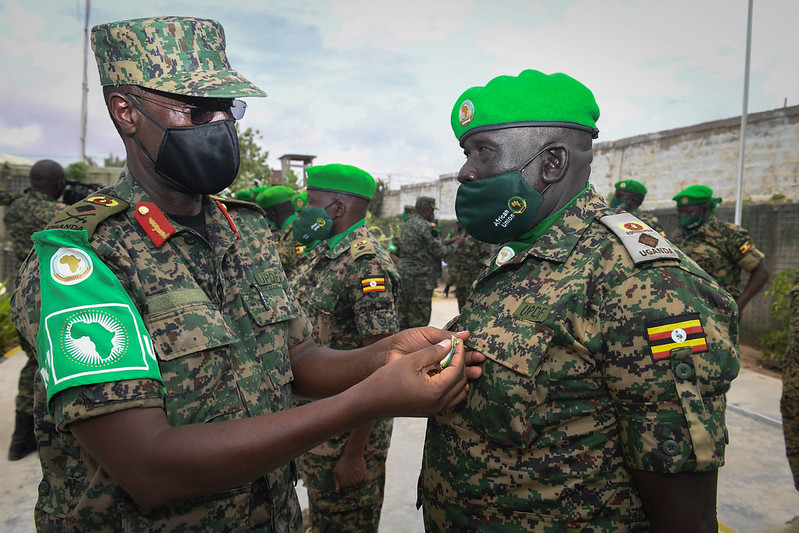
Uganda sends new soldiers to join the african union mission in somalia as part of their ongoing effort to bring stability to the country. The government in kampala announced this deployment right after the military units finished their heavy training program. These fresh soldiers learned about civil protection community relations and advanced peacekeeping operations before leaving their home base. The main goal of this mission is to assist local authorities in securing dangerous areas and keeping innocent civilians safe from violent attacks.
Read Also: Regional Shifts and Saudi Actions Reshape Somalia and Horn Stability
High expectations and discipline for the peacekeeping units
Before the deployment the commander of the ugandan first infantry division general fred mweisigye spoke directly to the soldiers about their responsibilities. He told them that they must show excellent discipline teamwork and professionalism during their entire stay in somalia.
The commander explained that these troops will play a major role in fighting against al shabaab terrorists who are always trying to destroy the local government. The new units will be sent directly to the lower and middle shabelle regions which are known to be very active conflict zones right now. The general also praised the older soldiers who previously fought in operation silent storm in the lower shabelle area for their bravery.
Read Also: Hiran military operation: Did security improve Somalia now?
Uganda sends new battalions despite heavy international funding cuts
Uganda remains the largest contributor of military personnel to the african union transition mission in somalia which makes their choices very critical for east africa. This new movement of troops is happening at a time when the whole international peacekeeping project is facing massive financial problems.
- Major international donors have recently reduced their financial support for the african union mission
- Local forces still require a lot of hands on training and equipment to stand on their own feet
- Al shabaab is trying to take advantage of these financial gaps to launch more attacks on towns
Uganda sends new waves of military support anyway because they know that leaving a power vacuum in somalia would ruin regional safety. They are committed to rotating their forces regularly so the front lines always stay strong against the rebels.
The critical role of training local somali forces
Uganda sends new experts who do not just participate in active combat but also spend a lot of time teaching the somali national army how to defend its own territory. This training work is the most important part of the long term exit strategy for the african union.
If the local somali soldiers can learn how to manage heavy artillery plan complex patrols and handle intelligence correctly they will not need foreign armies to protect them in the future. However building a strong national army takes a lot of time and steady resources which are currently hard to find.
Why the shabelle regions are central to the war
Uganda sends new deployments to the shabelle regions because these areas are the main food baskets of the country and have major roads leading straight to the capital city of mogadishu. If al shabaab controls these specific roads they can easily choke the economy and launch car bombs into civilian markets.
Many local political analysts agree that Uganda sends new units just in time because the local government forces were starting to feel tired after months of continuous fighting. These same analysts note that Uganda sends new reinforcements to ensure that the progress made during previous military campaigns is not lost over the summer.
Read Also: Baidoa military clashes: Will unrest spread across region?
Ultimately Uganda sends new hope to the communities living in these liberated zones who are terrified of the terrorists coming back. Uganda sends new messages of solidarity to the rest of Africa by proving they will not abandon their neighbors during an economic crisis. The coming months will show if these fresh forces can successfully change the tide of the war.