



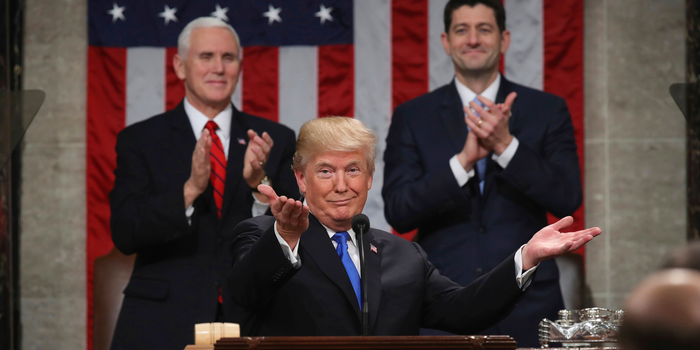
Union address history goes all the way back to the very beginning of the United States because the writers of the Constitution wanted to make sure the President and the Congress stayed in close contact. In Article II of the Constitution it says the President must “from time to time” give information to the Congress about how the country is doing and suggest new laws that he thinks are needed for the people. This union address background started with George Washington in 1790 when he went in person to New York City to speak to the leaders of the new nation about the army and the economy. But for a long time after that the union address background was actually very quiet because Thomas Jefferson thought that giving a big speech in person was too much like a king talking to his subjects. For over a hundred years most presidents just sent a long letter to be read out loud by a clerk while they stayed at the White House. It wasn’t until 1913 that Woodrow Wilson decided to bring back the live speech and turn it into the major political event that we see on our television screens every single year.
Read Also: White House denial of reports on deploying immigration agents at polling sites stirs Washington.
Changing names in union address history
One of the most interesting parts of union address background is that the speech was not even called by its famous name for a very long time. For over 150 years people simply called it the “Annual Message” because it was a yearly report on the business of the government and the state of the budget. The union address background changed forever during the time of Franklin D. Roosevelt who started using the phrase “State of the Union” in his speeches during the 1930s. By 1947 the government officially changed the name to the State of the Union Address and it became a way for the president to talk directly to the whole country instead of just the politicians in the room. This shift in union address history shows how the role of the president grew from being just an administrator to being a leader who shapes the goals and the dreams of the entire American public.
Read Also: China tariff removal what does it mean for African trade?
Technology and the union address history
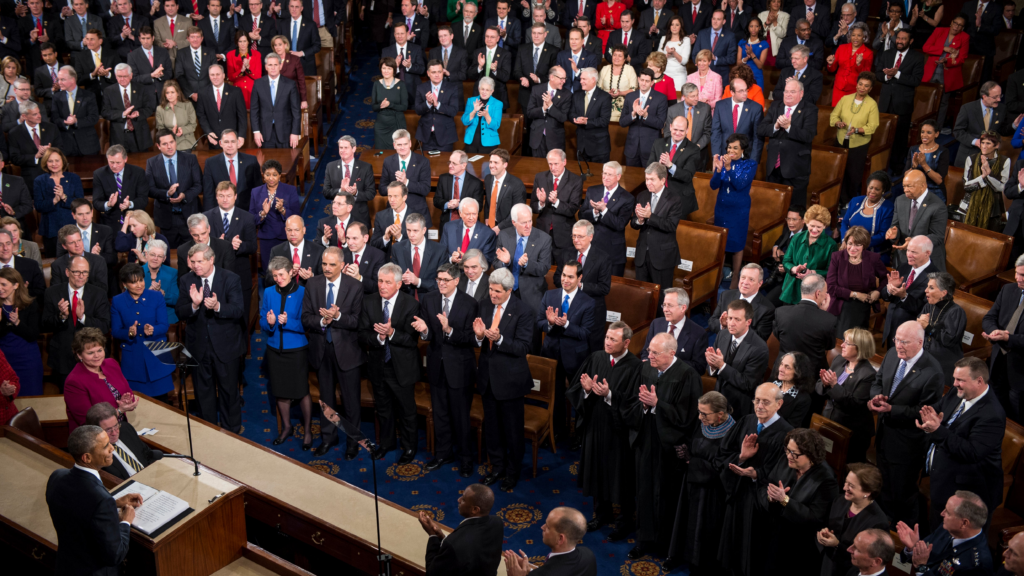
The way people watch the speech has also played a massive part in the union address background and how it has evolved over the last century. In 1923 Calvin Coolidge was the first president to have his words sent out over the radio so that families in their living rooms could hear him speak live for the first time. Later in 1947 Harry Truman made union address history by allowing the cameras in for the first televised broadcast which changed how presidents had to look and act on stage. Now in the modern era the union address history continues with live webcasts and social media allowing anyone in the world to watch the event on their phone. This constant change in how the message is delivered has kept the tradition alive and made it a permanent part of how the American government works every winter.
Important moments in union address history
Throughout the years there have been many times when the speech was used to announce huge changes or deal with major national crises that changed the country’s path. During the union address history Abraham Lincoln used his messages to talk about the Civil War and the end of slavery while later presidents used the time to talk about the Cold War or the war on terror. Each of these speeches is a snapshot of what the country was worried about at that specific moment in time and how the president planned to fix the problems. Even when the state of the union was not very good like during the Great Depression or the Watergate scandal the union address history provided a way for the nation to come together and listen to the plan for the future. It is a unique American ritual that reminds everyone that the government belongs to the people and that the leaders must answer to the citizens every year.
Read Also: China submarine surge: is the US navy losing its undersea edge?
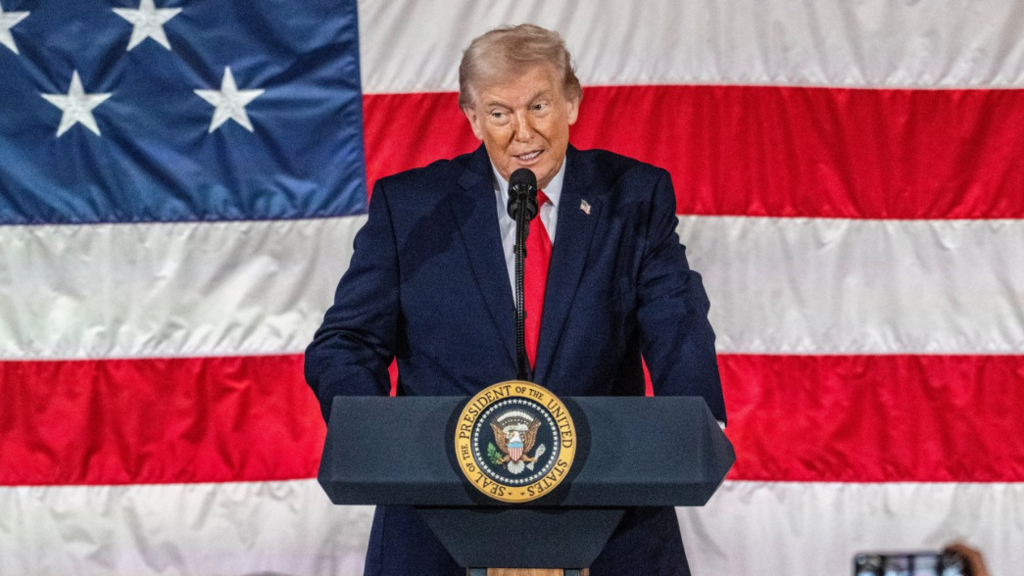
The union address history is a story of how a simple constitutional rule turned into a grand ceremony full of tradition and politics. It is a time when the three branches of the government—the President the Congress and the Supreme Court—all sit in the same room to talk about the health of the republic. Even though the technology and the names have changed over the last two hundred years the heart of the union address history remains the same as it was in Washington’s time. It is about transparency and keeping the promise to inform the people about where the country is going and how it plans to get there safely.