
Close Menu
    Follow us
    • Facebook
    • Twitter
    What's Hot
    Exclude French Referees From 2026 World Cup Matches?

    Exclude French Referees From 2026 World Cup Matches?

    Why must we update Somali school books now?

    Why must we update Somali school books now?

    How does our body beat extreme heat in summer?

    How does our body beat extreme heat in summer?

    Facebook X (Twitter) Instagram
    Tuesday, July 14
    Facebook X (Twitter) Instagram TikTok Threads YouTube
    Somali probeSomali probe
    • Local News
    • Business & Technology
    • Politics
    • Education
    • Health
    • Culture
    Somali probeSomali probe
    Home»Culture»Where Sacrificial Animals Are Slaughtered in Somalia During Eid al-Adha 2025
    Culture

    Where Sacrificial Animals Are Slaughtered in Somalia During Eid al-Adha 2025

    June 1, 2025
    Share Facebook Twitter Pinterest Telegram LinkedIn Tumblr Email Copy Link
    Where Sacrificial Animals Are Slaughtered in Somalia During Eid al-Adha 2025
    Share
    Facebook Twitter LinkedIn Pinterest Reddit Telegram WhatsApp Email Copy Link

    In Somalia, as in many Muslim-majority nations, slaughtering sacrificial animals during Eid al-Adha is a core Islamic ritual deeply rooted in faith and tradition.

    Performed right after the Eid prayer, this act symbolizes obedience to God and the spirit of generosity. Depending on resources and location, Somalis perform Qurbani (sacrifice) in various ways.

    Here’s a guide to the most common places where sacrificial animals are slaughtered across Somalia.
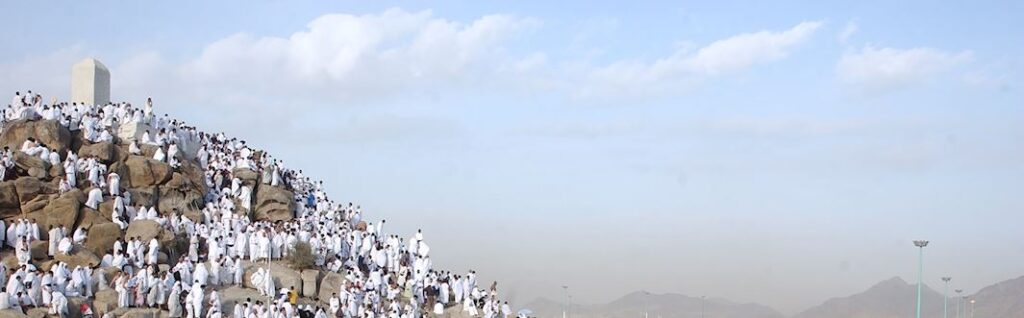
    Day of Arafah in Somalia: 5 Spiritual Deep Rooted Customs

    1. Private Homes and Courtyards

    Many Somali families who can afford to purchase their own sacrificial animals prefer to perform the slaughter at home or in nearby private yards.

    Often, the head of the household or a trusted butcher performs the slaughter, following Islamic rules for humane and halal practices.

    This method strengthens family ties and neighborhood connections.
    Especially as meat is shared with relatives, friends, and the needy.
    It is the most personal and traditional way to observe Eid in Somalia.

    2. Municipal Slaughterhouses and Abattoirs

    In urban areas such as Mogadishu, Hargeisa, and Bosaso, municipal slaughterhouses may be available and offer supervised services that meet religious and public health standards.

    These facilities ensure hygienic processing and proper handling of meat, which is important for those concerned with cleanliness and compliance.

    Municipal abattoirs are especially useful for large families or communities pooling resources to fulfill their Qurbani obligations.
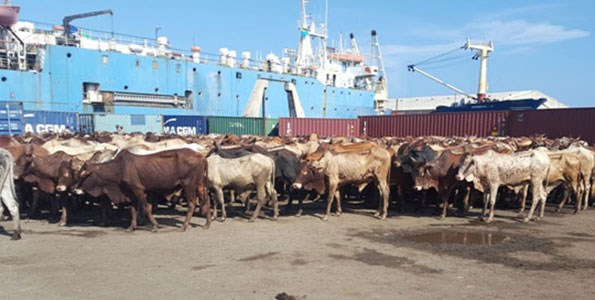
    Hard Economic Situation and Livestock Prices in Somalia May Rise in Eid al- Adha 2025

    3. Charity-Managed Sacrificial Animals Slaughtering Centers

    Local and international humanitarian organizations play a crucial role in supporting underprivileged communities during Eid al-Adha.

    These charities organize centralized slaughtering points, particularly in disadvantaged urban neighborhoods and rural villages, where donated livestock is sacrificed and meat is distributed to those in need.

    Well-known organizations operate in cities like Mogadishu, Kismayo, and Baidoa during Eid, ensuring wide-reaching meat distribution and religious compliance.

    Those organizations include Qatar Red Crescent, Emirates Red Crescent, Turkish Red Crescent, and Somali-based NGOs

    4. Livestock Markets and Nearby Slaughter Points

    Somalia’s bustling livestock markets—especially Bakara Market in Mogadishu—see a surge of activity during Eid al-Adha.

    While these markets are primarily for purchasing animals, temporary slaughtering zones are often set up nearby to provide immediate slaughter services by professional butchers.

    This option provides convenience for families who want to buy and sacrifice in the same location, particularly when time is tight on Eid morning.
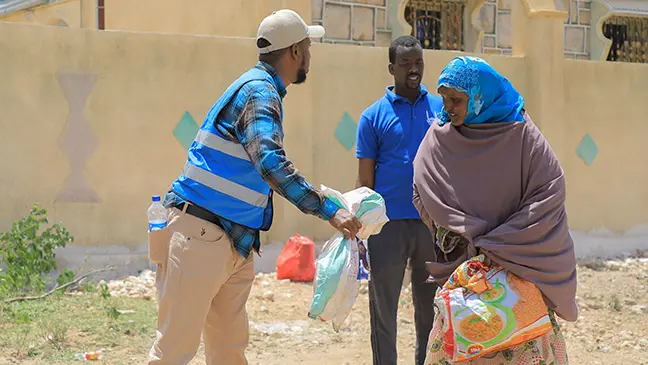
    Eid al-Adha 2025 is Coming and Somalia Crisis Continues

    5. Rural Areas and Pastoralist Communities

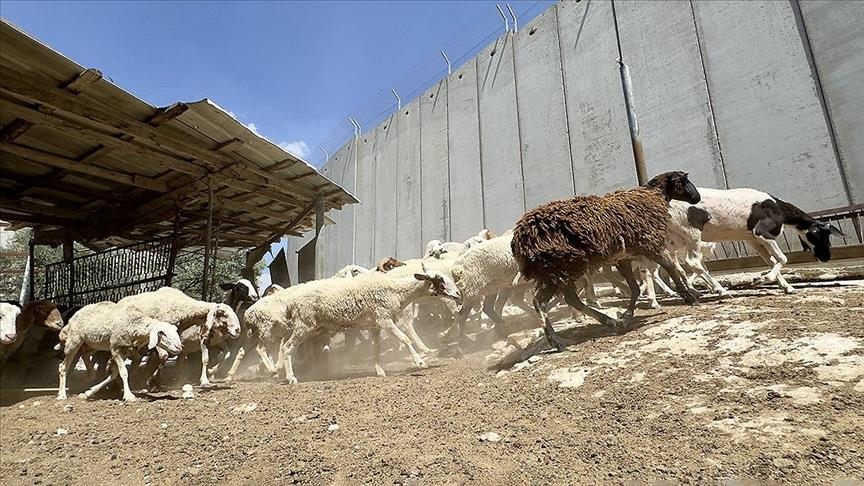
    In Somalia’s rural and nomadic regions, livestock farming is a way of life.

    Families typically slaughter animals on their farms or in open spaces near their homes, often in line with seasonal migration and traditional customs.

    The meat is shared generously with neighbors and the local poor, maintaining the community-focused spirit of Eid.

    Sacrificial Animals Slaughter: Challenges and the Role of Solidarity

    Livestock is abundant in Somalia but economic hardship, drought, and conflict have made it difficult for many families to afford sacrificial animals.

    This has amplified the importance of charitable Qurbani programs that provide not only meat but also a sense of dignity and inclusion during the holiday.

    Eid al-Adha in Somalia is not just about ritual—it’s about community, compassion, and shared blessings. From private homes to charity-run slaughter centers, every sacrifice contributes to a greater sense of unity and spiritual fulfillment across the nation.

    charitable Qurbani programs Eid al-Adha in Somalia Sacrificial Animals
    Share. Facebook Twitter LinkedIn Reddit WhatsApp Telegram Email Copy Link
    Previous ArticleKenya Removes the Republic of Somaliland from Official Diplomatic List 2025
    Next Article Eid al-Adha in Somalia 2025: Explore Deep Rooted Celebration Customs

    Related Posts

    Why Somali Camel Culture Defines Survival and Status
    Culture

    Why Somali Camel Culture Defines Survival and Status

    July 13, 2026
    Amazing Somali facts you should know about the country
    Culture

    Amazing Somali facts you should know about the country

    July 12, 2026
    What are the best movies of 2026 so far?
    Culture

    What are the best movies of 2026 so far?

    July 10, 2026
    Latest Posts
    Exclude French Referees From 2026 World Cup Matches?

    Exclude French Referees From 2026 World Cup Matches?

    Why must we update Somali school books now?

    Why must we update Somali school books now?

    How does our body beat extreme heat in summer?

    How does our body beat extreme heat in summer?

    Why did Puntland Darawish forces close the main highway?

    Why did Puntland Darawish forces close the main highway?

    You May Also Like
    Why Somali Camel Culture Defines Survival and Status

    Why Somali Camel Culture Defines Survival and Status

    July 13, 2026

    Somali camel culture is the most important part of history and life in the Horn…

    Amazing Somali facts you should know about the country

    Amazing Somali facts you should know about the country

    July 12, 2026

    Amazing Somali facts show us a country with a very long history and beautiful natural…

    What are the best movies of 2026 so far?

    What are the best movies of 2026 so far?

    July 10, 2026

    Best movies of 2026 so far have taken the cinema world by surprise during the…

    Ghada Wali's design journey and the big egyptian art scandal

    Ghada Wali’s design journey and the big egyptian art scandal

    July 9, 2026

    Ghada Wali’s design journey started with a lot of success and big dreams in Cairo…

    How Somali Football Unity Brings People Together

    How Somali Football Unity Brings People Together

    July 8, 2026

    Somali football unity has become a very powerful force for peace and harmony across East…

    Facebook X (Twitter) Instagram Threads TikTok

    News

    • Local News
    • Business & Economy
    • Politics
    • Education
    • Health
    • Culture

    Editor's choice

    Business & Technology

    Exclude French Referees From 2026 World Cup Matches?

    July 14, 2026
    Education

    Why must we update Somali school books now?

    July 14, 2026
    © 2026 Somali Probe
    • Privacy Policy
    • Terms & Conditions
    • Contact us

    Type above and press Enter to search. Press Esc to cancel.