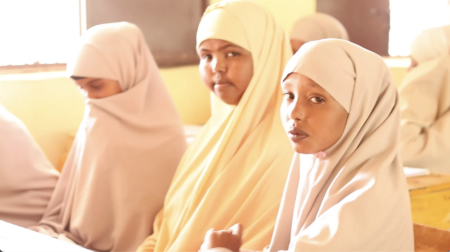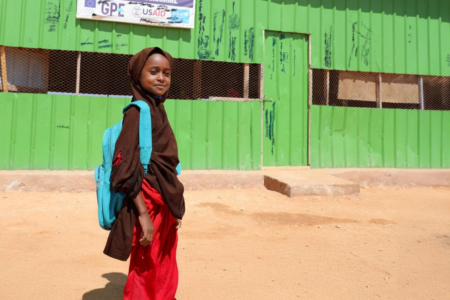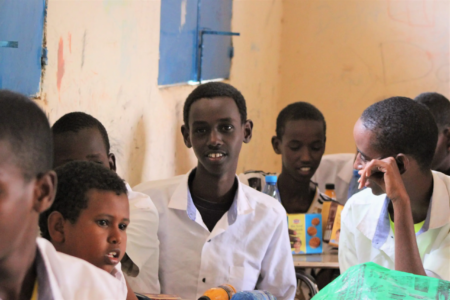


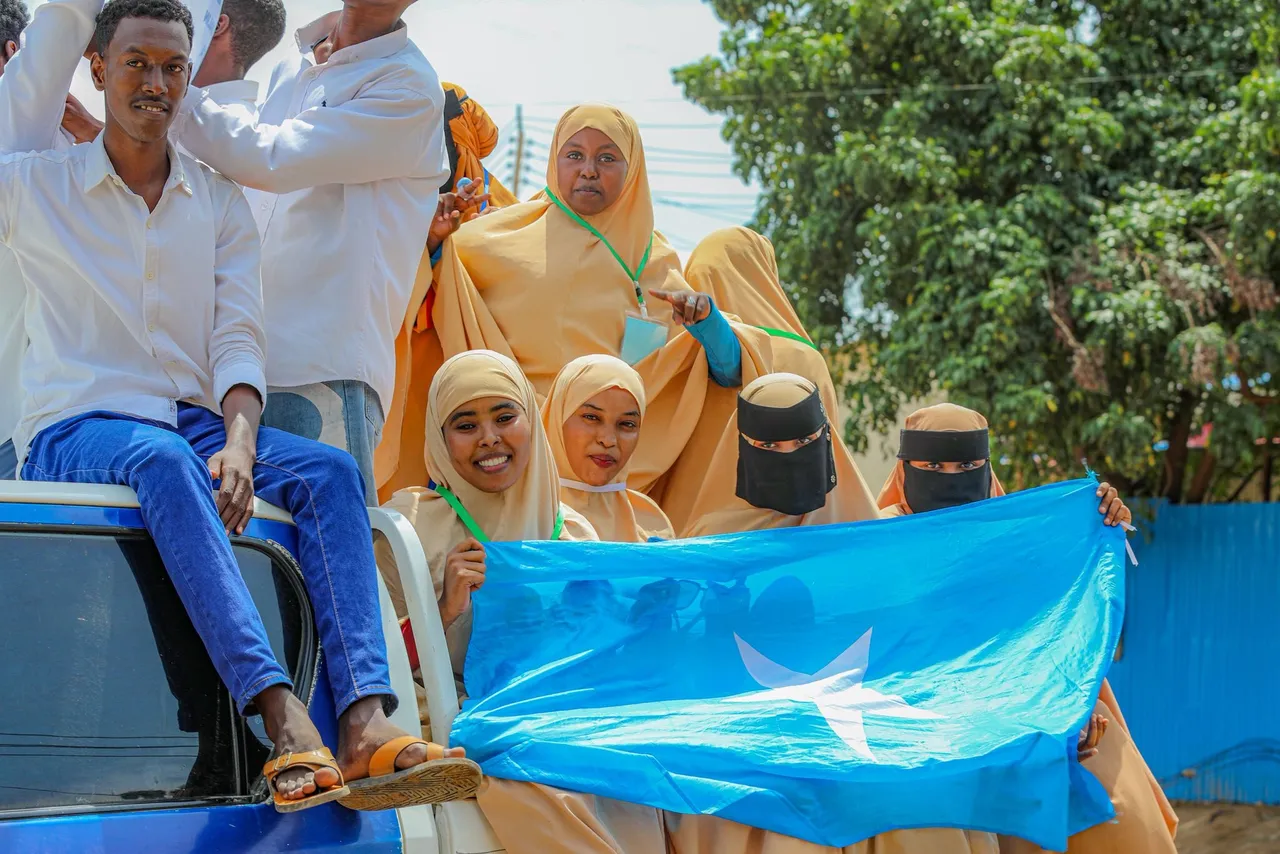
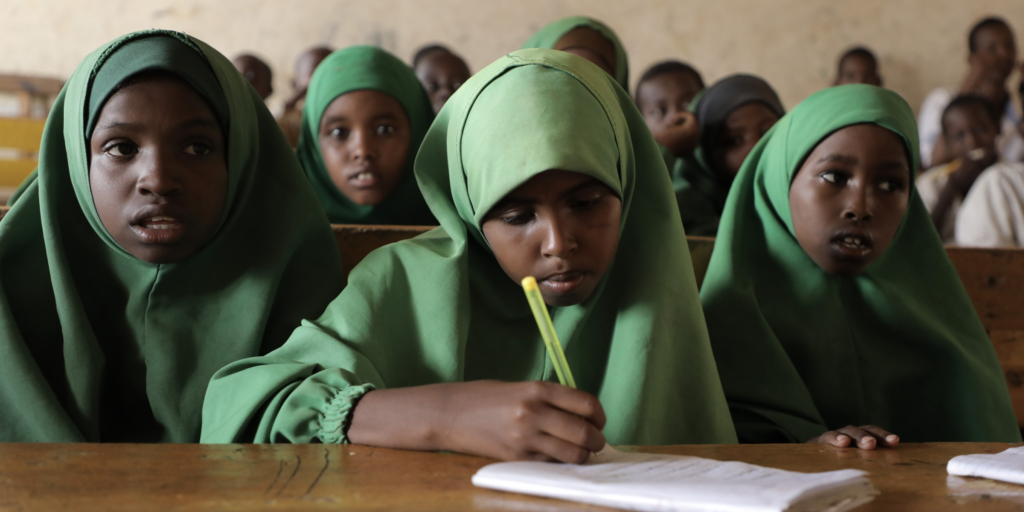
Somali Education System talks always start with the struggle of primary schools where thousands of children sit on the ground under trees just to learn their ABCs. In 2026 the situation in Somalia is very interesting because we have a huge gap between the kids in basic education and the students in higher learning.
Basic education which covers primary and secondary levels is mostly run by private groups or local communities because the government is still trying to build its own strong network of public schools. This Somali Education System problem means that if a father cannot pay the monthly fee his child might stay at home while other kids go to class. It is a very tough start for the young ones who are the future of the nation but they don’t always get the books or the desks they need to succeed in their early years.
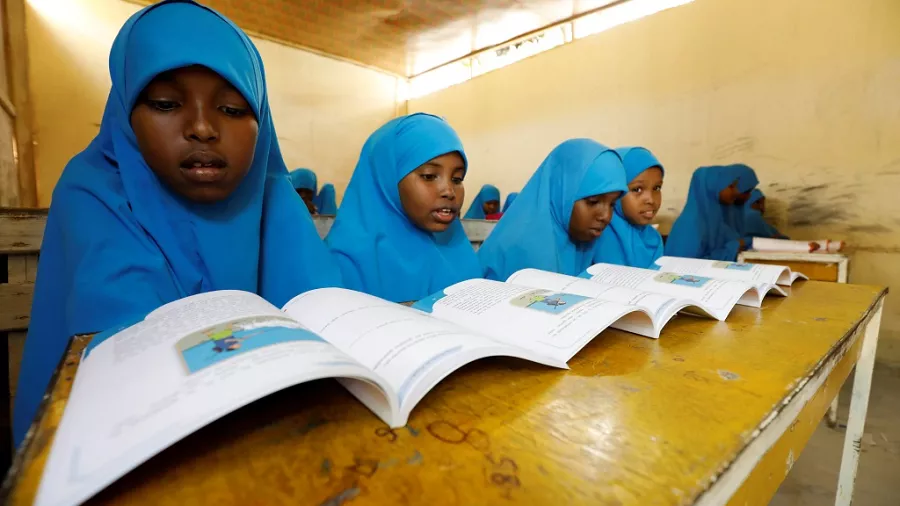
On the other side of the Somali Education System we see that universities in cities like Mogadishu and Garowe are growing very fast and looking quite modern. While primary schools struggle for pens and paper the universities are buying computers and trying to connect to the global internet to help their students. This creates a strange balance where the top of the Somali Education System looks much better than the bottom part where everything begins. If we don’t fix the foundation of the schools then the students arriving at the university will not be ready for the hard subjects they have to study like medicine or engineering.
Big Differences in the Somali Education System Stages
First the main issue in primary education is that many teachers do not have a proper degree and they are just people from the village who want to help. In the Somali Education System this leads to a low quality of learning for the youngest kids who need the best teachers to guide them. Second the secondary schools are often better equipped but they are very expensive and only located in the big towns which makes it hard for rural kids to finish their high school. Third the universities have a lot of competition which is good but they don’t always teach the skills that the Somali job market actually needs right now.
Fourth we see that the Somali Education System for higher learning is mostly male with fewer girls reaching the level of a degree compared to the primary level. Fifth the government has started a new national curriculum for schools but the universities still use many different systems from other countries like Sudan or Malaysia. Sixth and finally the lack of research in universities means that even the best students are just reading old books instead of solving the real problems of Somalia today. These six points show that while we are moving forward we are moving at different speeds in different areas of the Somali Education System and it is causing a lot of confusion for the students.
Opportunities for Fixing the Somali Education System Gap
If the government wants to improve the Somali Education System they must focus on training more teachers for the primary level so that every child has a professional person to lead them. We also need to build more vocational schools so that those who don’t want to go to university can learn how to be electricians or builders. This part of the Somali Education System is very important for the economy because not everyone needs to be a doctor or a lawyer to help the country grow. In 2026 more international groups are starting to help by building digital libraries that both schools and universities can use to save money on expensive books.
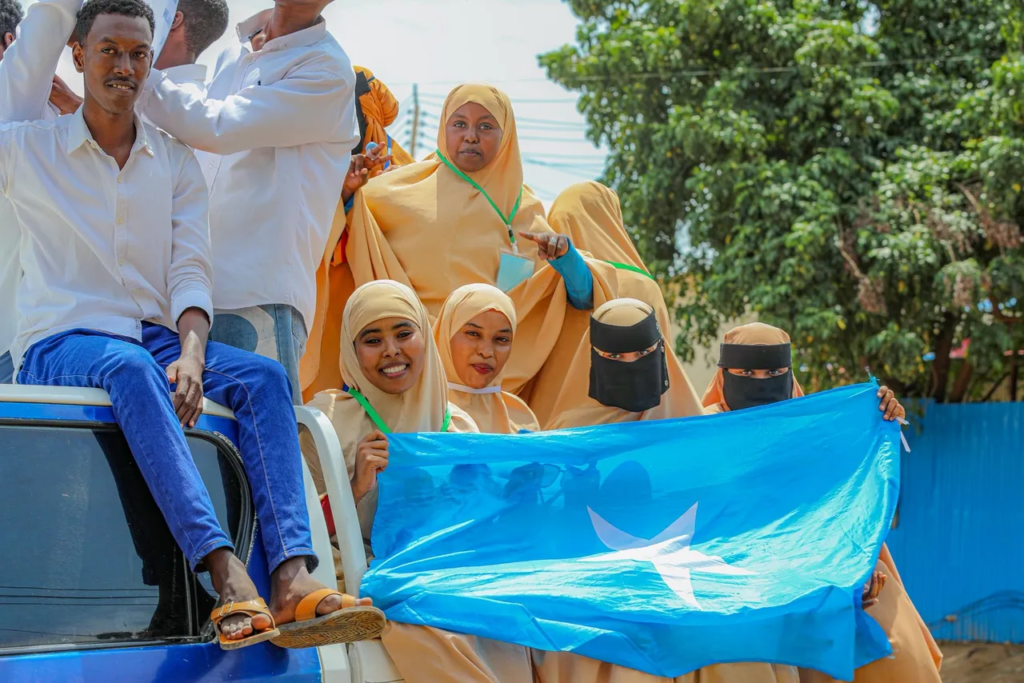
In the end the Somali Education System is a work in progress that needs a lot of patience and a lot of investment from everyone in the country. We cannot just focus on the fancy graduation ceremonies at the universities while ignoring the small kids who are struggling to learn to read in the villages.
A strong Somali Education System is like a house that needs a very solid floor before you can build the roof and the beautiful windows. As we look toward the future let’s hope that every child in Somalia gets the same chance to learn regardless of how much money their family has in their pocket.
Read Also: Will the Somali Education Gap ever close for children living in the countryside?
The path is long but the Somali people are famous for their resilience and their love for knowledge which is a great sign for the coming years. By working together to fix the primary schools and the universities at the same time we can create a generation of leaders who are ready for anything. The Somali Education System will be the engine that drives the country toward peace and wealth for a very long time to come.