
Education problems in Somalia are making it very hard for millions of children to have a bright future. The country has been dealing with conflict and natural disasters for a very long time now. This has destroyed the schooling system completely in many regions. Parents want their kids to learn how to read and write but they face massive roadblocks every single day. Let us look at the main reasons why going to school is so difficult for Somali children right now.
Read Also: Crisis Learning Solutions: Keeping Education Alive in Emergencies
Understanding the Biggest Education Problems in Somalia
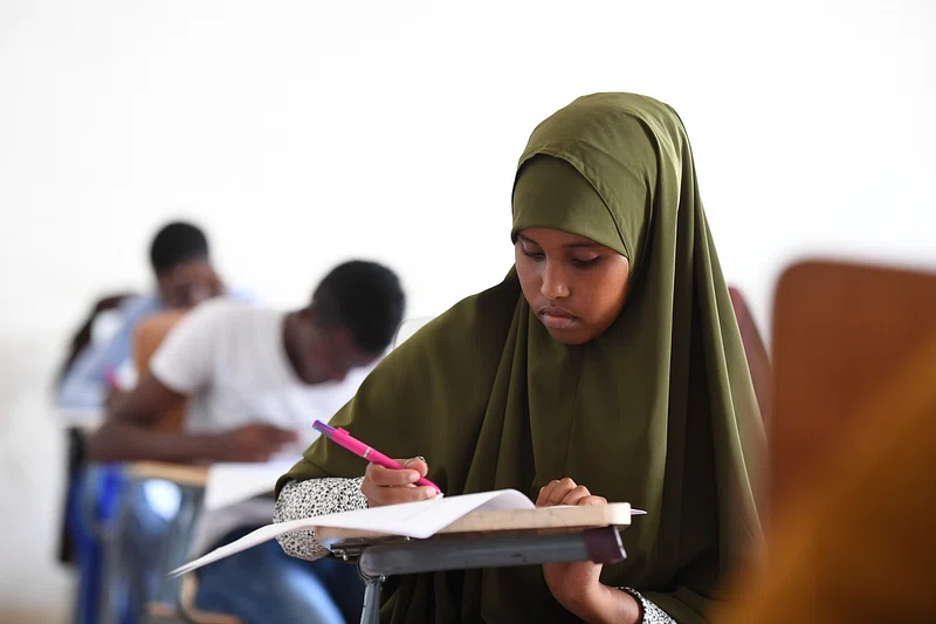
The first major issue is the total lack of funding from the government. Because the government does not have enough money it cannot build free public schools for everyone. This means that most schools are private and they cost a lot of money. Most families are very poor and they simply cannot afford to pay the monthly fees for their children. Therefore the high cost of tuition stands out as one of the most painful education problems in Somalia for poor families.
Another massive challenge is the terrible state of school buildings and basic infrastructure. Many classrooms are just broken structures with no roofs or desks at all. Children often have to sit on the dusty ground under the hot sun to listen to their teachers. There is usually no electricity and no clean drinking water inside these schools. This makes the learning environment very uncomfortable and unsafe which forces many students to drop out early.
- High school fees that poor families cannot afford to pay
- Broken classrooms with no desks electricity or clean water
- A severe shortage of trained and qualified teachers across the country
Why the Teacher Shortage Worsens Education Problems in Somalia
The quality of learning is also very low because there is a huge shortage of qualified teachers. Most people who teach in Somali schools have never received proper training themselves. They are often just young volunteers from the local community who want to help out. Because they do not know modern teaching methods they find it hard to manage large classrooms. This lack of professional staff is one of the deepest education problems in Somalia because even kids who go to school do not learn much.
Read Also: How Rural School Standards Can Improve Education in Somalia
Furthermore teachers get very low salaries and they are often paid late. This makes them lose their motivation quickly. The best teachers usually leave the small villages to find better jobs in big cities like Mogadishu. This leaves rural schools completely abandoned with no good educators left behind to help the kids.
“When teachers do not get paid they leave the classrooms and the schools close down completely.”
Cultural Obstacles and Moving Communities
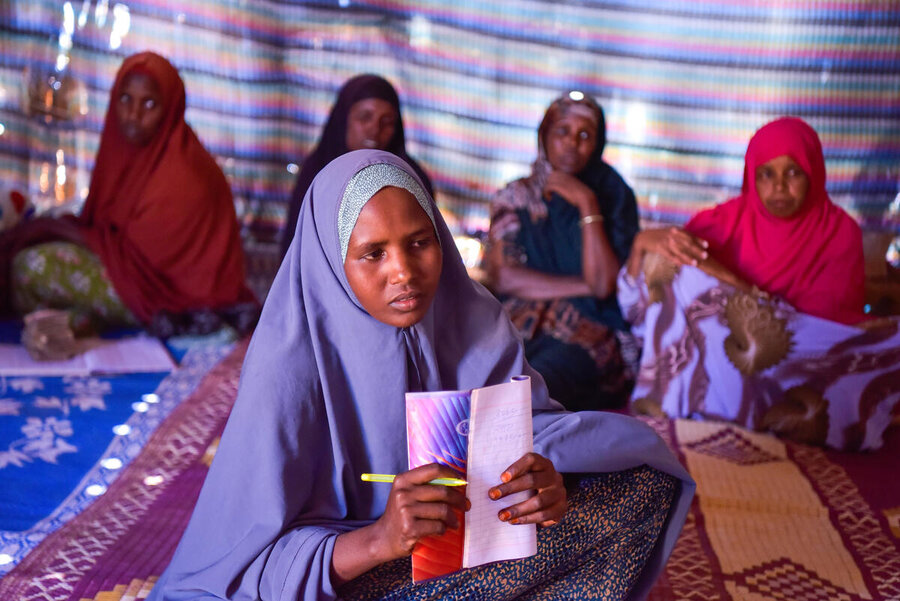
Gender discrimination is another big problem that adds to the education problems in Somalia today. Many traditional families still believe that girls do not need to go to school. They think girls should stay at home to cook clean and prepare for early marriage. If a family has a little money they will choose to send their boys to school instead of their girls. This keeps millions of young girls illiterate and trapped in poverty.
We also have to talk about the nomadic lifestyle of many Somali families. A huge number of people move constantly from one place to another to find grass and water for their animals. Traditional schools do not work for these moving families because children cannot stay in one village for more than a few weeks. This lifestyle makes solving the education problems in Somalia a very complicated task for aid groups.
Read Also: How Adult Literacy Classes Can Transform Lives Later in Life
Finally natural disasters like severe droughts and heavy floods constantly disrupt the school calendar. When a drought hits families lose their animals and have no food. They have to run away to refugee camps to survive. Schools close down for months and children lose all the progress they made. Without fixing these education problems in Somalia the country will struggle to build a stable and prosperous society for the next generation.