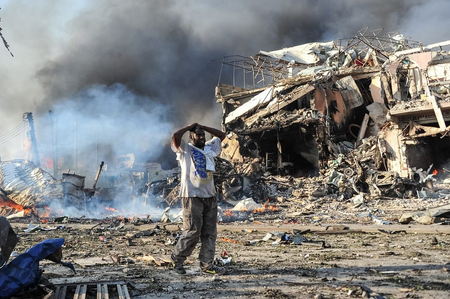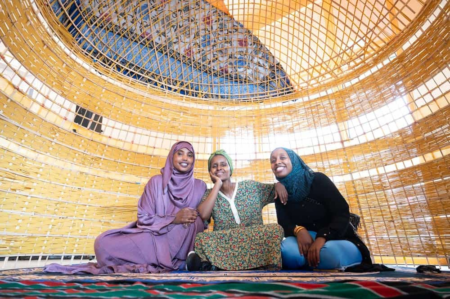



Rural school standards are the most important thing to focus on if we want every single child in Africa to have a fair chance in life. For a very long time children living outside the big cities have been completely ignored by the main education systems. While students in places like Mogadishu have access to concrete buildings textbooks and trained instructors kids in distant villages usually study under trees or inside tiny mud huts.
This huge gap between the city and the countryside is creating a lot of unfairness for the younger generation. If we truly want to rebuild the nation after years of hardship we must understand how rural school standards can be raised to help these farming and nomadic communities grow stronger.
Read Also: Somali Education changes From Quranic Schools to Classrooms
The Major Obstacles Facing Teachers in Remote Villages
The biggest reason why learning is so difficult in these far away places is the total lack of basic resources and infrastructure. Most villages do not have electricity running water or proper roads which makes it nearly impossible to attract good workers to move there.
- No Training for Instructors: Many people who teach in these local communities are just volunteers who never went to a university or received an official teaching degree.
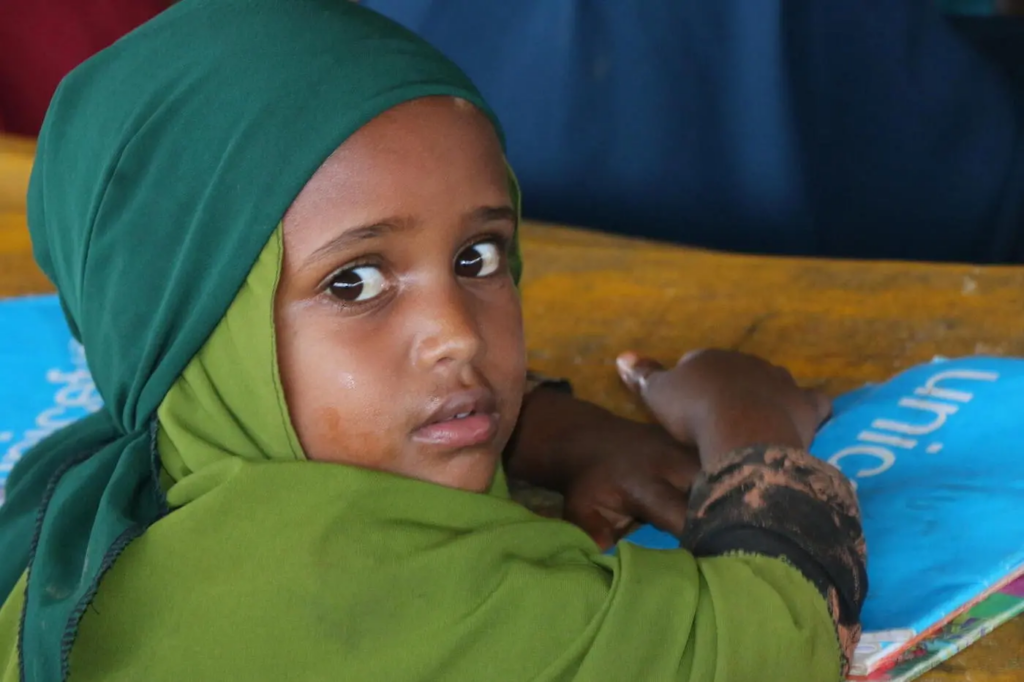
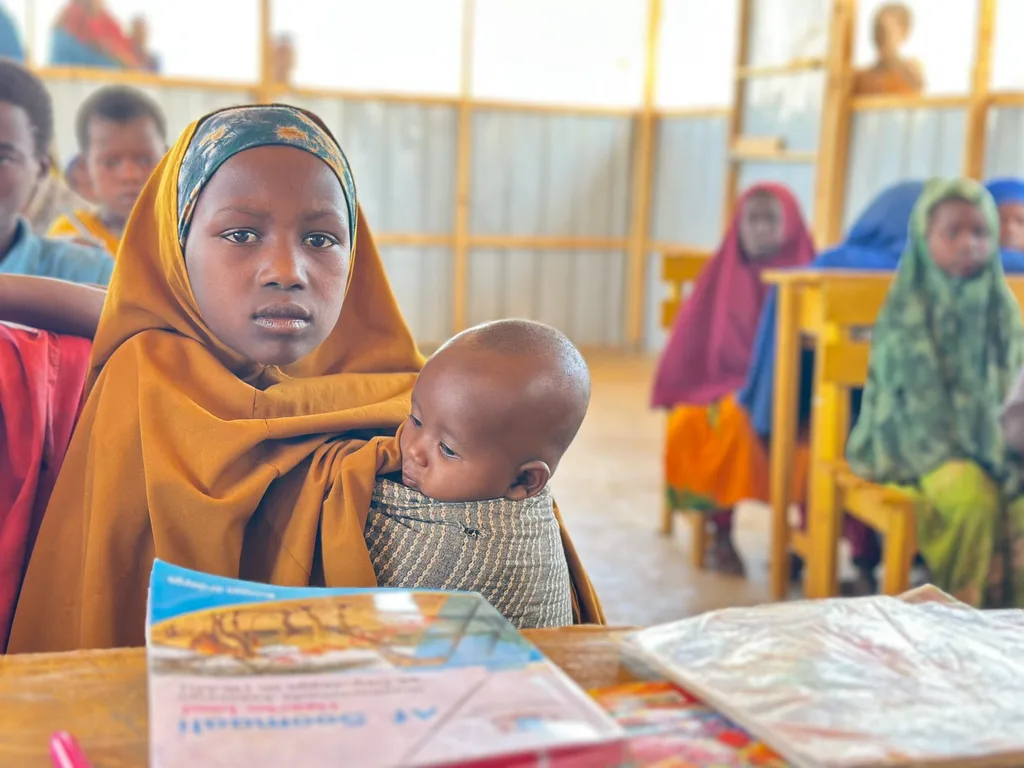
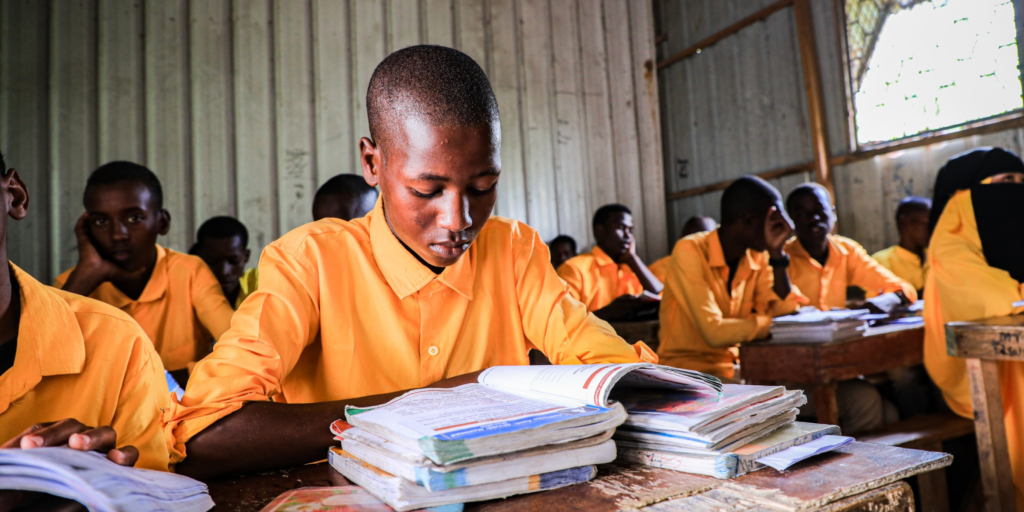
- Lack of Materials: Children often have to share a single worn out textbook among five or six students during a lesson.
- Unreliable Income: Teachers often go for months without receiving their financial salaries which forces them to leave the classroom to find other jobs like farming.
Because of these terrible conditions we can see that rural school standards remain incredibly low compared to the rest of the country. Parents notice this lack of quality and decide that it is much better to keep their kids at home to herd goats and camels instead of wasting time in a classroom where they learn nothing useful.
Read Also: Somali educational growth: How will students benefit?
Creative Solutions to Boost Rural School Standards Quickly
To fix this massive problem the government and charity organizations cannot just copy the same methods they use in big towns. They need to create flexible and cheap solutions that fit the traditional nomadic lifestyle of the countryside families.
One smart idea is to create mobile schools that can pack up tents and blackboards onto the backs of camels and travel alongside the moving tribes. This ensures that children never have to stop their lessons just because their families are moving to find water and fresh grass.
Local authorities can also use simple solar powered radios to broadcast educational programs directly to these isolated areas. By using technology this way we can raise rural school standards without needing to spend millions of dollars building massive concrete structures that might get abandoned when the season changes.
Building Better Support Networks for Local Educators
Another vital step is making sure that the people who choose to teach in these dangerous and remote areas are treated with a lot of respect and given the right tools. You cannot expect a volunteer to work hard every single day if they are hungry and worried about their own families.
- Provide Food Packages: Giving regular food supplies to teachers and their households can keep them motivated to stay in the village.
- Short Training Camps: Holding quick weekend workshops in nearby towns can teach volunteers basic skills in math and reading instruction.
When we invest in the adults who run these classrooms we are directly helping the children succeed. This focus on human resources is the most sustainable way that rural school standards can be protected over the next ten years.
Working Together for a Brighter Future
Rebuilding an entire country from the ground up is a very long and difficult journey that requires everyone to work together. International partners must stop spending all their money on city offices and start sending books pencils and solar lamps directly to the communities that need them the most.
Read Also: Somalia School Enrollment Boosts Opportunities for Children
When every single child in the desert has the chance to read and write, the entire country will benefit from new businesses and better stability. Keeping rural school standards high is not just a nice goal but an absolute necessity for the future of the nation.
Strong rural school standards help ensure that children in remote communities receive the same opportunities as those in cities. Investing in rural school standards today can create a more educated, peaceful, and prosperous Somalia tomorrow.