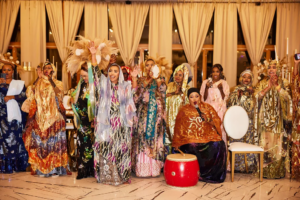

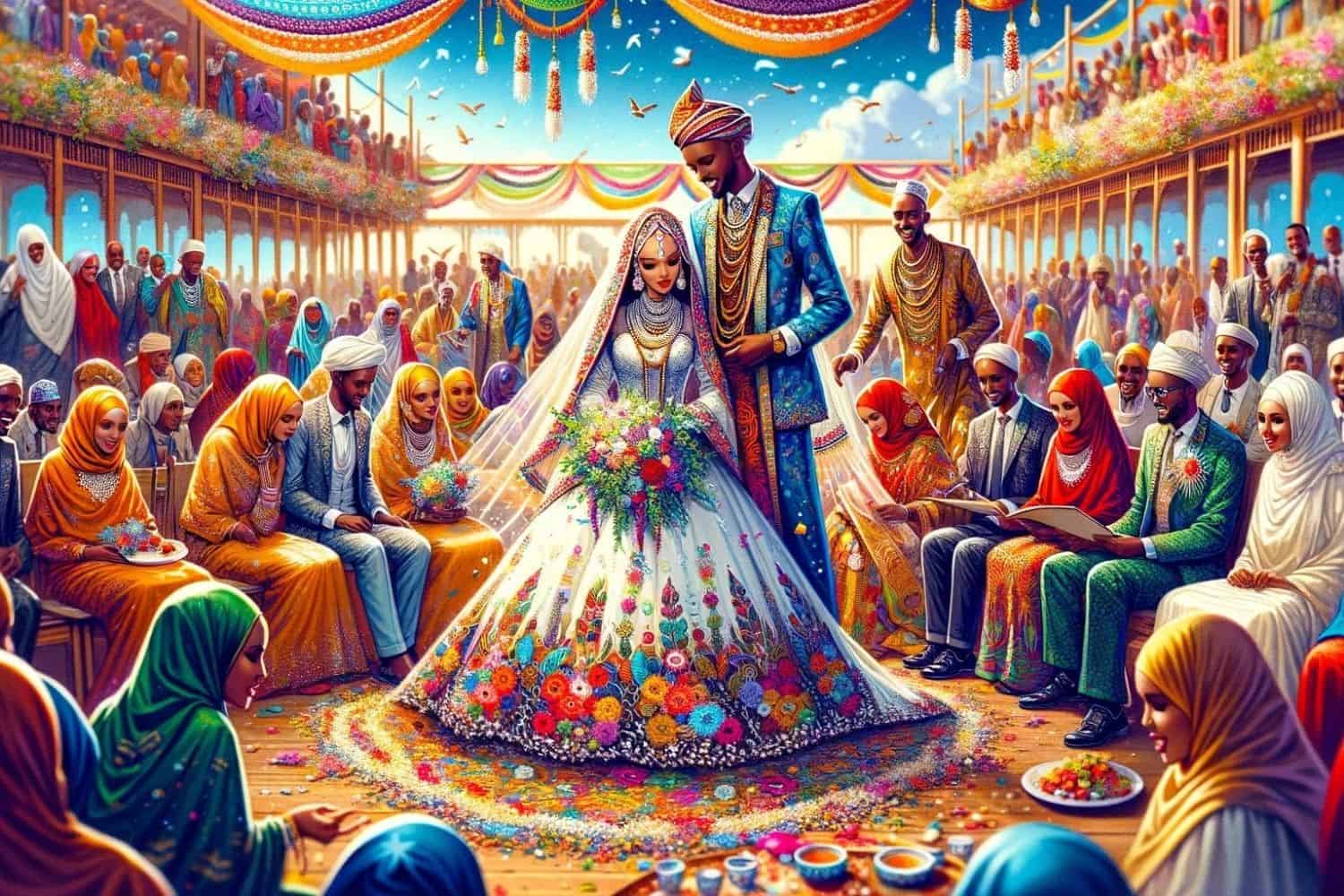
Somali traditions continue to catch visitors off guard even today, mixing ancient nomadic wisdom with modern life in ways you rarely see elsewhere. These Somali traditions have survived war, drought and globalization, and they still shape daily life from Mogadishu cafés to remote villages in Puntland. Here are nine of the most unusual ones that make Somalia feel like nowhere else on earth.
1. The Miswak Code – Clean Teeth, Strong Faith
Every Somali man and many women carry a miswak stick at all times. This small piece of salvadora persica tree is a toothbrush, breath freshener and religious practice in one. You’ll see drivers, guards, even ministers gently chewing it during meetings. Skipping it isn’t just unhygienic in Somali traditions, it’s almost disrespectful.
2. The Triple Refusal Before Accepting Anything
Offer tea, food or help and the polite answer is “maya” (no) at least twice, often three times, even when the person desperately wants it. Only after you insist do they finally accept with a smile. First-time visitors give up too soon and leave confused. Mastering this dance of Somali traditions is the fastest way to be called “one of us.”
3. Fresh Camel Milk as Morning Coffee
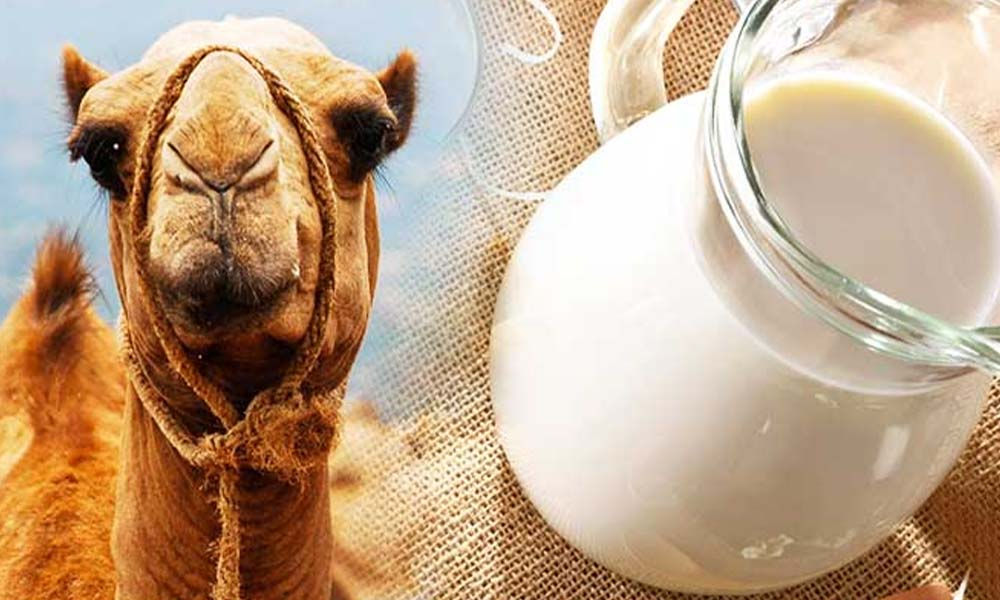
While the rest of the world reaches for cow milk or oat milk, Somalis start the day with warm, frothy camel milk straight from the herd, lightly sweetened and spiced. Refusing the bowl is like refusing hospitality itself. These Somali traditions kept nomads alive for centuries and still taste better than any latte I’ve had.
4. The Endless Handshake Sequence
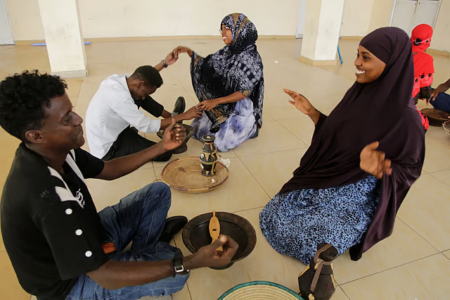
A simple handshake in Somalia lasts minutes and follows a precise ritual: grip, slide, snap fingers, grip again, sometimes a chest bump or shoulder touch. Letting go too early signals anger or disrespect. Watch two old friends meet and you’ll see Somali traditions turn a greeting into performance art.
5. Instant Family Membership
Meet someone for five minutes and suddenly you’re “my brother,” “my cousin,” or “my uncle.” Their entire family tree now includes you. DNA doesn’t matter, respect does. I once got invited to three weddings in one week because Somali traditions turned casual hellos into lifelong bonds.
6. Covering Food When Men Eat
When men sit down for a meal, women immediately place a lid or cloth over every dish after serving. It’s not secrecy, it’s an old nomadic rule to protect food from dust and evil eye. Seeing this in five-star Mogadishu restaurants proves how deeply Somali traditions run.
7. Resolving Conflicts with Poetry
Instead of shouting or fighting, many disputes end in gabay battles, long poems that roast the opponent with clever insults and historical references. The better poet wins respect and often the argument itself. These Somali traditions turned potential violence into high art for centuries.
8. Bride-Absent Wedding Parties
In some regions the bride spends the entire wedding celebration at her family home while the groom parties with hundreds of guests. Everyone dances, eats and gives gifts without ever seeing her. Only the next day does the groom collect his wife. Outsiders spend the night asking “where is she?” until they learn it’s completely normal.
9. Naming Children After Good News
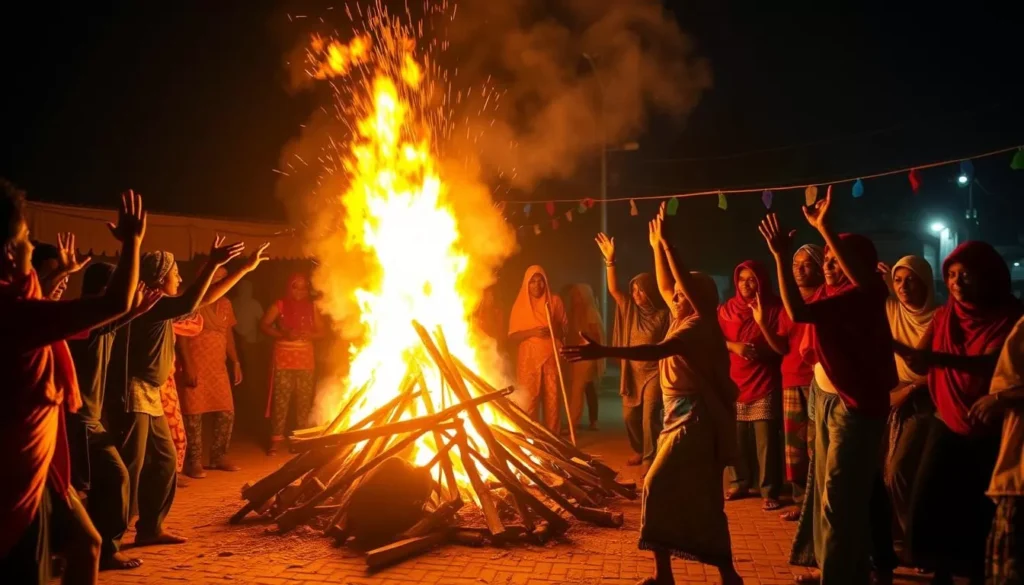
When something great happens, a birth, a rainstorm, victory, many families name the next child after that event. You’ll meet boys named Barxo (rain came) or Guuleed (victory). These Somali traditions literally write history into family trees.
Also Read: 5 Facts About Somali Traditional Clothing
These Somali traditions might seem strange at first glance, but spend a week here and you start to understand the beauty behind each one. They turn survival skills into culture, strangers into brothers, and ordinary moments into stories worth retelling. Somalia may face challenges, but its traditions remain unbreakable, unforgettable, and quietly brilliant.