


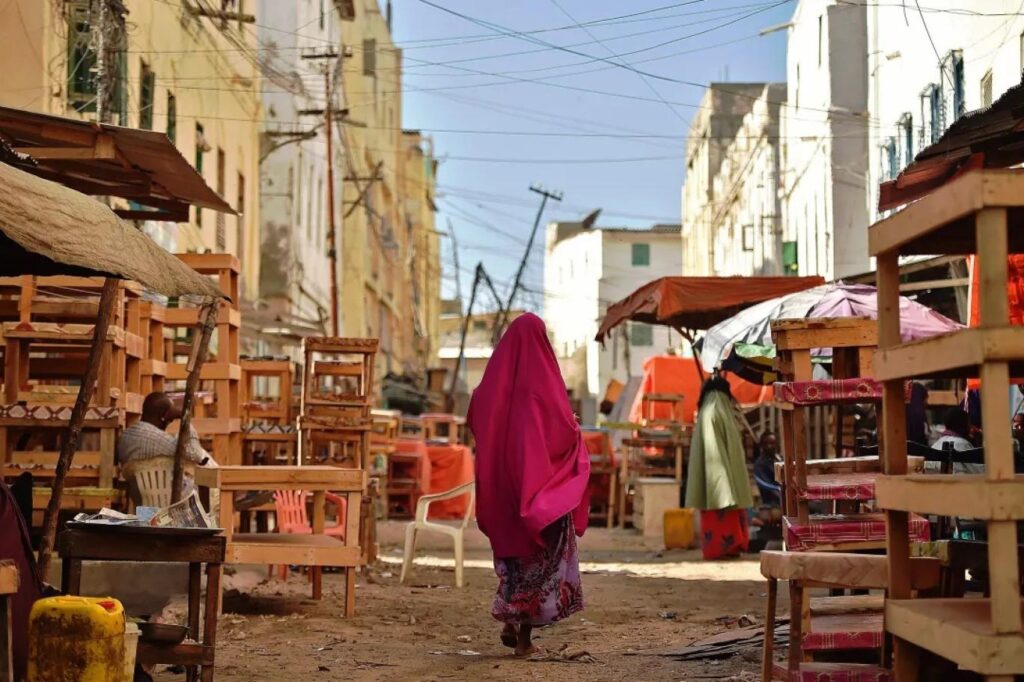
Hamruwein Market Closure became a big topic in Mogadishu after many traders decided to close their shops to show their anger about the rising tax pressure. People in the area said the protest was not only about the money, but also about long days of stress that small business owners face. The situation made the streets quieter than usual. Many traders said they did not understand why the taxes were going up so fast. Others said the timing was too difficult for them. The Hamruwein Market Closure made many people think about how one market can show the problems of a whole city.
Hamruwein Market Closure and the frustration of local traders
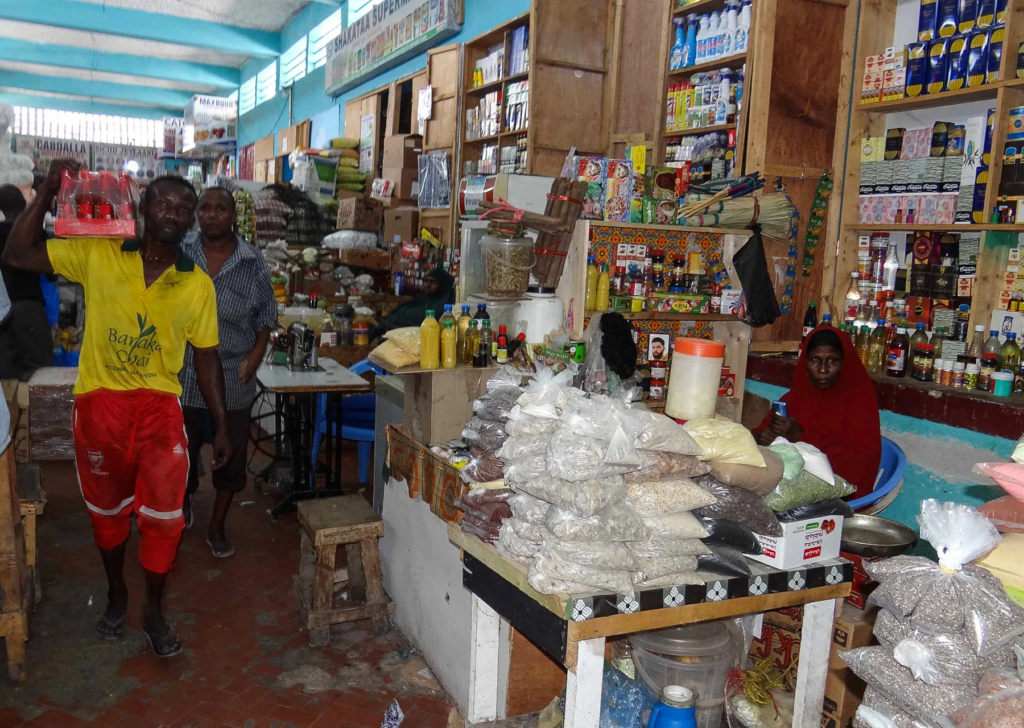
During the Hamruwein Market Closure, many shop owners said they were afraid of losing their main income. The market is known as one of the busiest places in Mogadishu, and thousands of people visit it every day. When the doors stayed closed, customers stood outside not knowing what to do. Traders said tax officers kept asking for payments without giving clear details. Some said the system felt unfair to small shops. Others said the new tax demands came without warning. The Hamruwein Market Closure became their only way to speak up and ask for a fair solution.
Why the reaction to new taxes turned into the protest
Many people tried to explain why the protest grew so fast. Some traders said the government has the right to collect taxes, but it must explain them clearly. They want a system that helps small businesses instead of adding more trouble. Others said the new tax rates did not fit the economic situation. When goods become expensive, customers buy less, and traders feel the pressure. That is why they believed the Hamruwein Market Closure was their best chance to get attention. They hoped it would start a real talk with the government.
Community impact during the closure
The closure did not only affect shop owners. Many families who buy food, clothes, and daily needs from the market had to change their routine. Some people walked long distances to find open shops. Others waited for the market to reopen because prices in other places were too high. Drivers who depend on the market also lost income for the day. The Hamruwein Market Closure showed how connected the community is to this area. When one important place stops, the whole city feels it.

Will the protest push for new dialogue?
Many people hope that the protest will bring better communication between traders and the government. Some community elders tried to calm the situation and asked both sides to sit and talk. They said markets are a main part of the country’s economy and cannot stay in conflict. Others said both sides must show respect and honesty. If the government explains the taxes clearly, and if traders follow a fair system, then the issue can be solved. The Hamruwein Market Closure showed that people want fairness and stability.
Read Also: Are Somali Cyber Cafes the Real Classrooms Now?
A moment that may shape future tax policy
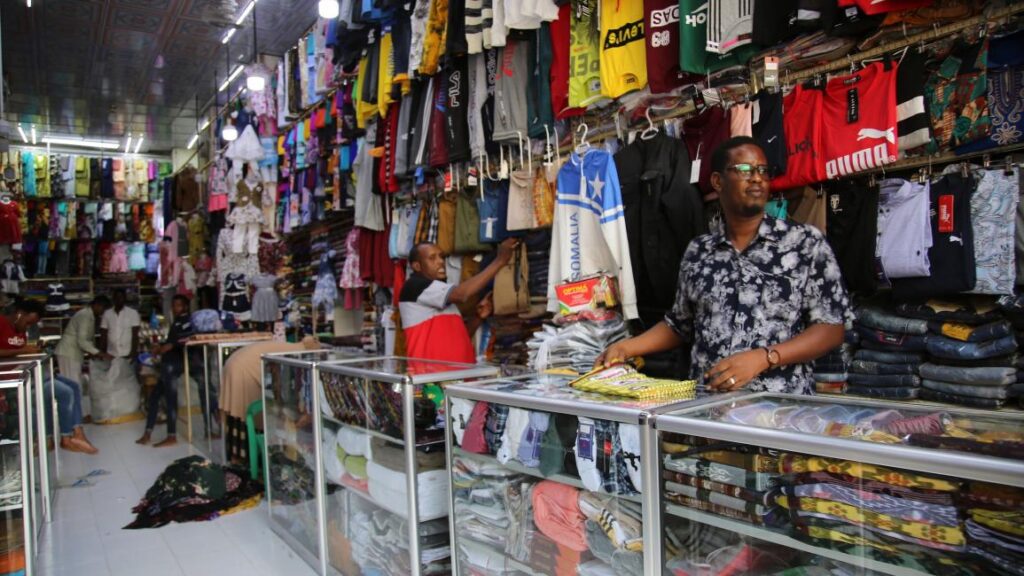
After the Hamruwein Market Closure, some observers said the event may change how taxes are applied in the future. They said the government might need to open more discussion with traders. They also said that traders should have a voice in tax decisions because they understand the market better than anyone. Many hope that such a closure will not happen again. They want a system that gives confidence, not fear. The Hamruwein Market Closure might become a key moment in building a more balanced and clear tax policy.