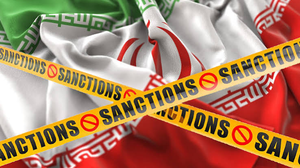



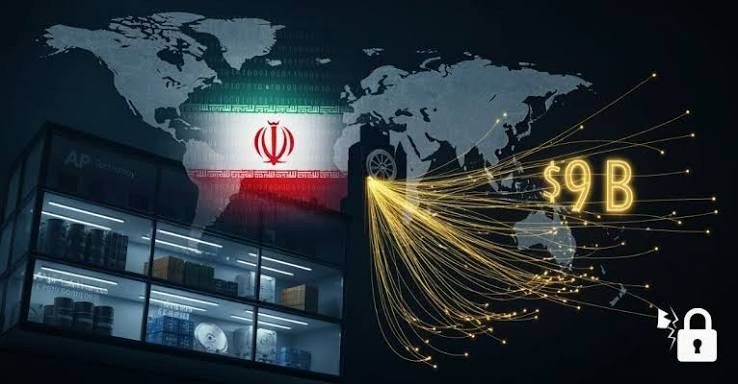
Iranian sanctions evasion routes allow billions of dollars linked to Tehran to flow through top foreign financial institutions each year. Reports by major news outlets like the Wall Street Journal show how these complex networks move vast sums despite heavy global restrictions. Even with strict policies designed to cut off access to global markets money still slides through international correspondent banking channels. By using shell companies front firms and indirect banking networks based in trade hubs like China Hong Kong and the United Arab Emirates money managers manage to hide the origin of these transactions. Understanding how these loopholes operate helps reveal why enforcement remains such a massive challenge for global authorities.

Read Also: Russian Military Strikes Target Ukrainian Supply Bases and Ships
Why Iranian sanctions evasion routes rely on correspondent banking networks
Understanding Iranian sanctions evasion routes requires looking at how international dollar settlements actually work across the world. Because every single transaction made in US dollars must clear through an American financial institution Washington possesses wide power to track funds. However foreign correspondent banks often process transactions for third party clients without seeing who ultimate beneficiaries are. The US Treasury Department previously estimated that about 9 billion dollars connected to illicit trade moved through western channels in a single year. Front companies disguise ownership details so well that regular compliance teams struggle to catch red flags before funds clear.
A striking example of how Iranian sanctions evasion routes operate involves recent enforcement actions targeting regional financial entities. On August 28 American authorities targeted a overseas branch of Bank Misr located in the United Arab Emirates. Officials accused the branch of facilitating access to clearing systems for entities connected to shadow financial networks. Investigations revealed that up to 1.8 billion dollars moved through this single node to front companies linked to restricted accounts. Major western institutions like JPMorgan Chase and Citigroup served as correspondent institutions for the entity making it easier for disguised transfers to pass through standard channels.
Read Also: Sudan Peace Talks: Concerns Over Legitimacy and Safety
Disrupting these complex Iranian sanctions evasion routes creates a tough dilemma for financial policymakers and global regulators. If authorities enforce rules too aggressively without warning they risk disrupting normal trade payments and driving partners away. Experts point out that forcing foreign banks out of dollar settlement networks encourages nations to use alternative currencies like the Chinese yuan or local digital tokens instead. Every time new restrictions hit established institutions incentivizes global companies to find non dollar workarounds to complete routine business transactions. Finding the right balance between stopping illicit cash and keeping regular trade smooth is very tricky.
Furthermore the stealthy nature of non traditional banking channels makes tracking Iranian sanctions evasion routes an endless game of cat and mouse. When one front company gets flagged or shut down network operators immediately open new ones using different names and corporate structures. They break large sums down into smaller transactions to stay below automatic tracking thresholds. This constant shifting forces compliance officers at major clearing hubs to spend millions on advanced monitoring tools to verify sender details. Despite these massive investments in oversight intelligence leaks show that hidden funds continue moving across borders daily.
Read Also: How Strait of Hormuz Crisis Impacts Trade and Iran’s Economy
As authorities tighten controls around global trade financial institutions face growing pressure to inspect every transfer carefully. Stopping Iranian sanctions evasion routes requires close cooperation between international intelligence agencies enforcement officers and private commercial banks. US Treasury officials continue warning foreign institutions about severe penalties if they fail to perform proper due diligence on suspicious clients. The fight to protect global settlement networks will continue as long as traders find creative ways to hide true owners. Moving forward tracking these hidden money flows will remain a top priority for international sanctions enforcement teams worldwide.