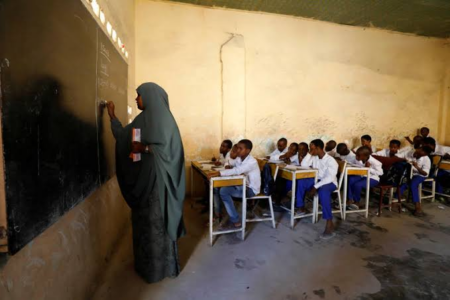

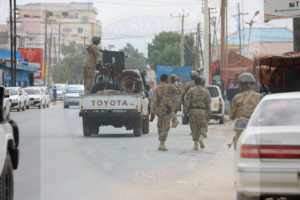

Somali Education Gap issues are becoming more noticeable in 2026 as the cities like Mogadishu and Hargeisa get new schools while the rural villages are left behind. Most of the time we talk about progress in the capital but we forget that millions of children in the countryside have never even seen a classroom or a textbook. This Somali Education Gap is not just about having a building with a roof but it is about the chance for every Somali child to have a fair start in life regardless of where their family lives. In the year 2026 it is sad to see that a child in the city has a 70% better chance of finishing primary school than a child living in a nomadic or farming community. We need to look at why this is happening and what the six biggest facts are that explain this divide between our urban and rural areas.
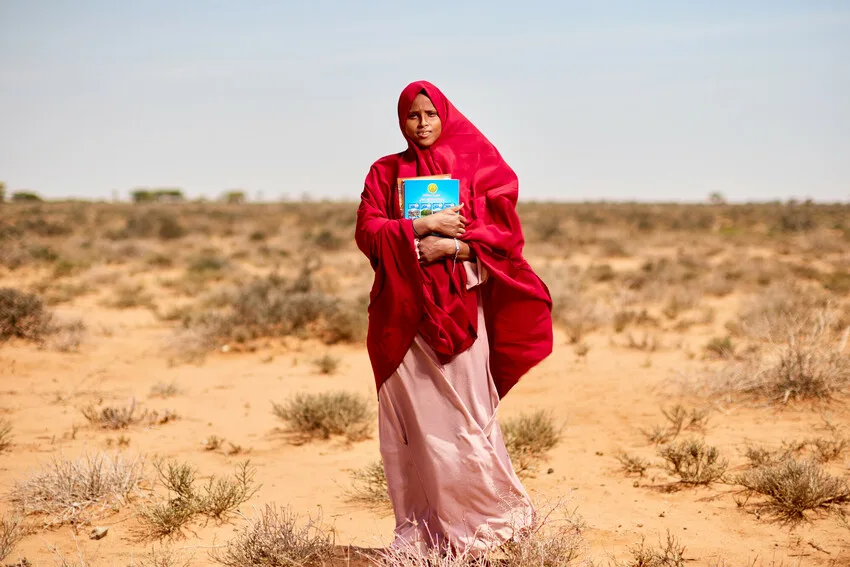
One of the main reasons for this problem is that most of the money for schools stays in the big cities because that is where the private companies want to build. In the rural areas the government is struggling to provide even the most basic things like desks or clean water for the students. This Somali Education Gap grows wider because teachers do not want to move to remote villages where there is no electricity or good housing for them to live in. When a school in the city has five teachers and a school in the village has only one person for a hundred kids the quality of learning is never going to be the same.
Six Major Truths About the Somali Education Gap
First of all we must understand that the distance to school is a huge barrier for rural families who often have to walk for two hours just to reach a teacher. Within the Somali Education Gap we see that safety is the second biggest concern because parents are afraid to send their kids across long empty roads where anything could happen. Third the nomadic lifestyle of many Somali families means they are always on the move which makes it very hard to follow a regular school calendar that was made for city life. Fourth the lack of female teachers in the countryside means that many girls are kept at home because of traditional beliefs.
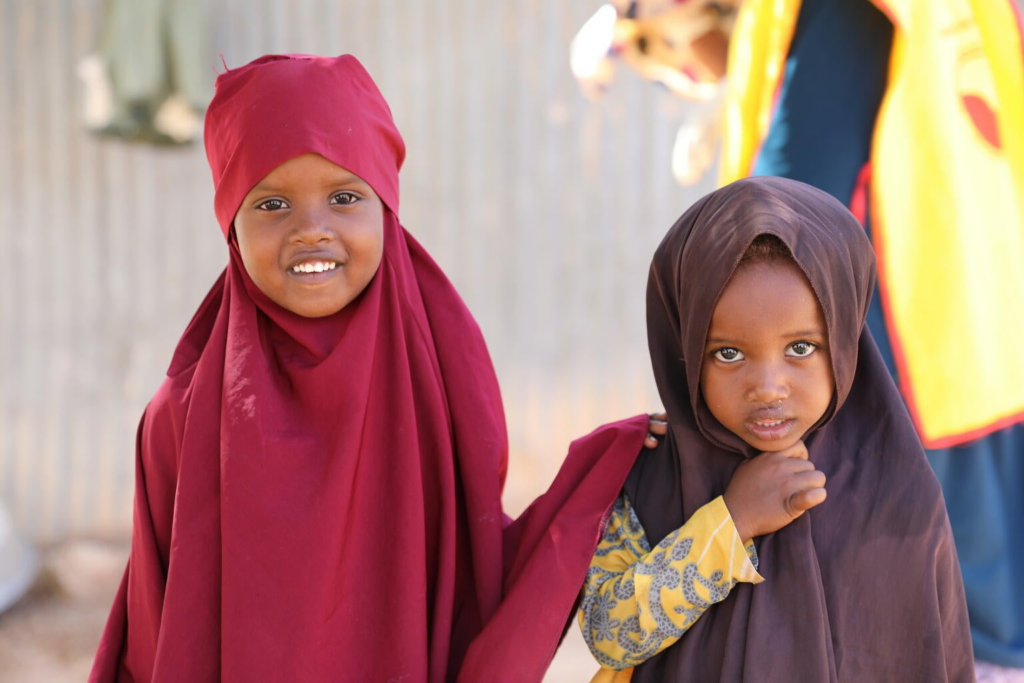
Solutions Within the Somali Education Gap Framework
Fifth the cost of books and uniforms is much harder for a farmer to pay than for someone working a government job in the city. Sixth and finally the internet and digital tools that are helping kids in Mogadishu are almost completely missing in the rural regions which creates a digital Somali Education Gap that is very hard to fix. To solve this the government is trying to start mobile schools that travel with the nomads but they need more funding to make this work on a large scale. If we can use radio lessons and solar-powered tablets we might be able to reach the kids who are currently being ignored by the system.
Closing the Somali Education Gap for a Better Future
If we do not fix this Somali Education Gap soon we will end up with two different countries where one group has all the skills and the other group has none. We must invest in rural teachers and give them better pay so they feel happy to serve the people in the distant provinces. The Somali Education Gap can only be closed if we treat every village like it is just as important as the heart of the capital city. In 2026 the dream of a united and strong Somalia depends on the education of every single child from the coast to the deepest parts of the hinterland.
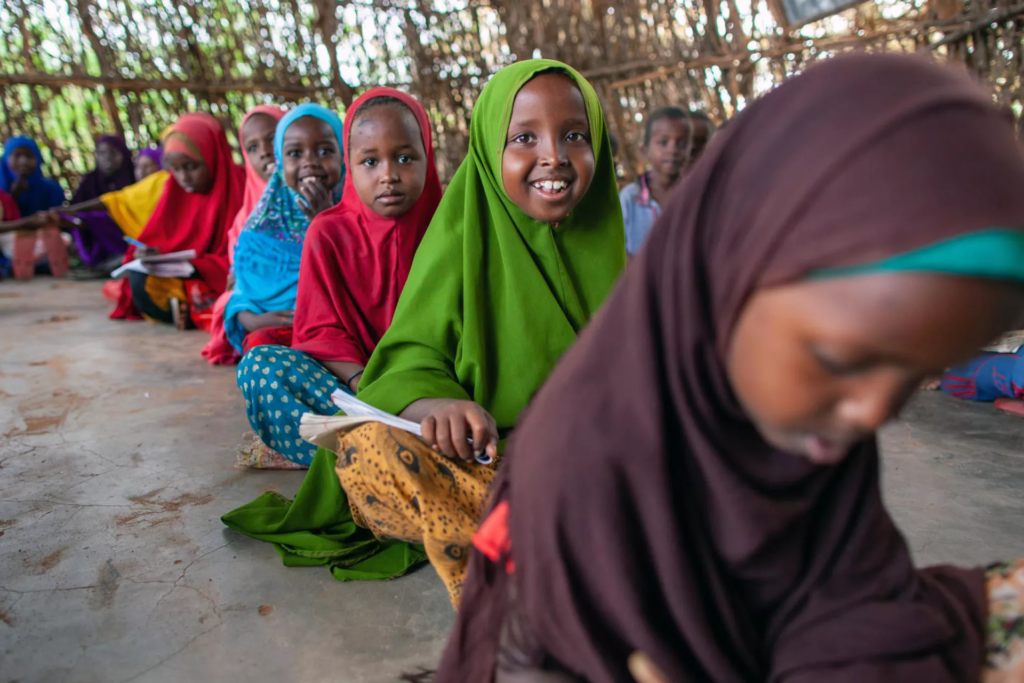
In the end it is about justice and making sure that being born in a village is not a “sentence” to stay poor forever. The Somali Education Gap is a mountain that we must climb together as a nation if we want to see a bright horizon for our youth. Let’s hope that by the time we reach 2030 we can look back and say that we finally brought the light of knowledge to every corner of our beautiful land. It is time to stop talking and start building so that no child is left behind in the dark anymore.
Read Also: How can we apply a Somali Learning Strategy to fix the schools?
The road is long but the spirit of the Somali people is strong enough to overcome any challenge if we work as one. This Somali Education Gap is our biggest test and passing it will be our greatest victory for the future of the nation.