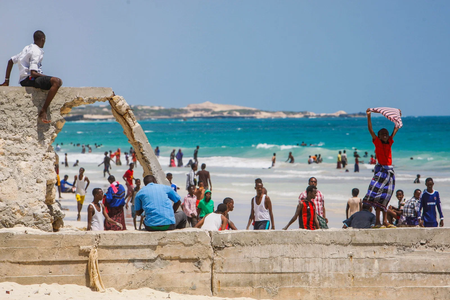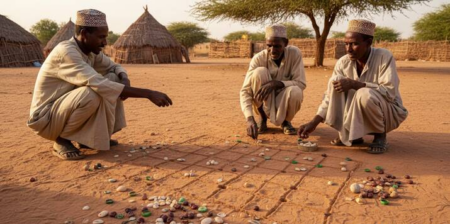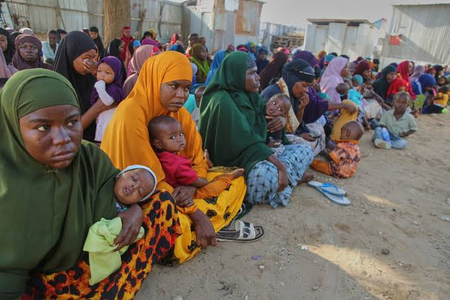


Somali cultural values are the heartbeat of life in the Horn of Africa because almost every single person there follows the same faith which is Islam and this creates a very strong bond between everyone in the community. From the moment a child is born until the day they grow old their life is guided by a mix of ancient nomadic traditions and the deep rules of their religion that have been passed down for centuries. This unique blend of Somali cultural traditions means that you cannot really separate what is traditional from what is religious because they have become one and the same thing over the years. For example when you visit a home in Mogadishu or a small village in the countryside the way people greet you with “Assalamu Alaikum” is both a religious prayer and a deep part of the local etiquette. These Somali cultural traditions focus a lot on being kind to your neighbors and sharing whatever little food you have with the traveler who passes by your door. It is a way of life that teaches everyone that they are part of a bigger family and that they must look out for each other no matter what happens in the world outside.
Read Also: Fasting habits: tips to help Somali children
When you look at the history of the region you see that the people were mostly nomads who moved with their animals across the dry lands looking for water and grass. This hard life made them very tough but it also made them rely on Somali cultural traditions like hospitality and bravery to survive the harsh environment. Because of their faith they believe that everything they own is a gift from God so they are very generous with their wealth even when they don’t have much for themselves. This is why you will see the concept of “Zakat” or charity being practiced so naturally within the Somali cultural values system where the rich people always help the poor ones during the holidays or times of drought. Even the way they settle their arguments is often done through a council of elders who use both traditional laws and religious teachings to make sure everyone is treated fairly. By keeping these Somali cultural values alive the society has managed to stay together even during the very difficult times of war and instability that have hit the country in the past.
Read Also: Detention center aid: How Somalia Helps Prisoners This Ramadan
The role of family in Somali cultural values and traditions
Family is the most important thing in the world to a Somali person and the Somali cultural values put the parents and the elders at the very top of the social ladder. Children are taught from a very young age to respect their elders and to never speak back to them because it is seen as a major sin in their religion and a shame on the family name. These Somali cultural values also mean that people stay very close to their cousins and distant relatives creating a massive support network that helps people find jobs or get married. When a wedding happens it is not just a party for two people but it is a huge event for the whole clan where they celebrate their Somali cultural values with traditional dances like the Dhaanto and plenty of camel meat. This deep connection to the tribe and the family is what gives people their identity and makes them feel safe even when they are living far away in places like Europe or North America.
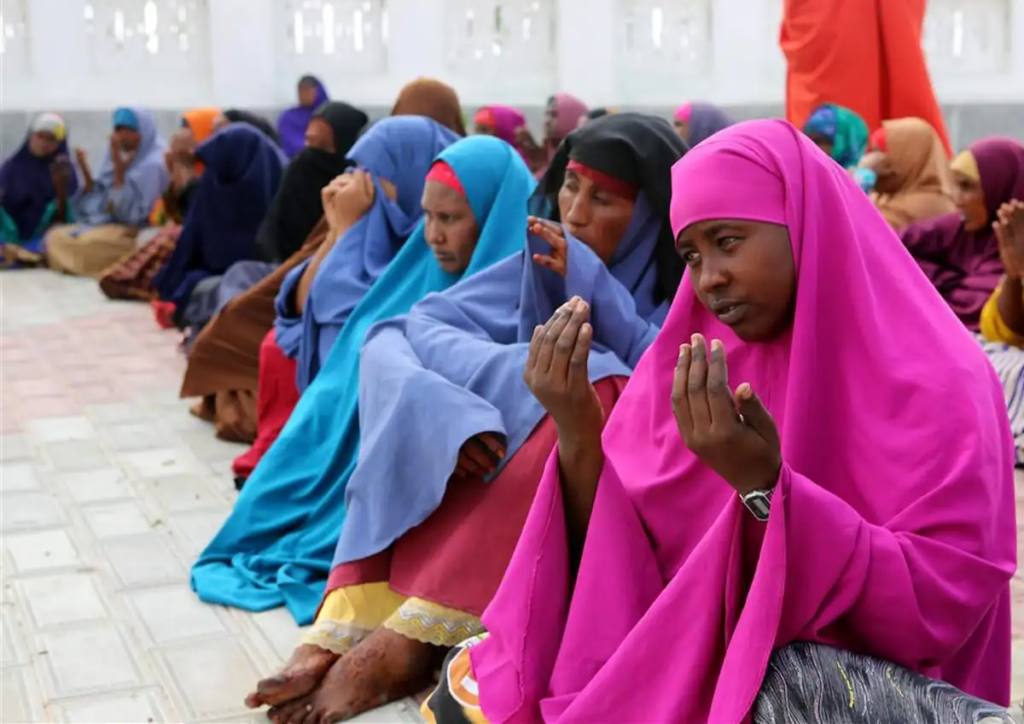
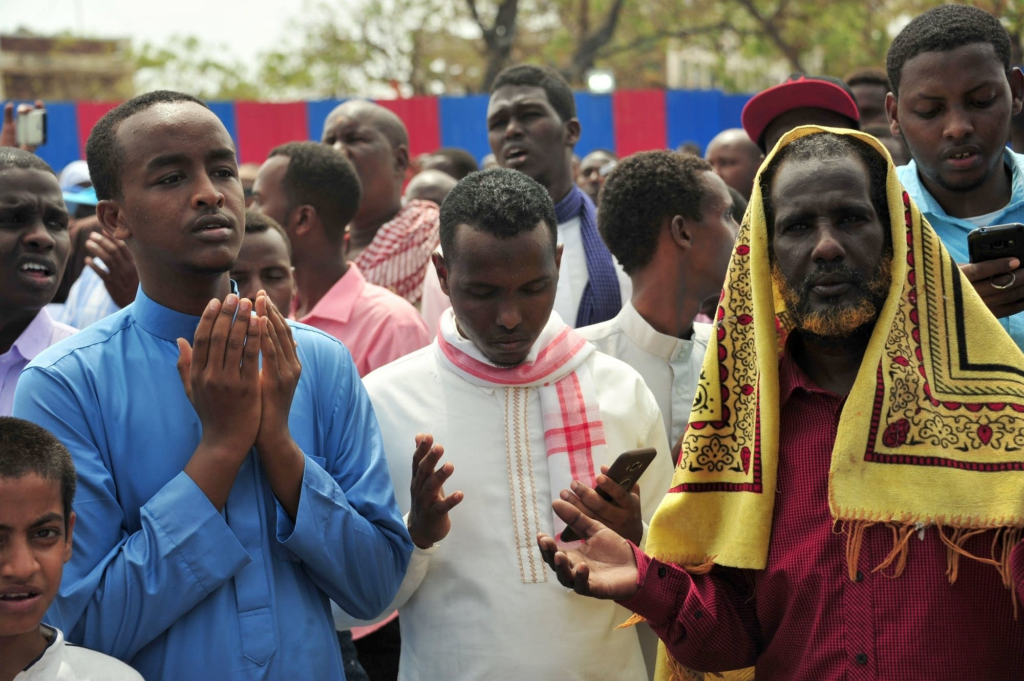
Another interesting part of the story is how the Somali cultural values influence the way people dress and present themselves in public every day. You will notice that men and women usually wear modest clothing that covers their bodies which is a requirement of their faith but they also use beautiful local fabrics like the “Guntiino” or the “Macawiis.” These clothes are a visual sign of their Somali cultural values and they show that they are proud of their heritage while still following the rules of their religion. Even in the big modern cities you won’t find many people wearing clothes that go against these old traditions because the social pressure to fit in with the Somali cultural values is very strong. It is a way of showing that you belong to the community and that you respect the way your ancestors lived their lives for thousands of years before you were born.
Education and the future of Somali cultural values
In the past the main way children learned about the world was through the “Dugsi” which is a traditional religious school where they memorize the holy book and learn about the prophets. This type of education is a cornerstone of the Somali cultural values because it builds a strong moral foundation before the child even starts learning math or science in a regular school. Nowadays even with modern technology and the internet the parents still make sure their kids go to the Dugsi because they want to preserve their Somali cultural values in a world that is changing very fast. They worry that if the youth forget their language or their faith they will lose the very thing that makes them Somali in the first place. So they keep pushing these Somali cultural values in every part of the curriculum to ensure that the next generation grows up to be both smart and respectful of their roots.
Read Also: Ramadan start date which day will the fasting begin?
The way of life in this part of the world is a beautiful tapestry made of many different threads of history and faith and tradition. The Somali cultural values are what keep the spirit of the people alive and they provide a sense of peace and order in a world that can often feel very chaotic. As long as the people keep hold of their kindness and their hospitality and their respect for the elders the culture will continue to shine brightly for many years to come. It is a unique way of being that the whole world can learn something from if they take the time to look closely at the heart of the Somali people.