


Education poverty gap is a term that many people use to describe why so many kids around the world never get to sit in a classroom. When a family is struggling just to buy food for the day the thought of paying for school fees or a uniform feels like a dream that is too far away. This education poverty Barrier is not just about having no money for books but it is about the hard choices parents have to make between survival and learning.
In many poor areas a child is seen as an extra pair of hands that can help earn money instead of someone who should be studying. This means that millions of bright minds are being wasted because they are stuck working in fields or selling things on the street just to help their families get through the week.
Read Also: The Somali School Struggle and the Future of a Generation
The Hidden Costs Behind the School Gates
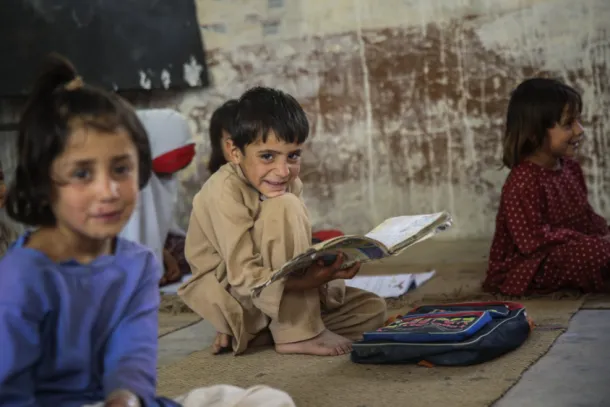
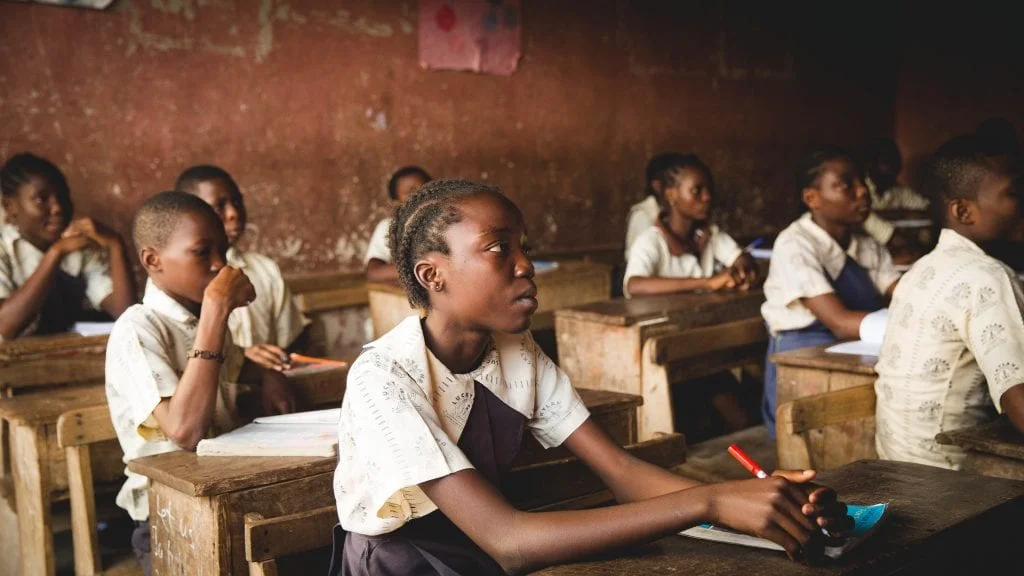
Even when the government says that primary school is free the education poverty gap still finds a way to keep children at home. Parents still have to pay for pens and paper and they have to buy specific clothes that cost a lot of money in the local markets. If a family has five children they simply cannot afford to equip all of them for the school year which widens the education poverty Barrier even more.
Often the parents will pick just one child to go to school while the others stay back to work which creates a lot of sadness and unfairness within the same house. It is a cycle that is very hard to break because without an education those children will grow up to be poor just like their parents.
Why the Education Poverty Gap Hits Rural Areas Hardest
If you live in a big city you might have more options but in the countryside the education poverty gap is much more visible and painful. Schools are often very far away and families cannot afford the bus fare to send their kids to class every morning.
This physical distance adds to the education poverty Barrier because a child who has to walk two hours each way is often too tired to learn anything once they finally arrive. In these remote places many schools do not even have clean water or toilets which makes the situation even worse for the students. When the environment is this bad it is easy to see why families feel that school is not worth the struggle when they are already fighting to survive.
The Role of Nutrition in Learning Success
You cannot talk about the education poverty gap without talking about the food that kids eat or the food they miss out on. A hungry brain cannot focus on math or grammar because it is too busy sending signals that the stomach is empty. This is a huge part of the education crisis because kids from poor homes often go to school without breakfast.
This makes the education poverty gap grow because these students cannot perform as well as the kids who have full bellies. Many charities are trying to solve this by providing free lunches but the problem is so big that it needs a much larger solution from the leaders of the country.
Child Labor as a Barrier to the Classroom
In many places the need for money is so high that child labor becomes the main reason for the education poverty gap today. Instead of learning how to read a ten year old might be working in a factory or a mine because their family needs those few extra coins. This part of the education poverty gap is the most tragic because it robs the child of their childhood and their future at the same time. Once a child starts working and sees that they can bring home money it is very difficult to convince them or their parents to go back to a desk. The short term need for cash wins over the long term benefit of a diploma every single time.
Read Also: Somali education boom: the rise of a golden era in the 1970s
Gender Inequality and the Fight for Schooling
We also see that the education poverty gap affects girls and boys in different ways depending on where they live. In many cultures if the money is low the family will choose to send the son to school and keep the daughter at home to do chores. This makes the education poverty gap for women very high and it keeps them trapped in a cycle of being dependent on others.
When a girl stays out of school she is more likely to be married off early which ends her chances of ever getting an education. Breaking this part of the gap is one of the most important things we can do to help a society grow and become more fair for everyone.
How Technology Could Help Close the Distance
Some people think that using mobile phones and the internet could help bridge the education poverty gap in the future. If a child cannot go to a physical school maybe they can learn from home using digital tools that do not cost as much. However the education poverty gap also shows up in the digital world because poor families do not have fast internet or expensive tablets. So while technology is a great idea it can also create a new kind of gap between those who have gadgets and those who do not. We have to be very careful that new inventions do not leave the poorest children even further behind than they already are.
Read Also: Ramadan Study Tips: Keep Grades High While Fasting
Final Thoughts on Solving the Problem
We have to realize that the education poverty gap is a problem for the whole world and not just for the poor countries. When millions of children are out of school the global economy loses out on new ideas and new workers who could help solve our biggest problems.
Closing the education poverty gap will take a lot of money and a lot of heart from everyone involved. It is about making sure that a child’s future is determined by their brain and their hard work and not by how much money is in their father’s pocket. Only then can we say that we have a fair world for the next generation.