

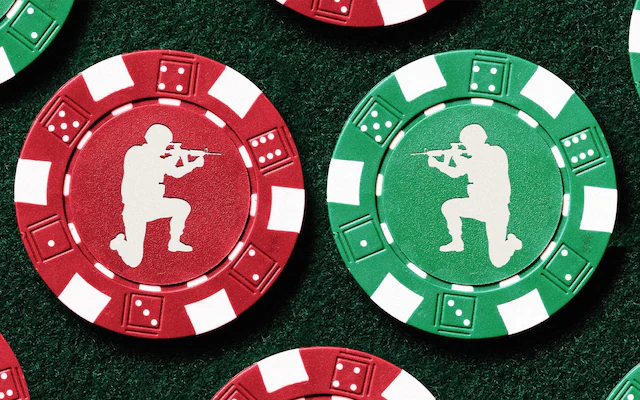
Death bets and war are a very dark part of human history where people actually bet money or goods on who will win a battle or how many people will die in a specific war. It sounds very cold and mean but for hundreds of years soldiers and even regular people in the cities have used these Death bets and war as a way to deal with the fear of the unknown during times of great trouble. If you look back at the old wars in Europe or even the modern conflicts in the Middle East today you will find that some people see the battlefield like a giant chess game where they can make a profit from the blood and the tears of others. This Death bets and war habit is not just something from the past but it has moved into the digital world where some websites allow people to gamble on the outcomes of geopolitical events which is a very controversial thing to do in 2026.
Read Also: Secret AI campaigns using chatbots to spread lies and hate now
Why People Participate in Death Wagers During Hard Times
One of the main reasons people get involved in Death bets and war is because they feel like they have no control over the big events happening in their country. By making Death bets and war they feel like they are part of the action or that they can at least get some money back if their whole world is falling apart around them. It is a very strange way of thinking but psychologists say that Death bets and war act as a shield against the stress of reality because it turns a tragedy into a game with numbers and odds. In some historical cases even the generals and the high-ranking officers would engage in death wagers with each other to show how confident they were in their own plans for the next morning. This shows that the human mind can become very hard and detached when it is surrounded by violence for a long time.
The Ethics and Morality of Death Wagers
Most people would agree that Death bets and war are morally wrong because they turn the loss of human life into a source of entertainment or financial gain. When you make Death bets and waron whether a city will be bombed or if a leader will be assassinated you are basically hoping for a specific disaster to happen so that you can win your bet. This is why many religions and governments have tried to ban any form of Death bets and war throughout history saying that it destroys the value of life and makes society more violent. Even in the modern era where we have sports betting on every phone the idea of Death bets and war is still seen as a line that should never be crossed by a civilized person. It represents the darkest side of our curiosity where we watch the suffering of others through the lens of a gambler.
Read Also: Apple Budget Laptop: How the MacBook Neo is Changing Tech
Death Wagers in the Age of Social Media and Tech
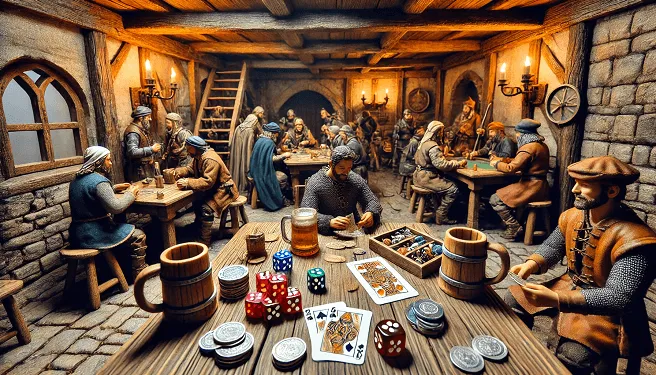
Today the death wagers have changed their face and they often look like “prediction markets” where users buy shares in the outcome of a political crisis or a border dispute. While the companies say this is just “data collection” many critics argue that it is just a high-tech version of the old death wagers that were done in the back alleys of the 19th century. These apps make it very easy to participate in death wagers from your bedroom which means that a teenager in a peaceful country could be making money from a tragedy in a place they have never visited. This distance makes the death wagers feel less real but the impact on the global spirit is still very negative because it encourages people to look at war as just another data point on a screen.
How Different Cultures View These Kinds of Bets
It is interesting to note that not every culture looks at death wagers in the same way because some ancient societies saw it as a way to predict the will of the gods. They believed that if you won your death wagers it meant that the heavens were on your side and that your cause was just and right. However as the world became more modern the view on death wagers changed to focus more on the human suffering and the cost of the weapons and the lives lost. In the Somali culture for example where life and peace are highly valued the idea of making death wagers on the blood of brothers is seen as a great sin and a shame on the family. Most people in our communities prefer to pray for peace and safety rather than looking for a way to profit from the chaos that destroys homes and futures.
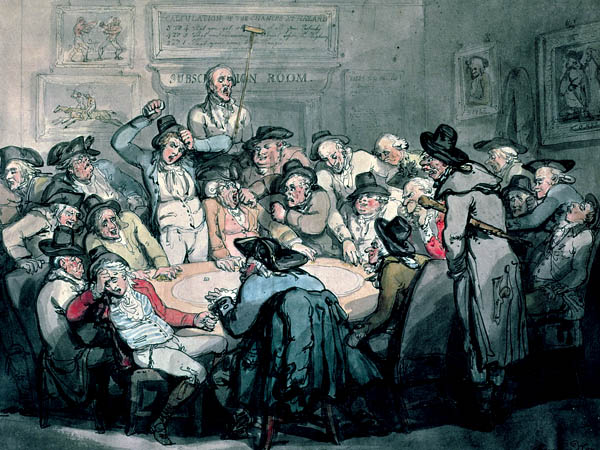
Final Thoughts on a Dangerous Game
In the end we have to ask ourselves what kind of world we want to live in where someone can make death wagers while others are fighting for their very existence. The history of these bets shows us that human nature can be very complex and sometimes very cruel when money is involved. We should all work to educate the next generation that war is not a game and that there are no winners in death wagers because the cost is always too high for everyone involved.
Read Also: AI Disinformation Tools: Fueling the Iran Information War
Let us hope that as we get smarter and more connected we can leave these dark habits behind and focus on building a world where peace is the only thing we bet on. The true value of a person is not found in their bank account but in how much they care for the lives of others.