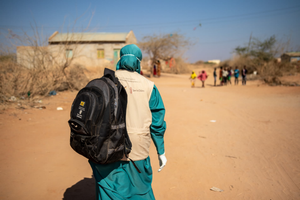



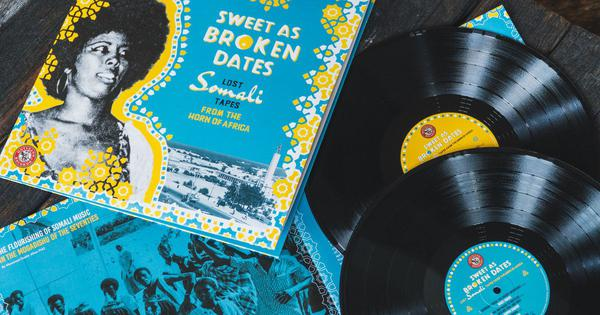
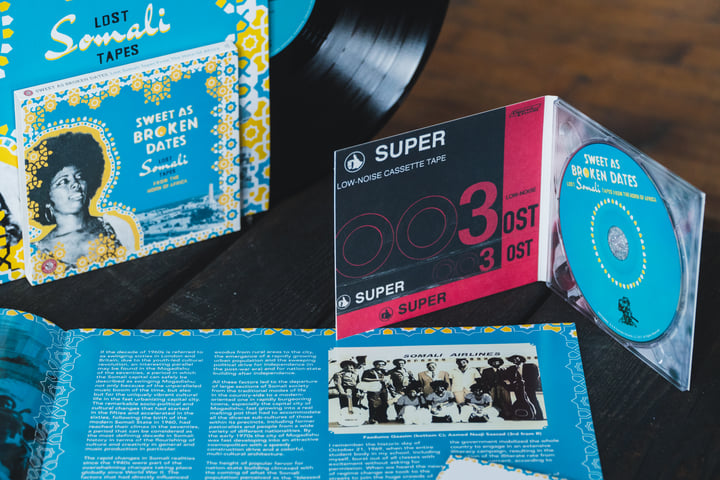
Somali Desert Music is something that many people in our country feel very proud of because it tells the story of our history and our nomads from hundreds of years ago. When you listen to the radio in 2026 you still hear the echoes of the Somali Desert Music that our grandfathers used to play under the stars while they watched their camels. This Somali Desert Music is unique because it uses natural things like wood and animal skin to make sounds that you cannot find anywhere else in the world. Many young people are now trying to learn how to play this Somali Desert Music because they want to keep our culture alive in a world that is becoming very digital and fast. It is amazing how a simple drum or a string instrument can bring a whole village together to dance and sing during a wedding or a big festival. Learning about the different types of Somali Desert Music is like taking a trip through the different regions of our land from the north to the south where every place has its own special rhythm.
Read Also: Social Media Culture: Digital Impact on Somali Traditions
The Most Famous Types of Somali Music Gear and Their Sounds
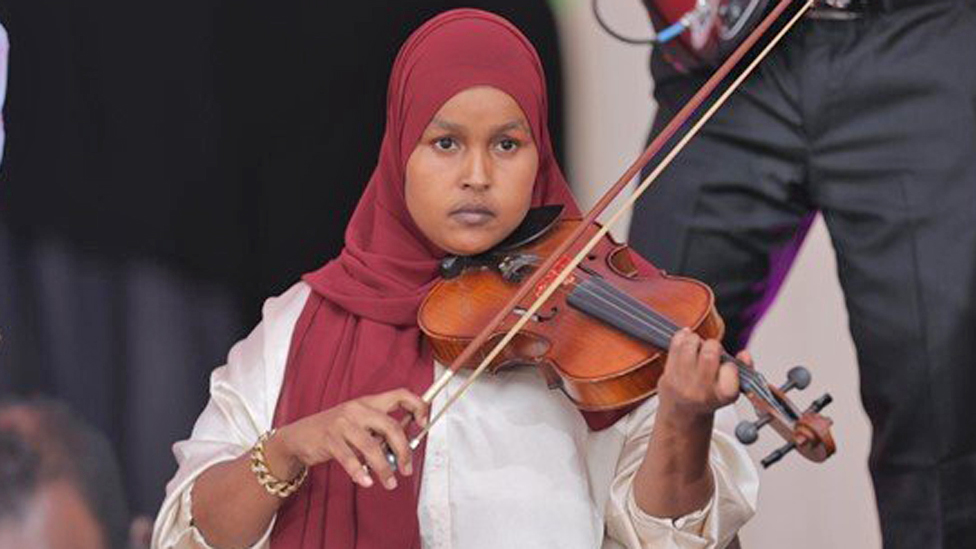
One of the most important pieces of Somali Desert Music is the Oud which is a beautiful wooden instrument with many strings that sounds like a soft guitar but much deeper and more emotional. This part of the Somali Desert Music family is used for the famous Qaraami songs that every Somali person loves to listen to when they want to feel relaxed. Another key piece of Somali Desert Music is the drum called the Durbaan which is made from a hollow piece of wood and goat skin stretched very tight across the top. The Durbaan is the heartbeat of all our dances and without this specific Somali Desert Music the party just doesn’t feel the same.
Read Also: Spiced Somali Tea: The Heart of Every Home
We also have the flute which is often called the Shambal and it is a simple piece of Somali music gear that shepherds use while they are out in the fields with their animals. It is a very peaceful sound that reminds everyone of the quiet life in the countryside and how the Somali music gear was first invented to mimic the sounds of the wind and the birds.
Why We Must Protect Our Somali Music Gear from Being Forgotten
As more people move to the big cities and start listening to modern pop music there is a risk that the knowledge of how to make Somali music gear will disappear. Making this Somali music gear requires a lot of skill and patience because you have to find the right wood and treat the leather in a very specific way so it doesn’t break. If we don’t teach the next generation how to build and repair the Somali music gear then we will lose a big part of who we are as a people. There are some new schools opening in Mogadishu that are focusing on teaching kids how to play the Oud and the Durbaan so that the Somali music gear stays in our homes for another hundred years.
It is not just about the noise but it is about the soul of our nation that is carried inside every piece of Somali music gear that we own. We should be happy to see that even in the modern world our traditional sounds are still being played at the biggest events and that the Somali music gear is being respected by musicians all over the world.
Read Also: Digital Culture Life: The Good and Bad of the Modern World
Final Thoughts on Our Cultural Treasure
We have to realize that our instruments are like our language and our poems because they hold our memories and our feelings. The Somali music gear we have today is a gift from our ancestors and it is our job to make sure it keeps playing for our children. Whether it is the loud bang of the drum or the sweet cry of the Oud the sound of Somalia is something that will never get old or boring. Let’s make sure we support our local musicians and craftsmen who spend their lives working with this beautiful gear so that our culture stays strong and loud.