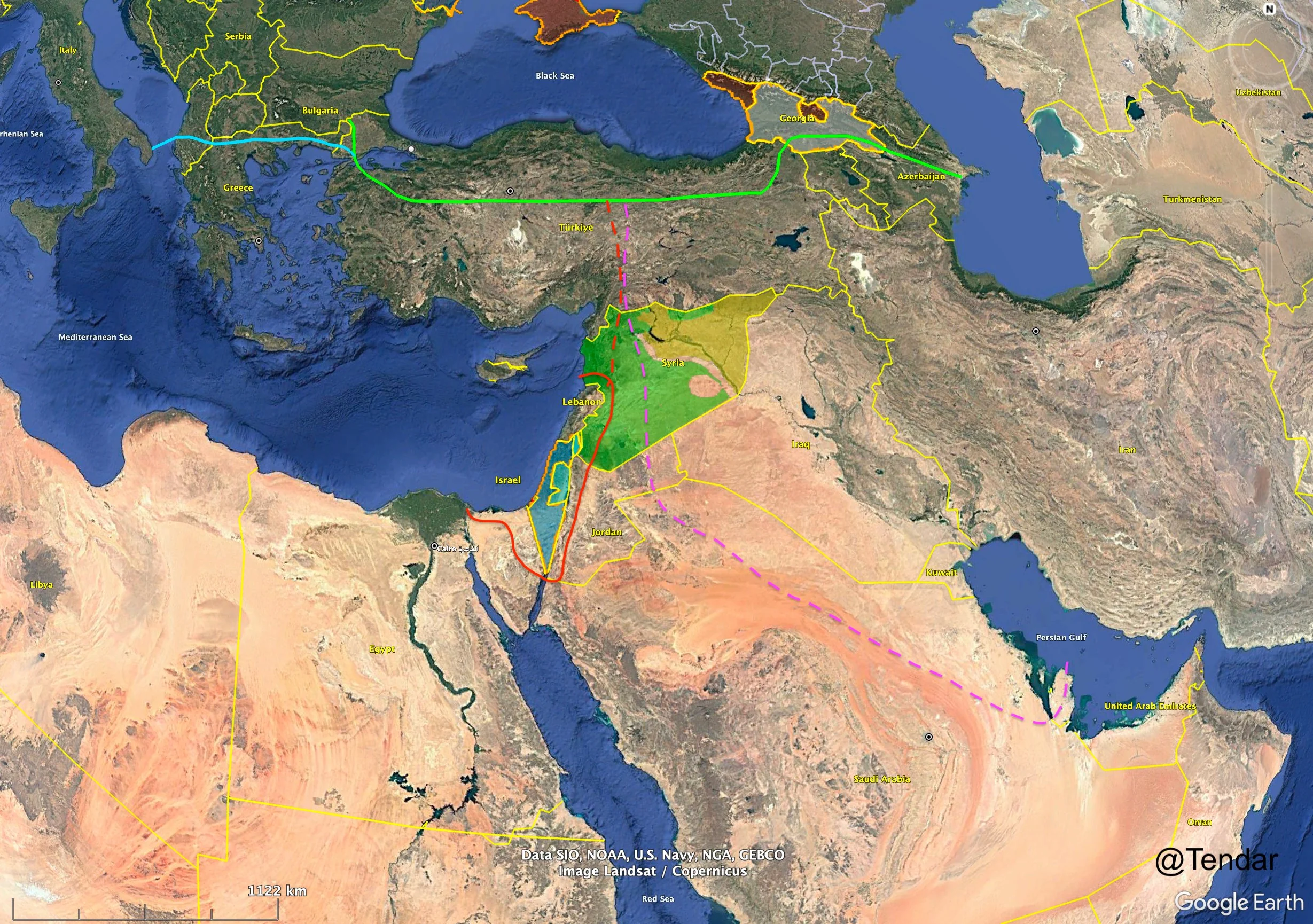



Global war prices are the main reason why many families in 2026 are finding it so hard to pay for their basic needs like bread and electricity and rent. Even if the fighting is happening thousands of miles away from your house it still reaches your pocket through the things you buy every day at the local shop. This global war prices effect happens because the world is so connected now that when a big country that grows wheat or pumps oil gets into a conflict the whole supply chain breaks down. When ships cannot travel safely through the seas and factories close because of the noise of bombs the cost of moving goods goes up very fast and the companies pass those extra costs to the regular people. It is a very sad situation where the most vulnerable people in Africa and Asia suffer from global war prices even though they have nothing to do with the decisions made by the generals and the politicians in the war zones. We are seeing that peace is not just about safety but it is about being able to afford a decent life for our children without worrying about the price of a liter of oil doubling overnight.
Read Also: Global Energy Shock? Rising Tensions Ignite Energy Markets
The Hidden Impact of Global War Prices on Food and Fuel
One of the biggest drivers of global war Costs is the cost of energy because every truck and plane needs fuel to bring products to the market. When a war starts the big oil companies get nervous and they raise their rates which means the farmer has to pay more to run his tractor and the baker has to pay more to heat his oven. This creates a chain reaction where global war Costs show up in the price of a single loaf of bread or a bag of rice in a village far away. In early 2026 we noticed that the global war prices for fertilizer also went up because the chemicals needed to make it come from countries that are currently blocked by sanctions or fighting. Without cheap fertilizer the crops don’t grow as well and that leads to even less food on the shelves which keeps the global war prices high for a very long time. It is a cycle of struggle that makes it feel like the whole world is paying a tax for a war they didn’t ask for.
Why Global War Prices Stay High Even After the Fighting Stops
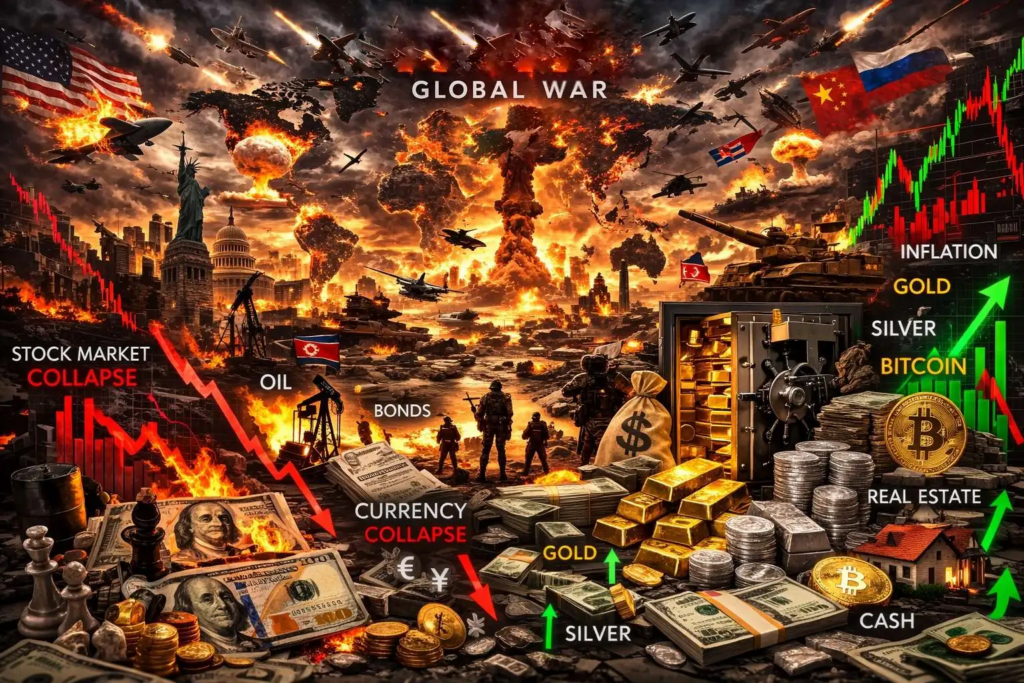
Many people think that as soon as a ceasefire is signed the global war Costs will go back down to normal but the truth is much more complicated than that. It takes years to fix the broken roads and the destroyed ports that are needed to keep the trade moving smoothly again so the global war Costs tend to stick around like a bad smell. Investors and banks are also scared to put their money back into those regions which means the local currency loses its value and makes the global war Costs feel even heavier for the local citizens. This global war Costs pressure forces many governments to spend their budget on subsidies instead of building new schools or hospitals which hurts the development of the nation for decades. We have to realize that the global war Costs are a long-term problem that requires everyone to work together to find new ways to produce what we need locally.
Read Also: US Oil Permit: Russian Tankers Back on the Move
Final Thoughts on Surviving a World of Expensive Goods
In the end we have to be very careful with our money and find ways to help each other out during these times of high global war prices across the globe. We should try to support our local farmers and buy things that are made close to home to avoid the extra costs that come from the global war prices in the international shipping lanes.

Read Also: Drone swarm attack: how the US used Iran’s tactics back
The world is going through a very tough test right now and it is only through patience and smart planning that we can protect our families from the worst parts of the global war prices inflation. Let’s hope that the leaders find a way to talk and bring some stability back to our lives so that the next time we go to the market we don’t have to feel a sense of fear at the total on the receipt.