

The Iranian-Brotherhood Intersection represents a pragmatic but dangerous alliance that directly challenges the stability of Arab nations today. This relationship is built on shared interests rather than shared beliefs, which makes it even more complicated for security experts to track. Since 1928, the Brotherhood has viewed itself as a global movement that does not care about geographic borders. This “global message” creates a huge problem for the modern state because the group’s loyalty is always to its international network rather than the country where its members actually live.
Read Also: Fair peace deal: Can Trump end the Iran conflict?
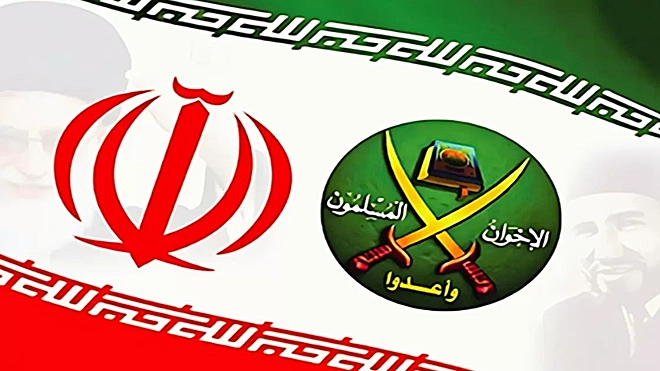
The Iranian-Brotherhood Intersection: From Reform to Radicalism
The history of this movement shows how a group that started with social work quickly turned toward power and control. A major reason for this shift was the writing of Sayyid Qutb, specifically his book “Milestones.” He argued that any society not following his specific religious view was “ignorant,” which basically gave his followers permission to declare war on their own communities. The Iranian-Brotherhood Intersection thrives on this kind of radical thought because it weakens the traditional idea of a nation-state. By using old historical fatwas out of context, they have created a path for extremist groups that choose violence over peace.
This mindset creates a massive gap between the group and the rest of society. They believe in “Tamkeen,” or empowerment, which is a plan to take over institutions and rebuild them according to their own ideology. This isn’t just about religion; it is a full political project. In countries like Egypt, this has led to decades of blood and conflict. Even when some members try to be more “moderate” by talking about democracy, the core of the group remains stuck in these radical ideas.
Read Also: How Iran war losses may reshape Middle East future
Why Arab States are Taking Action
Many Arab governments now see The Iranian-Brotherhood Intersection as a tool for regional powers to interfere in their internal affairs. These states have started to ban the group and label it a terrorist organization because they see it as a “state within a state.” The group often creates secret cells or “sleeping cells” that wait for the right moment to cause chaos. This makes them a perfect tool for outside players who want to destabilize the region for their own benefit.
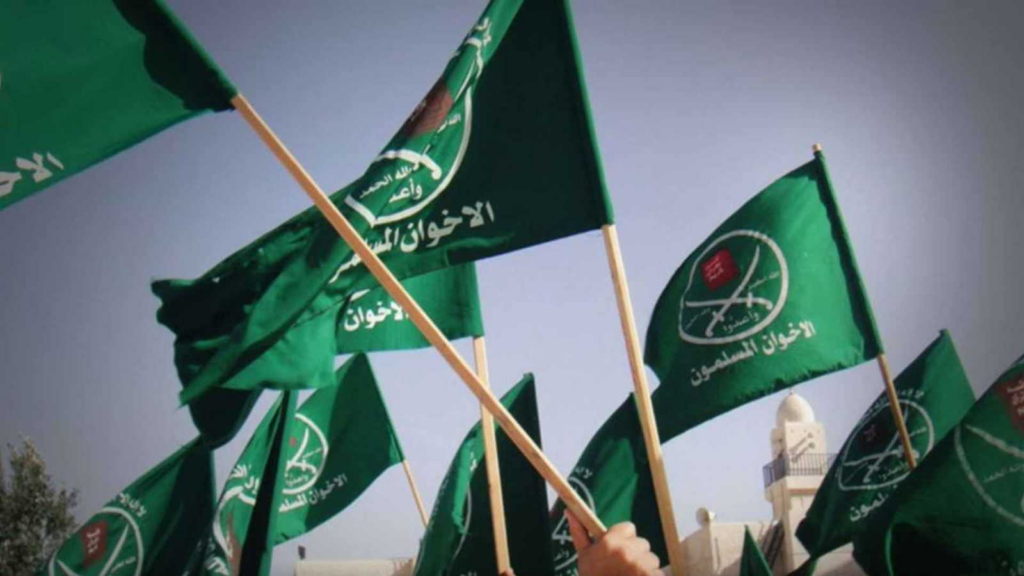
Today, the group is in a very difficult position. They are facing legal bans, security crackdowns, and a loss of support from the public.
Read Also: Does Trump mean the end of Iran’s standoff over Hormuz?
They have to choose between sticking to their alliances with places like Iran or trying to change their ways to survive. However, for most people in the region,
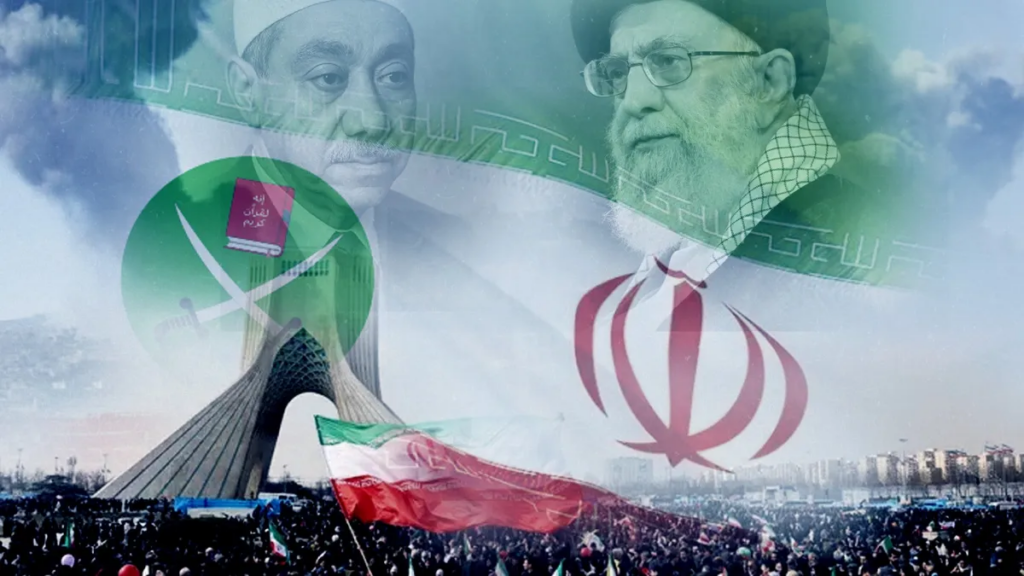
the priority is clear. National security and the safety of the people must come before any cross-border political goals. The Iranian-Brotherhood Intersection has shown that when ideology meets outside interest, the result is usually more division and less peace for the average citizen.