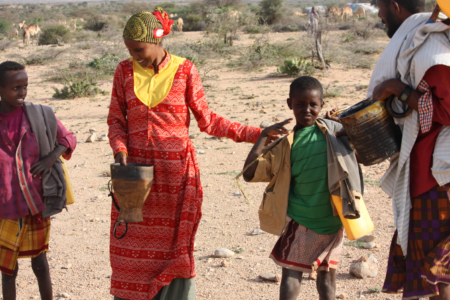



Somali art traditions have always been the heartbeat of the people across the Horn of Africa. For centuries these creative expressions have acted like a mirror for the soul of the nation. Even when things got really hard with wars or when people had to move far away to different countries the creative spirit never really stopped. It is not just about making something pretty to look at but it is about keeping a history that was mostly spoken rather than written down for a very long time.
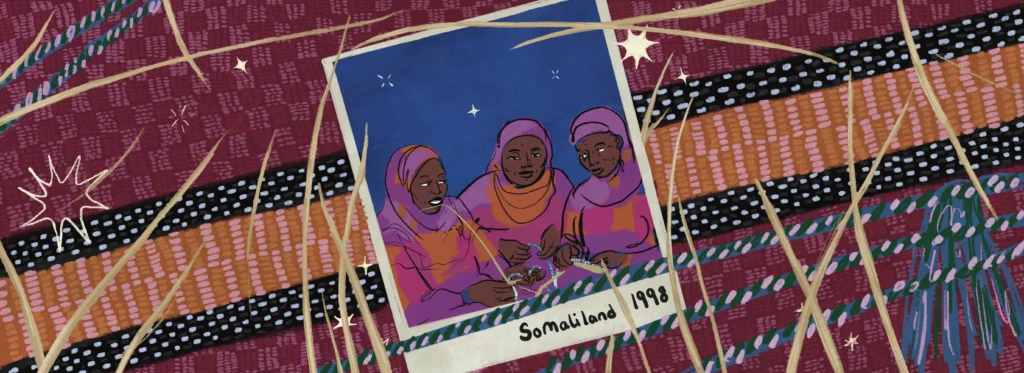
Read Also: Why is Somali Oral Tradition so Important ?
Somali art traditions and the power of words
You cannot talk about this topic without talking about poetry. In many places people call Somalia a nation of poets. This is because poems were used for everything from settling big arguments between tribes to telling stories about love. When a poet stands up and speaks they are using Somali art traditions to remind everyone who they are and where they came from. The language itself is a piece of art and by keeping the old ways of speaking alive the youth learn the values of their ancestors. This oral art form is the strongest shield against losing their identity in a fast changing world.
Read Also: Somali food culture and its journey through time
Crafting a visual history
While words are huge the things people make with their hands are just as important. Think about the beautiful woven baskets called “xeero” or the wooden milk containers that are carved with so much detail. These objects are part of Somali art traditions that connect mothers to daughters and fathers to sons. When a woman weaves a mat she is using patterns that have been in her family for hundreds of years. Each shape and color means something specific about her life or her clan. This visual language helps people recognize their roots even if they are living in a big city in Europe or America.
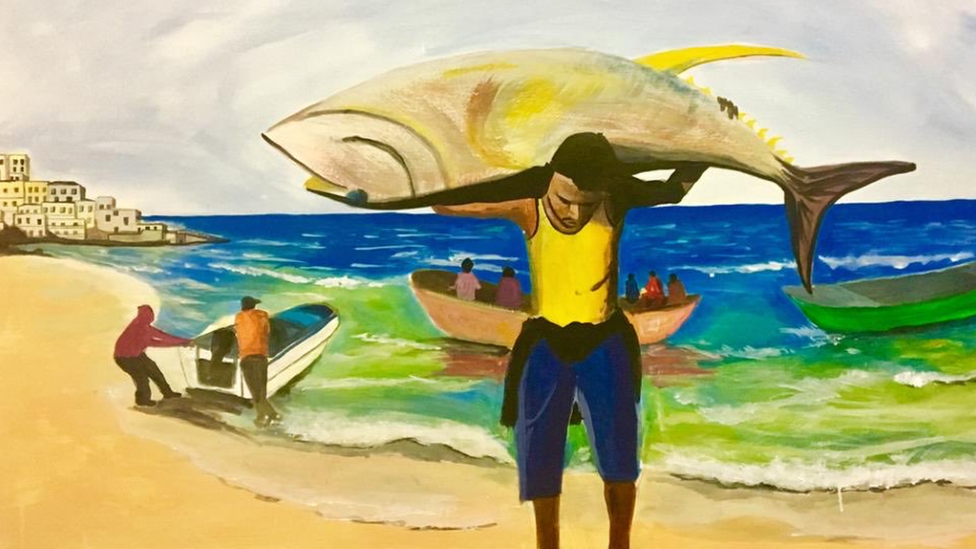
- Handicrafts: They show the nomadic lifestyle and how people adapted to the land.
- Henna Designs: These are not just for weddings but are a way for women to express their social status and joy.
- Clothing: The way a “dirac” or “macawiis” is worn tells a story about the weather and the occasion.
Music as a bridge between generations
Music is another way Somali art traditions stay strong today. If you listen to old songs from the 1970s which was like a golden age for music in the country you hear a mix of traditional sounds and modern instruments. Today young artists in the diaspora are taking those old melodies and mixing them with things like hip hop or pop. By doing this they are making sure that Somali art traditions do not just stay in the past like a museum piece. They are making the culture cool for the next generation so they don’t forget their language.
Facing the challenges of the modern world
It is not always easy to keep these things going. When people move to new countries they often feel pressure to blend in and forget their old ways. However we see that Somali art traditions actually help people feel less lonely. Festivals and art galleries focused on Somali heritage are popping up everywhere from London to Minneapolis. These events use Somali art traditions to show the rest of the world that their culture is about much more than just the bad news they see on TV. It is about beauty and resilience.
Read Also: The somali culture secrets and why is it so misunderstood?
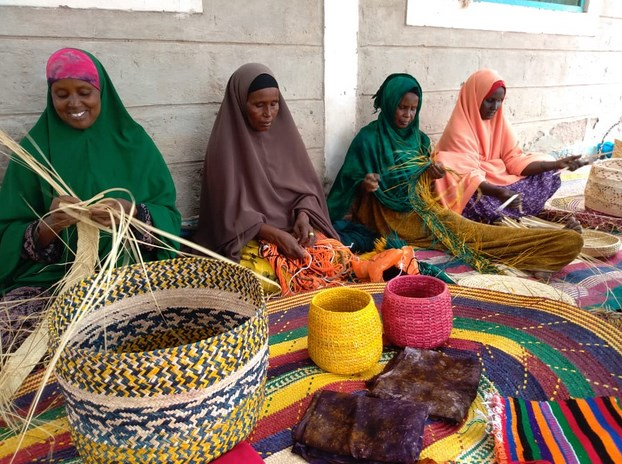
In the end the way Somali art traditions work is by being flexible. The art changes a little bit to fit the new times but the core message stays the same. Whether it is a painting of a camel in the desert or a new song about the struggle of living far from home it all serves one goal. That goal is to make sure the world knows that the Somali spirit is alive and well. As long as there is someone to sing a song or weave a basket Somali art traditions will continue to protect the identity of this proud group of people for many years to come.