


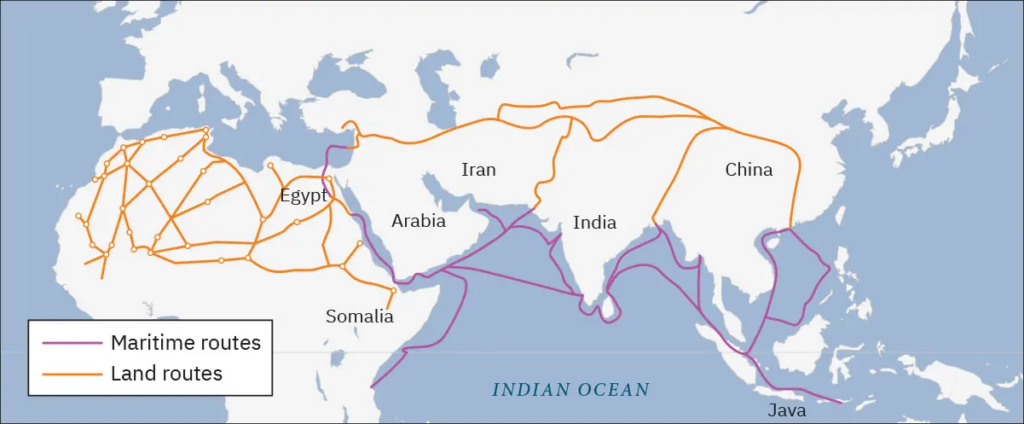
Somali trade routes played a massive role in shaping the history of global commerce for thousands of years. Long before modern shipping containers and giant digital navigation systems existed sailor merchants from the Horn of Africa were master navigators who knew how to use seasonal winds to cross deep waters. They built large wooden ships that carried valuable items to distant lands and brought back goods that changed the local lifestyle completely. Because of this strategic location connecting the Red Sea to the wide open ocean these ancient Somali trade routes became the ultimate bridge between different civilizations and cultures.
Read Also: Somali Holiday Food Unites Families in Celebration
Connecting with the Arabian Peninsula and India
The closest and most important business partners for merchants along the coast were always the kingdoms of Arabia and the wealthy cities of India. Somali sailors used the monsoon winds to travel north and east every single year with ships full of local treasures.
- Frankincense and Myrrh: These aromatic resins were highly prized in Arabian temples and palaces for religious ceremonies and medicine.
- Exotic Animals: Wealthy kings in India and the Middle East loved buying lions cheetahs and giraffe skins to show off their power.
- Spices and Textiles: In return Somali merchants brought back beautiful silk clothes sharp iron weapons and delicious spices that locals could not grow at home.
This constant exchange of goods also meant an exchange of ideas languages and beliefs. It is exactly how coastal towns developed a unique culture that mixed local African traditions with Arabian and Asian influences. These busy ancient Somali trade routes ensured that the coastal people were always wealthy and aware of world events happening thousands of miles away.
The Massive Importance of Historic Port Cities
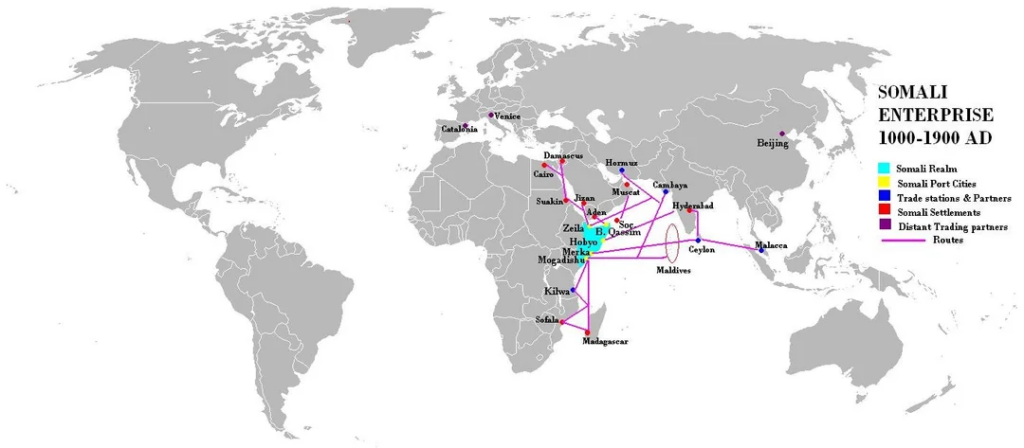
To keep this international business running smoothly the coast developed some of the most famous and powerful port cities in ancient history. Places like Zeila Berbera and Mogadishu were not just small fishing villages but giant commercial hubs filled with stone houses markets and international visitors.
When foreign travelers from Rome Greece or China visited these places they wrote down stories about how rich and organized the markets were. Mogadishu for example became so famous for its woven fabrics that people across Egypt and Persia bought them for high prices. The growth of these ports proves that ancient Somali trade§ routes were not accidental but the result of very smart planning and excellent business skills.
Read Also: Why is Somali language heritage so unique in the Horn of Africa?
Expanding Wealth into East Africa and Beyond
The business network did not just look across the ocean it also went deep into the southern parts of the African continent. Ports along the coast acted as middle points where items from the African interior were collected before being shipped out to global buyers.
- Gold and Ivory: These luxury items came from southern kingdoms and were highly desired by artists in India and Europe.
- Timber and Wood: Strong mangrove wood from East African rivers was exported to Arabia where trees were scarce to build houses and boats.
Because they controlled the entries to these rich resources the coastal cities grew even more powerful during the medieval period. Every single map created by ancient geographers highlighted these ports because they knew that ancient Somali trade routes were the only way to access the riches of East Africa safely and quickly.
The Enduring Legacy of the Old Sea Merchants
Even though global politics and trade systems changed completely when European ships arrived in the Indian Ocean later on the memory of this golden age never truly disappeared. The ruins of old stone mosques palaces and marketplaces still stand today along the beautiful coastline showing just how rich these societies used to be.
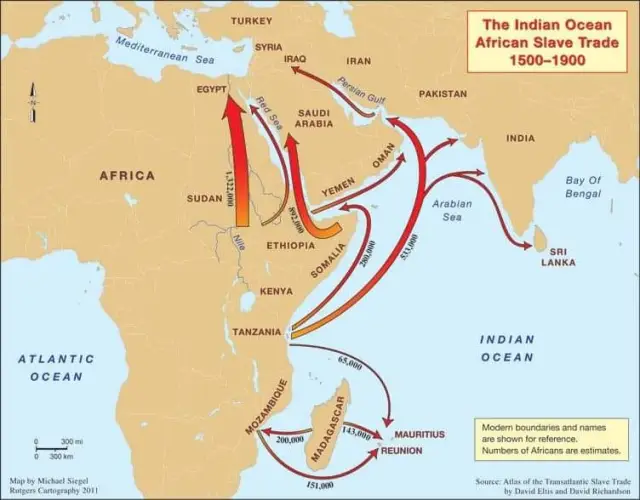
Understanding this past helps us see that the region was never isolated from the rest of the world. Instead the old sailors used their geographic advantage to build a massive commercial empire that everyone respected. Those ancient Somali trade routes created a legacy of business smarts and international connection that still defines the spirit of the coastal communities today.