



Fakhr al-Din mosque is an absolute treasure sitting in the heart of the old Hamar Weyne neighborhood of Mogadishu showing everyone how deep the Islamic roots are in East Africa. Many people think that the coastal cities of Somalia only became busy trading hubs in recent times but this beautiful stone structure proves that a rich civilization was thriving here nearly a thousand years ago.
Built back in the thirteenth century by the first sultan of the region the building stands as a solid witness to the golden age of maritime commerce when rich traders traveled across the blue ocean waves. Today the Fakhr al-Din mosque remains a proud active place of worship where local citizens still gather every single day to perform their holy prayers and connect with the spirits of their ancestors.
Read Also: Lido Beach Mogadishu Coast: 5 Things You Don’t Know About It
The unique coastal architecture of the Fakhr al-Din mosque
When you walk close to the walls of the Fakhr al Din mosque you will immediately notice the incredible building materials that were selected by the ancient Somali stonemasons. The entire structure was built using heavy coral stones harvested from the nearby sea mixed with local limestone to create a solid shield that can survive the humid salty breeze of the Indian Ocean.
This specific Fakhr al Din mosque building technique is a masterpiece of local architecture because coral stone is very easy to cut when it is wet but it becomes as hard as iron once it dries under the hot sun. The ancient builders did not use modern concrete or steel bars but their smart design has allowed the heavy roof and columns of the Fakhr al Din mosque to stay standing straight through centuries of heavy tropical storms and wars.
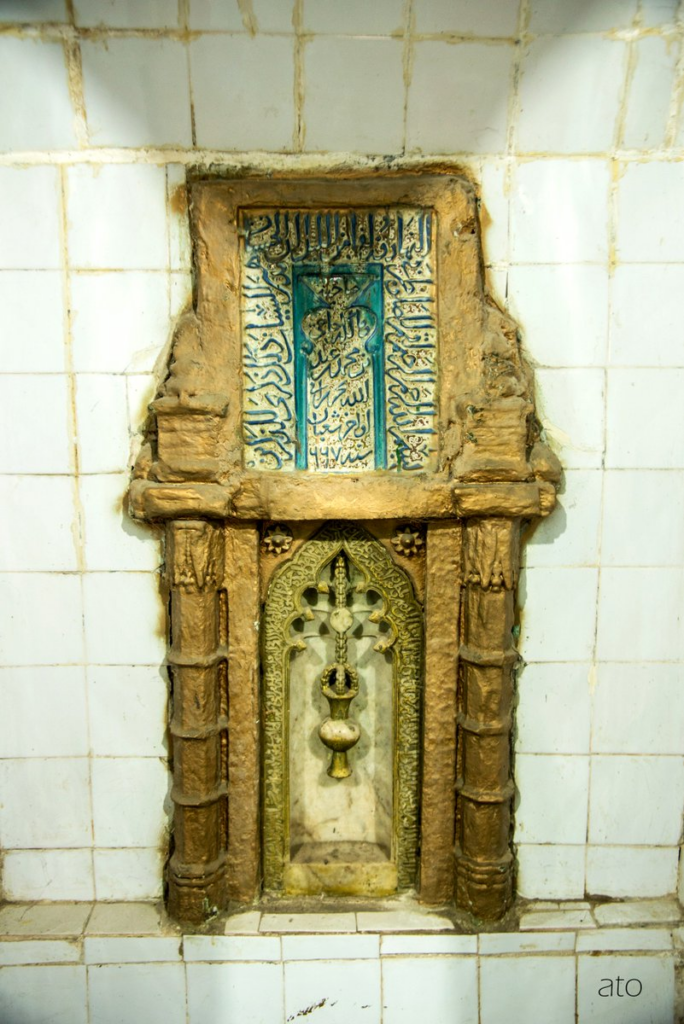
Another beautiful feature inside the Fakhr al Din mosque is the magnificent prayer niche or mihrab which points directly toward the holy city of Mecca. This central section of the Fakhr al Din mosque is decorated with incredibly rare and expensive glazed tiles and beautiful marble pieces that were brought by sailing ships all the way from ancient Persia and China.
This artistic mixing shows that the local sultanate was not isolated from the world but was a highly respected partner in the global trade networks of the old world. The fine Arabic calligraphy carved smoothly into the white stone walls of the Fakhr al-Din mosque tells the stories of the generous kings who spent their wealth to make the house of God look beautiful for the community.
Read Also: Traditional Somali Games Keep Children Active and Teach Values
Protecting the holy legacy of the Fakhr al-Din mosque today
The historical survival of the Fakhr al Din mosque is a real miracle because the city of Mogadishu has faced a massive amount of conflict and street fighting over the last few decades. While many modern office buildings and houses were completely destroyed by rockets and heavy bullets this holy sanctuary managed to escape total destruction because the local residents protected the Fakhr al-Din mosque with their lives.
They realized that losing the Fakhr al-Din mosque would mean losing a piece of their true identity and cultural soul which can never be replaced by new concrete blocks. Local elders and volunteers take great care of the interior of the Fakhr al-Din mosque cleaning the old mats and painting the outer walls regularly to keep the historical look alive for their children.
Other historical prayer houses surrounding the Fakhr al-Din mosque zone
The old town of Mogadishu is actually filled with several other ancient structures that share the long historical journey of the Fakhr al Din mosque in the region. For example the famous Arba’a Rukun mosque which sits just a short walk away from the Fakhr al Din mosque was built around the exact same historical era and features a beautiful dark minaret that looks like a protective defensive tower.
These close structures prove that the old capital was a major center for Islamic learning and science attracting students and religious teachers from all over the Arab world and Africa. Walking through the narrow dusty alleys between these holy sites and the Fakhr al Din mosque feels like traveling back in a time machine to an era when peace trade and beautiful art ruled the coast.
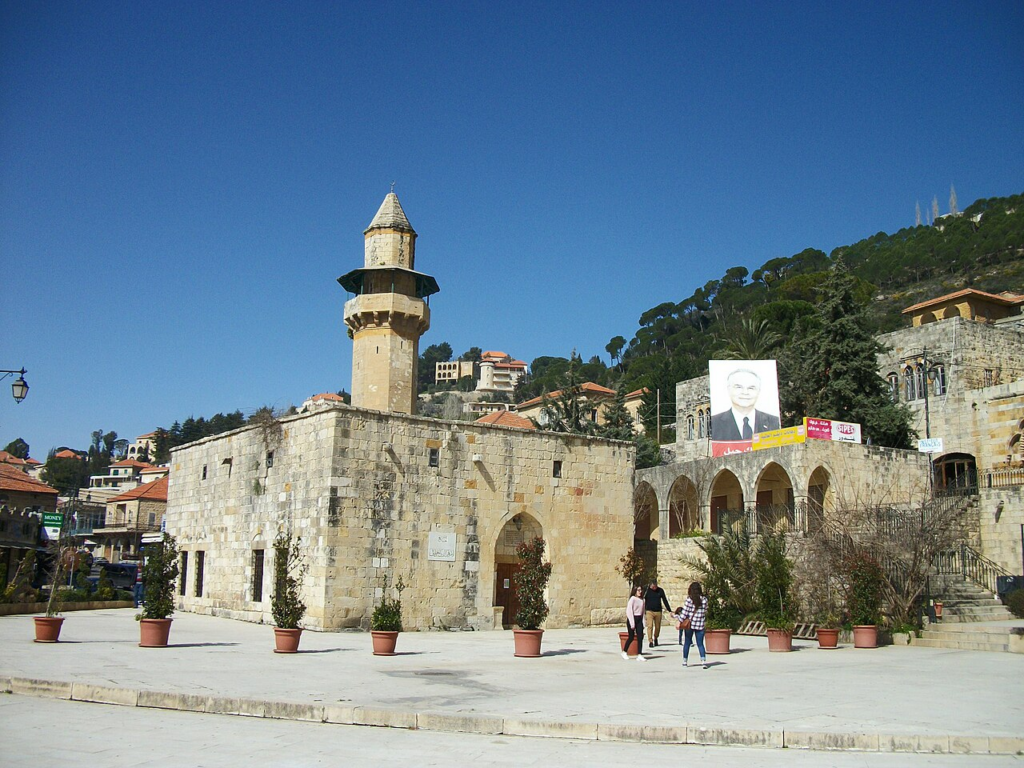
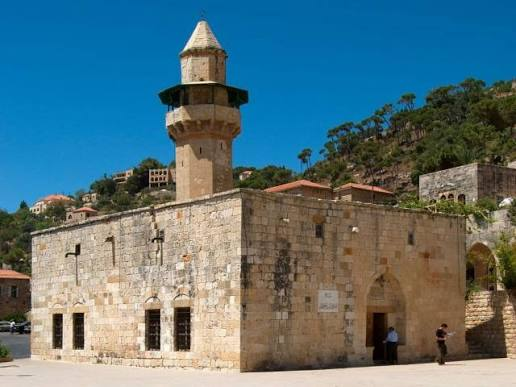
To ensure that the Fakhr al-Din mosque stays safe for another thousand years the local tourism authorities and international heritage groups need to work together on a serious restoration project. The salty ocean air is slowly eating away the ancient coral carvings of the Fakhr al-Din mosque and some of the delicate roof tiles need urgent repairs to prevent rainwater from leaking inside the main hall.
Investing money to protect these old stones will not only preserve history but it can also attract thousands of global tourists and historians to the country once the security situation becomes fully stable. Showing the world the beautiful peaceful side of our history is the best way to change the bad image that modern news channels always broadcast about our homeland.
Read Also: Somali Visual Expression Reflects Heritage and Modern Change
In conclusion the glorious presence of the Fakhr al-Din mosque proves that the capital of Somalia holds a deeply respectable place in the history of global Islamic civilization. We must stop viewing our cities as just places of modern trouble and start remembering the great kings artists and builders who left us these beautiful stone gifts. By studying the clever architecture and international connections of our ancestors the younger generation can find the inspiration they need to rebuild their country with pride. Do not let the dust of time cover these ancient walls because a nation that knows how to respect its rich past will always find the right path to a bright and successful future.