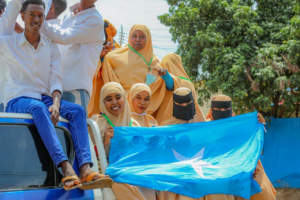


Somali visual expression is a beautiful part of culture that many people around the world do not know much about because they mostly hear about local poetry and stories. For hundreds of years people in this region have used beautiful colors wood carvings and woven fabrics to share their thoughts and decorate their homes. This unique creativity connects the past with the present and shows how local communities find beauty in their everyday lives. Today the way people create things is changing fast as a new generation of creators tries to tell modern stories while keeping their old identity alive.
Read Also: Traditional Folk Music Preserves Heritage for Young Generations
The amazing detail in old carvings and everyday designs
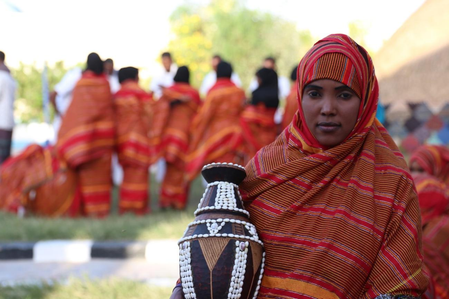
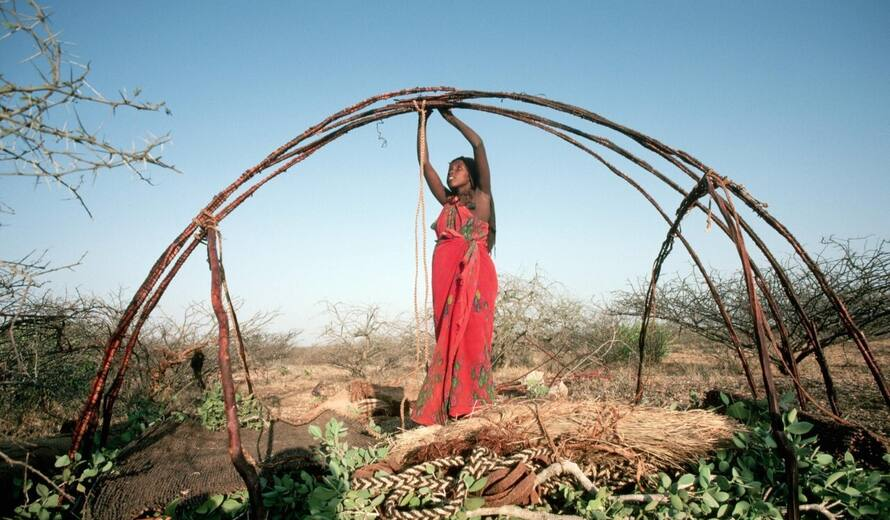
When you explore the history of this traditional creativity you will find that geometric shapes and long lines are very common in every village. Local craftsmen became famous for making beautiful milk containers headrests and wooden doors that feature very complex patterns carved by hand.
Because historical traditions in the area did not encourage drawing realistic human faces or animals creators focused completely on making perfect symmetrical patterns instead. These detailed decorations are not just for show because each specific line style can tell you which town or family group made the object. Women also hold a very important place in this history by weaving colorful mats and textiles using natural dyes made from local plants and roots.
Somali visual expression grows through new contemporary paintings
In recent times the style of making things has opened up a lot as young painters started using big canvases and modern paints to show their daily experiences. These contemporary creators are using their skills to look at both the peaceful nomadic past and the hard memories of recent conflicts.
- Bright paintings that show camel herds walking through beautiful desert sunrises
- Street murals that focus on rebuilding broken cities and celebrating peace
- Abstract pieces that try to show how it feels to live far away from your homeland
Somali visual expression is giving young people a voice to talk about their hopes and fears while keeping a strong connection to their roots. You can see these new paintings appearing on the walls of public buildings and in small independent galleries where people gather to discuss culture.
Read Also: Six incredible Somali tourism spots that you need to visit
The daily struggles that local creators face every year
Somali visual expression faces many hard challenges today because there are very few proper art colleges or museums to support local talent in the country. Most painters and sculptors have to spend a lot of money to buy imported brushes and paints from neighboring nations.
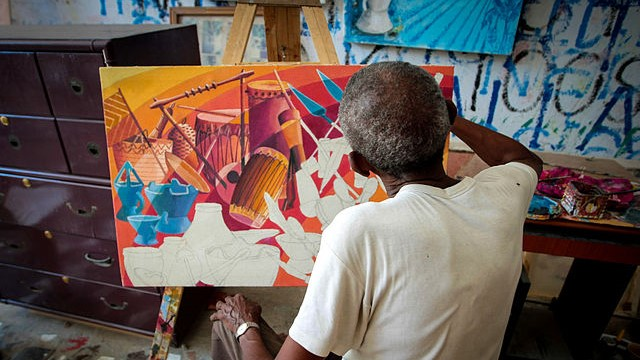
Despite these difficult economic conditions many self taught individuals keep working every single day because they feel a deep duty to save their heritage. They use internet platforms like Instagram to show their artwork to global audiences and find international buyers who love their unique style.
Why keeping these artistic traditions alive is so important
Somali visual expression is something that schools and community centers should protect because it gives people a sense of pride after many years of trouble. When kids learn how to draw these traditional shapes they are holding onto their history and discovering how to express their emotions peacefully.
Many local groups are now trying to organize small weekend classes for children so they can practice sketching from a very young age. This educational work is highly valuable because Somali visual expression can bring divided communities together and help people heal through shared beauty.
Read Also: Somali Holiday Food Unites Families in Celebration
When you look at a modern painting that combines old geometric patterns with bright contemporary colors you see that
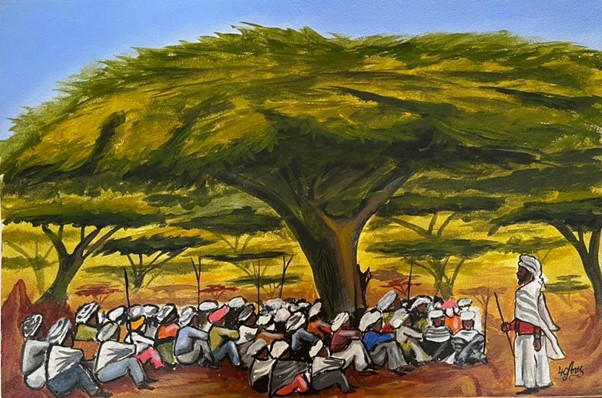
Somali visual expression is constantly moving forward. It is a living movement that proves the resilience of the people and helps them dream of a better future. Ultimately Somali visual expression will always remain a true mirror for the spirit and strength of the culture no matter what challenges come next.