



Laas Geel Cave Paintings represent one of the most magnificent and beautiful ancient art sites in the entire continent of Africa. Tucked away in the rural hills near Hargeisa in Somaliland this breathtaking location contains drawings that are thousands of years old. Local people knew about the caves for a long time but international scientists only discovered them around the year 2002. Since then historians and tourists from different countries travel to this remote desert area to see the wonderful pictures left behind by ancient humans.
Read Also: Saad Din Island Beach is a Hidden Historic Paradise
Understanding the Laas Geel Cave Paintings Artwork
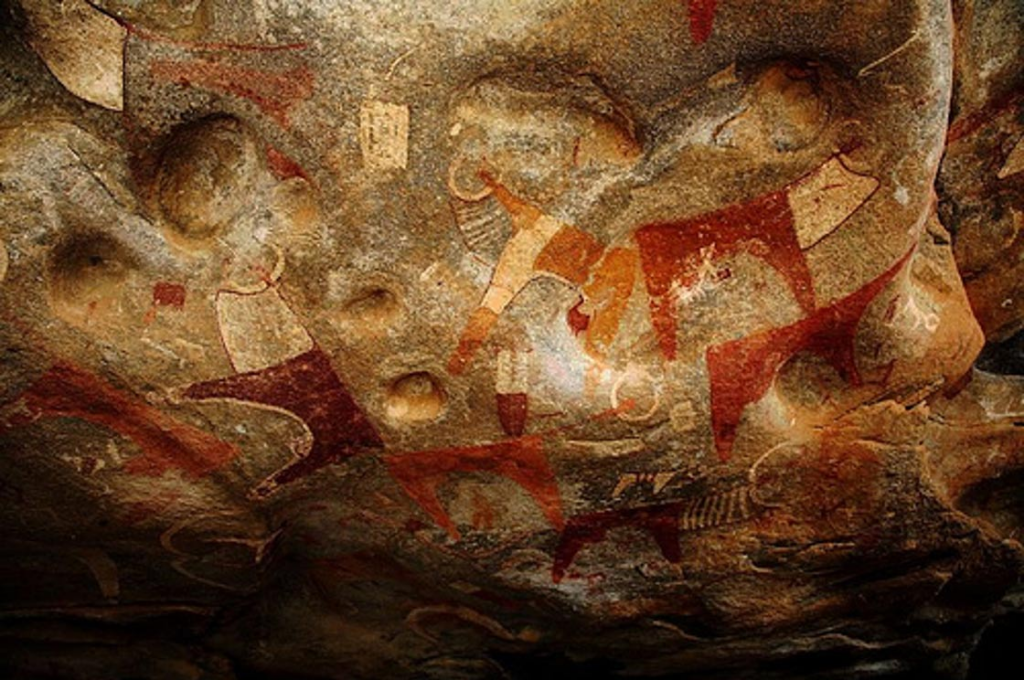
When you enter the stone complex the first thing that surprises you about Cave Paintings is how bright the colors still look today. Even though the art was created between five thousand and eleven thousand years ago the red orange and white paints are incredibly clear. The ancient artists used natural minerals and animal fats to create a special paint mixture that survived the heat and wind for centuries. It is truly amazing that these outdoor stone shelters kept the artwork safe without any modern protection.
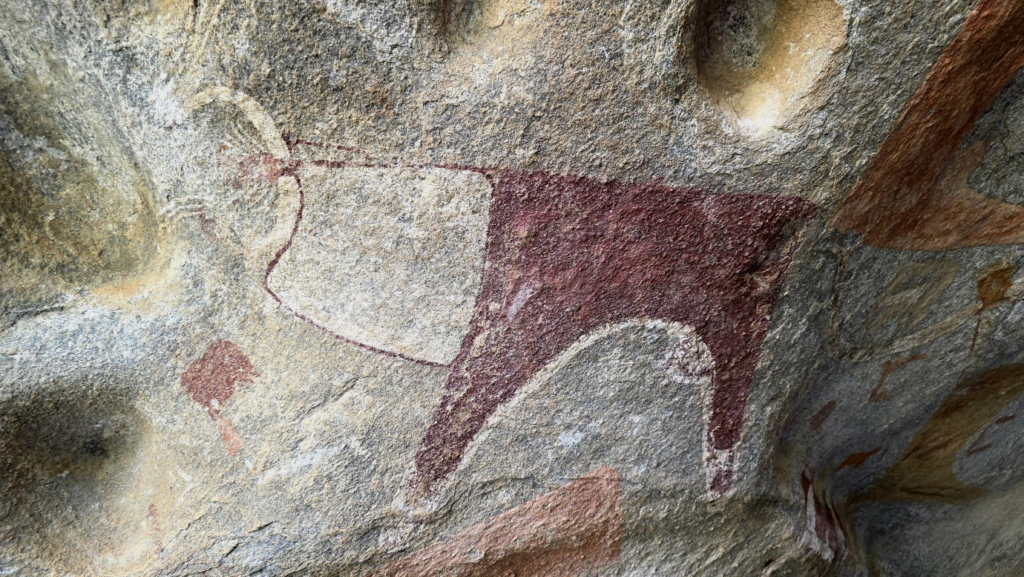
The main subject of the Laas Geel Cave Paintings is livestock particularly cows with large horns and decorated necks. In many drawings you can see humans standing next to the animals or bowing down to them which shows that cows were highly respected in their daily life. There are also drawings of domestic dogs wild giraffes and monkeys which gives us a clear picture of the environment back then. Studying the Laas Geel Cave Paintings helps scientists understand how the weather and animal life changed in East Africa over thousands of years.
- The vibrant red and white paint colors have survived naturally for thousands of years
- Most drawings show large cows with strange neck decorations and human figures
- The caves provide a rare look into the lives of ancient cattle herders in Africa
Why Tourists Love the Laas Geel Cave Paintings Site
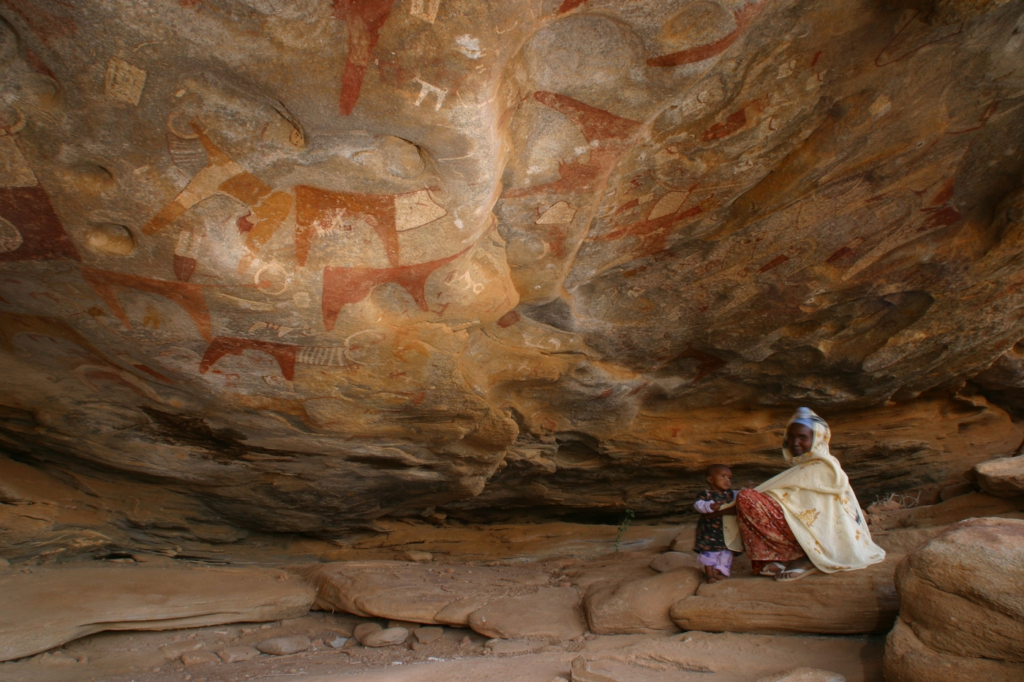
Visiting this historic hill is a very unique adventure because there are no big fences or glass walls separating you from the ancient art. You can climb up the granite rocks and stand just inches away from the Laas Geel Cave Paintings to admire the brush strokes. The local guides are very friendly and they explain the meaning behind each cave room with a lot of pride. They show you where the ancient people lived and how they used the natural curves of the stone to sketch their beautiful animals.
Read Also: Lido Beach Mogadishu Coast: 5 Things You Don’t Know About It
The location itself offers a spectacular view of the surrounding dry landscape where two rivers meet. In fact the name of the place means the camels waterhole because animals still come to drink near the hills today. This continuity shows that the Laas Geel Cave Paintings are deeply connected to the traditional nomadic lifestyle that people still follow in the region.
Protecting the Laas Geel Cave Paintings for the Future
Because Somaliland is not officially recognized by the United Nations it is very difficult for the site to get funds from international organizations like UNESCO. This lack of money makes it hard to build proper roads or security walls around the Laas Geel Cave Paintings to protect them from bad weather or vandals. The local government does its best to keep the area clean and safe but they need more help from global heritage groups.
Read Also: How Somali Female Poets Shape Storytelling Traditions
Travelers who visit the site are always reminded to be very careful and not to touch the painted walls with their hands because the oil from human skin can ruin the old minerals. Keeping the Laas Geel Cave Paintings safe is essential for the identity of the country. In conclusion this beautiful rock art site is a priceless world treasure that proves Africa has a rich and deeply sophisticated history that everyone should learn about.