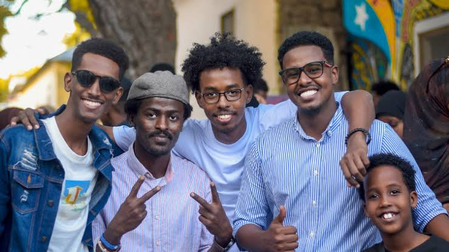


Somali female poets are reshaping how history and culture are remembered in the Horn of Africa today. For hundreds of years people called this part of the world a nation of bards because almost everyone loved creating and listening to spoken verses. While men usually dominated the public political debates women had their own unique ways of sharing their deep feelings and struggles. They created beautiful rhymes while performing daily chores like milking animals weaving mats and rocking babies to sleep. Today we can see that Somali female poets are finally getting the international respect they deserve for keeping these ancient words alive.
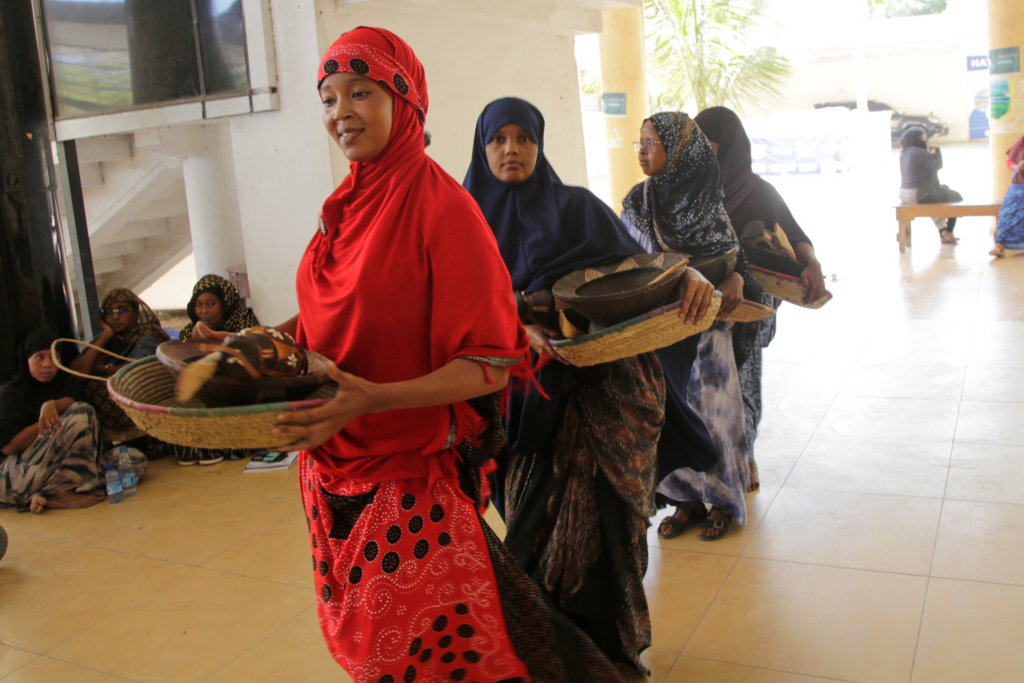
Read Also: Traditional Somali Games Keep Children Active and Teach Values
The Hidden History of Women in Spoken Literature
In the past women used a specific type of traditional poem called the Buraanbur to express their thoughts on life war and family. This style of poetry was completely different from the long political verses that men recited in tribal meetings.
The Buraanbur was full of fast rhythms and loud energy and women usually performed it while chanting and dancing together at big family parties. It gave them a rare chance to speak about things that nobody else talked about like the pain of bad marriages or the joy of raising good children. Even though they did not write these words down on paper they memorized them perfectly and taught them to their daughters. These strong Somali female poets acted as the real protectors of the community history ensuring that the daily lifestyle of regular people was never forgotten.
- Rhyming During Daily Chores: Women sang short songs while making food or collecting clean water from wells.
- Celebrating Big Achievements: They created special verses to congratulate young couples getting married or boys finishing school.
- Healing the Community: Female elders used soft peaceful poems to stop fights between different family groups in the village.
How Modern Somali Female Poets Break Traditional Rules
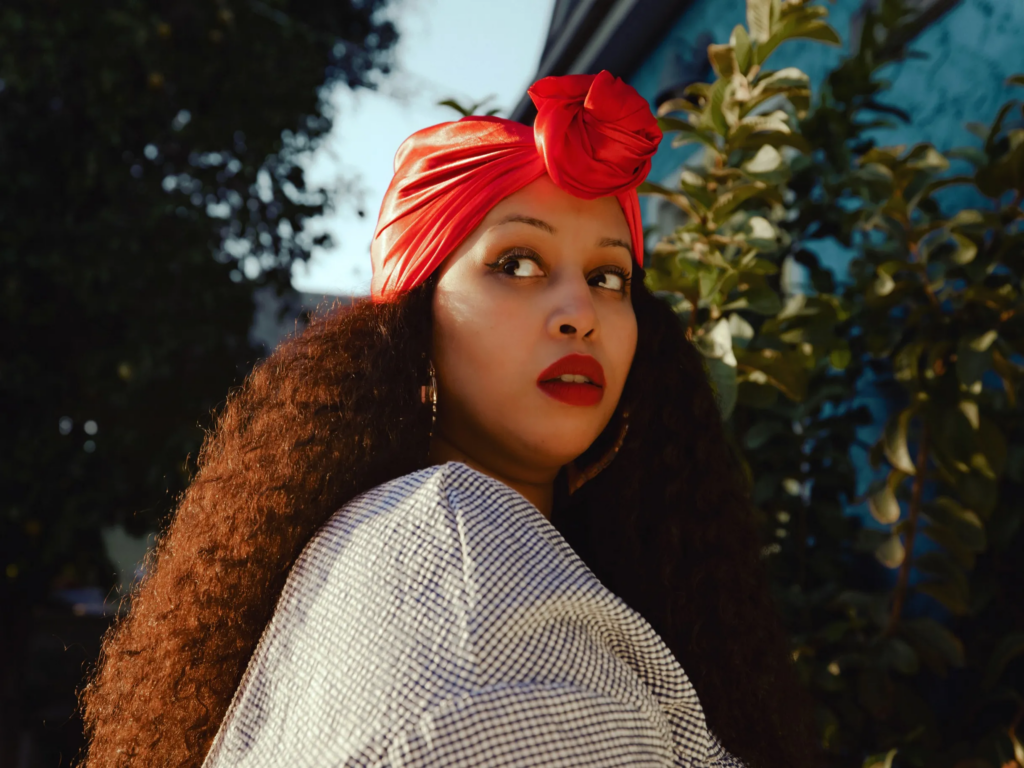
As more young girls started going to schools and moving into big cities the way women participated in literature changed completely. They stopped just singing at private weddings and started standing on big public stages to talk about heavy social issues.
Read Also: Somali Holiday Food Unites Families in Celebration
Modern Somali female poets use their powerful voices to campaign for girls education stop dangerous local practices and demand peace in areas broken by civil conflict. They do not just focus on traditional topics anymore but write about global things like politics immigration and identity. This shift has created a massive revolution because it forces men to sit down and listen to what women have to say about the future of the entire country.
Protecting the Cultural Heritage in the Internet Age
The internet has played a huge role in helping these artists share their work with the rest of the world. In the past a poem could only travel as far as a voice could carry but now a quick video can reach millions of people instantly.
- Social Media Sharing: Young writers post their short verses on apps like TikTok and Instagram for international fans.
- Connecting the Diaspora: Girls living in Europe and America use these traditional rhyming styles to stay connected to their roots.
- Recording Old Stories: Cultural groups are interviewing elderly women in villages to write down their ancient poems before they disappear.
Through these modern tools the legacy of Somali female poets continues to grow stronger every single day. Young kids who grow up far away from Africa can listen to the same rhythms their grandmothers sang in the desert decades ago which keeps the culture alive.
The Lasting Power of Somali Female Poets’ Voices (49 characters)
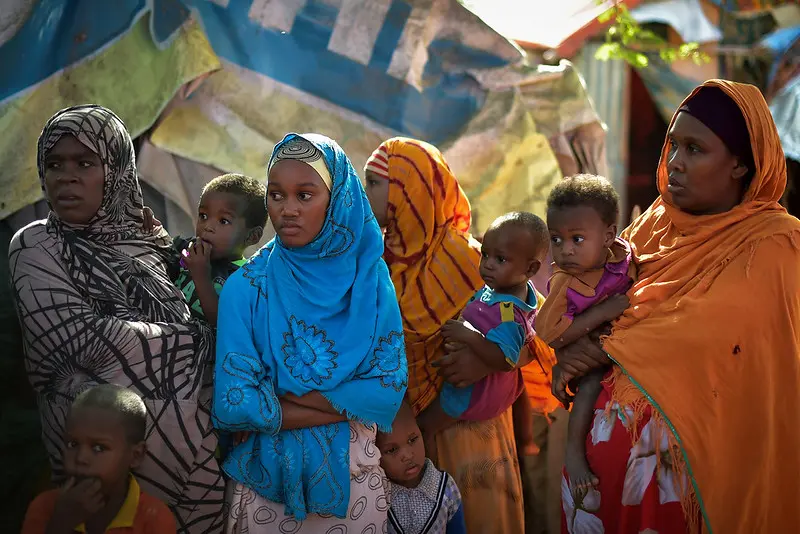
It is very clear that the spoken word will always be the heart and soul of this society. While the political landscape changes and cities grow bigger the traditional rhymes remain a safe space where truth can be told without any fear.
Read Also: How Somali Food Traditions Keep Culture Alive for Generations
By celebrating the amazing work of these historic and modern writers we are honoring the true backbone of the community. The creative journey of Somali female poets proves that poetry is not just a simple hobby but a powerful tool for survival education and cultural pride that will never die out.