


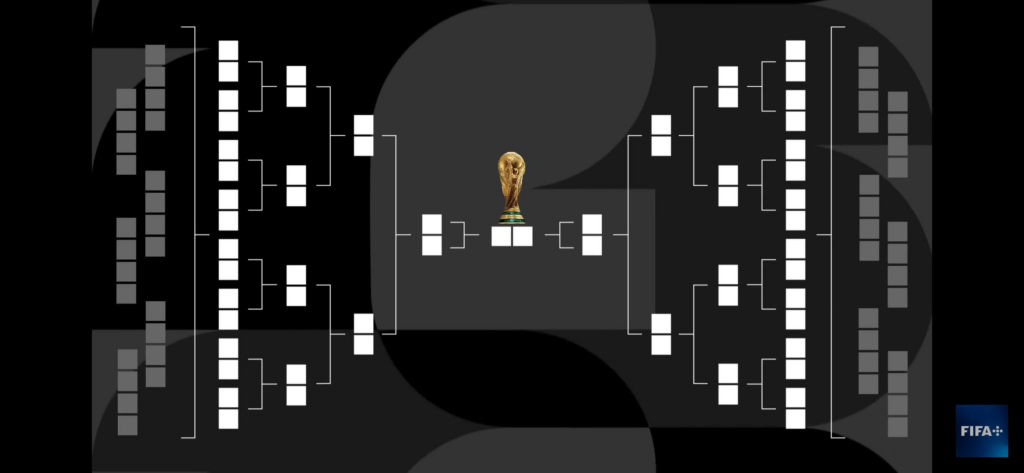
World Cup qualifications have changed completely for the 2026 tournament because FIFA decided to expand the competition to forty-eight teams. This is a massive shift from the old system that fans were used to for many years. Now instead of going straight to the round of sixteen teams have to fight through a brand new stage called the round of thirty-two. This makes the group stage matches incredibly intense because more countries have a realistic chance to progress to the knockout phase of the competition.
Read Also: Brazilian President Jokes About Neymar Injury Situation
Understanding the New World Cup Qualifications Format
The biggest change in the World Cup qualifications system is the total number of groups in the tournament. There are twelve groups in total and each group has exactly four teams playing against each other. To make it into the round of thirty-two a team needs to focus on finishing in the top two positions of their group. The top two teams from all twelve groups get an automatic ticket to the next round which accounts for twenty-four teams in total.
Read Also: Arab Teams World Cup: How Did They Fare in the First Round?
But because twenty-four teams is not enough to make a perfect knockout bracket FIFA had to create a special rule for the remaining spots. The remaining eight spots will go to the best third-place teams across the entire tournament. This specific detail in the World Cup qualifications rules means that almost every single match matters until the very last minute. Even if a team loses its first two matches it can still qualify if it wins the final group match with a large number of goals.
- Top two teams from all twelve groups qualify automatically for the next stage
- The eight best third place teams also advance based on a special points table
- A total of thirty two teams will enter the single elimination knockout matches
How Third Place Teams Survive World Cup Qualifications
To decide which third place teams get to move forward FIFA uses a very strict ranking system based on the group results. First they look at the total number of points each third place team collected during their three matches. If teams have the exact same number of points the federation checks the goal difference next. This means the number of goals a team scored minus the number of goals they conceded during the games. If they are still tied after checking the goal difference the team that scored more total goals wins the spot in the World Cup qualifications rankings.
“Every single goal scored in the group stage can save a country from going home early under this new forty eight team format.”
This new rule changes the way managers plan their tactics for the games. In the past a team might play defensively if they already had a small lead to save energy. Now under the current World Cup qualifications rules teams will keep attacking because scoring four or five goals can be the key to survival if they finish third in their group.
Fair Play Rules and Final Tie Breakers
If two teams finish with the exact same points goal difference and total goals FIFA has to use the fair play points system to break the tie. Players have to be very careful on the pitch because yellow cards and red cards cost their team points in the World Cup qualifications standings. A yellow card costs one point a indirect red card costs three points and a direct red card costs four points. The team with fewer disciplinary points will win the tie breaker and go to the round of thirty-two.
Read Also: Arab Teams World Cup Dreams Closer Than Ever Before
If by some miracle the teams are still completely equal after looking at the fair play points FIFA will literally draw lots to choose the winner. Nobody wants their tournament survival to depend on a random lottery draw so players will fight with everything they have to win their matches cleanly. The path through the World Cup qualifications is longer and harder than ever before but it promises to give fans the most exciting football summer in history.