


US Iran treaty stability is facing a major new challenge as Washington issues a strong warning to Tehran regarding its latest financial demands. White House envoys Steve Witkoff and Jared Kushner are working hard behind the scenes to send a clear message to Iranian officials that asking for transit fees in the Strait of Hormuz could destroy the delicate diplomatic agreement between the two countries.
The indirect meetings in Doha have gone relatively well so far but this new issue threatens to break the progress that negotiators achieved during weeks of difficult discussions. To preserve the deal diplomats are working overtime because the US Iran treaty represents a major turning point for the economic future of the entire region. Both sides know that a sudden failure of the US Iran treaty would immediately bring back heavy sanctions and stop all international trade progress. Therefore keeping the US Iran treaty alive remains the top priority for the mediators who want to avoid further conflict. If they can solve this shipping fee problem the US Iran treaty will finally allow regular business to resume normally.
Read Also: What made the unique Israel Lebanon agreement happen so fast?
The Financial Conflict Threatening the US Iran Treaty
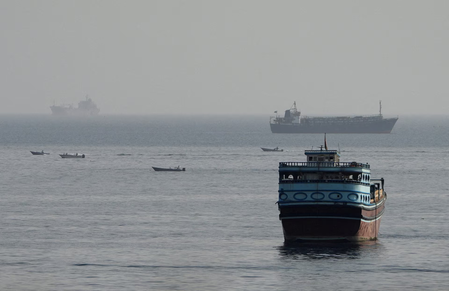
Negotiators are trying to save the deal because the US Iran treaty represents a massive shift in Middle East politics that took a lot of effort to build. American officials told the Iranian team that pushing for transit fees inside a global shipping lane like the Strait of Hormuz is a dangerous move that the international community will not accept. The US arguments show that lifting economic restrictions will allow Iran to rejoin the global oil market freely which brings billions of dollars directly into their economy. Risking all these massive financial gains just to collect small fees from passing cargo ships seems like a very bad business decision. The mediators from Qatar and Pakistan are working around the clock to convince both sides to find a middle ground before the official paperwork collapses completely.
US Iran Treaty Talks Stall in Doha
Despite the tension over the maritime fees the latest round of separate talks in Doha actually showed some positive signs of movement. Qatari Foreign Ministry spokesman Majid Al-Ansari announced on social media that the mediators successfully finished their separate meetings with the American and Iranian delegations. The parties originally agreed to keep things calm and quiet for the upcoming week so technical teams could work on advancing different parts of the memorandum of understanding signed in Islamabad. This diplomatic roadmap is based on the outcomes of the earlier Lake Lucerne summit which set the guidelines for lowering military tensions in the region.
Read Also: Tomahawk Missile Defused After Discovery in Iran
However this sudden focus on the Strait of Hormuz has forced everyone to freeze the schedule. The various sides agreed to continue their intense discussions in the near future but the exact date for the next meeting will only be decided after the official funeral processions for the former Iranian Supreme Leader are fully finished.
Future Scenarios for the US Iran Treaty and Regional Trade
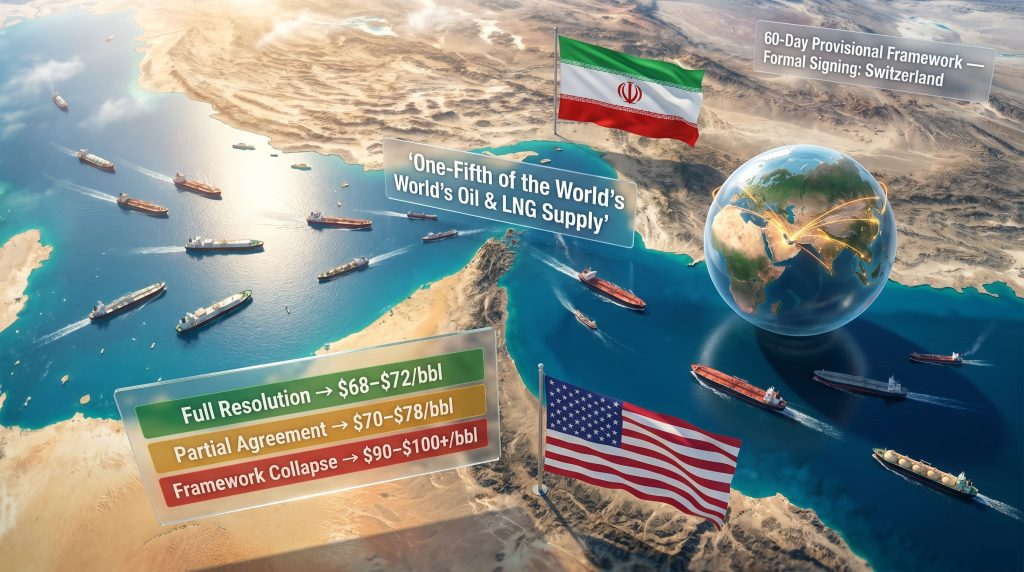
If the two nations cannot fix this issue the failure of the US Iran treaty could lead to fresh military escalation in the Gulf waters. The tech and oil markets are watching these political developments closely because any trouble in the Strait of Hormuz immediately raises global fuel prices for normal consumers. The US has made it clear that free navigation must be respected by everyone and using shipping lanes for political leverage will face strong resistance.
Read Also: Iran Oil Export Levels: Why Is the US Easing Pressure on Iran?
The next few weeks will show whether Iran prefers the massive economic opening of lifting sanctions or if they will stick to their local demands and cause the whole diplomatic bridge to burn down. Both sides have a lot to lose but the margin for error is getting smaller every day.