
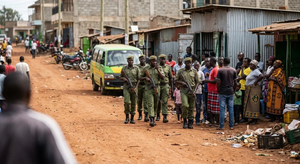

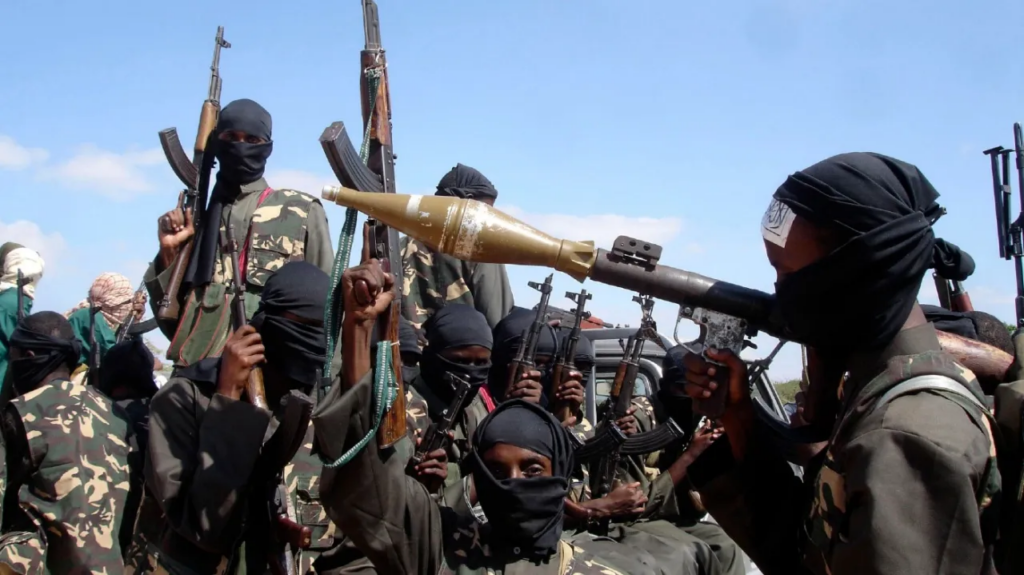
Somalia airstrike operation has successfully killed thirty five fighters from the Al-Shabaab terrorist group during a massive military hit in the Lower Shabelle region. This major development happened during the night when local intelligence located a secret camp where the militants were planning a dangerous attack against nearby military bases. The federal government quickly coordinated with its international partners to execute the plan before the group could move their heavy weapons to another location. According to official reports from the defense ministry the raid completely destroyed the enemy camp along with several vehicles loaded with explosives. This successful strike is being celebrated as a major win for the national army which has been fighting hard to restore peace across the country.
Read Also: Is Somalia Political Crisis Driving the Country Toward Chaos?
The Big Impact of the Somalia Airstrike Operation on Regional Security
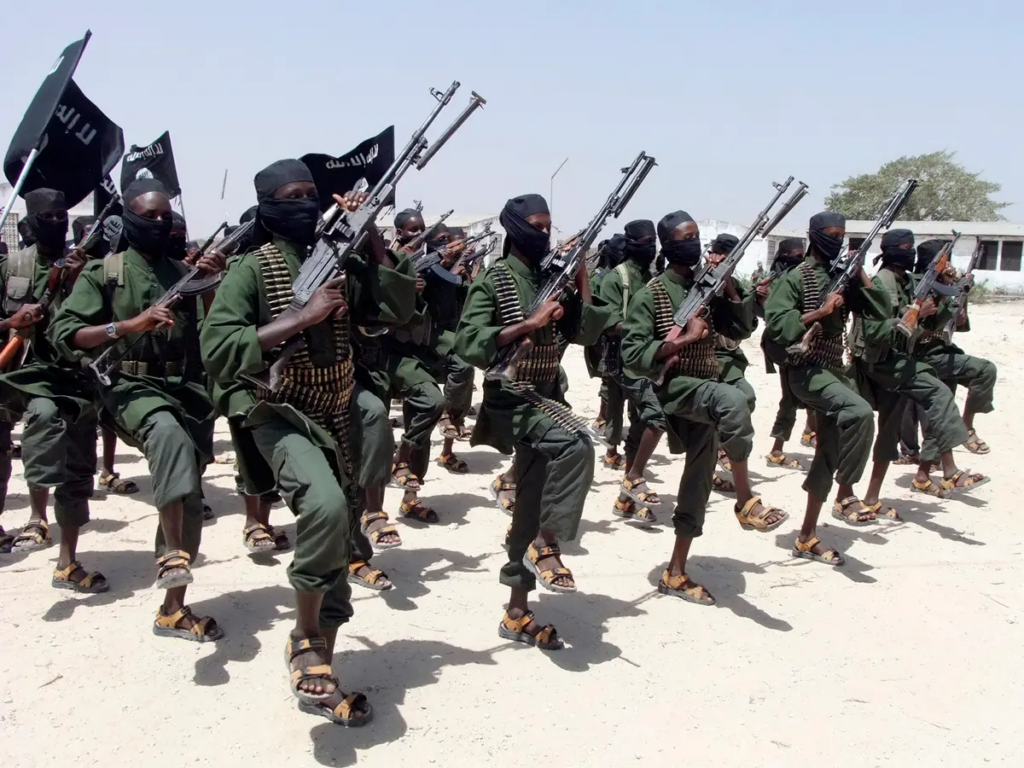
The success of this Somalia airstrike operation shows that the government forces are getting much better at tracking the movements of terrorist cells in rural areas. For a long time Lower Shabelle has been a very dangerous place because the thick trees and small villages allowed militants to hide from regular army patrols. However with advanced surveillance technology and local help the military can now see exactly where the leaders are hiding and strike them without warning. This specific hit has disrupted the command structure of Al-Shabaab in the region which will definitely slow down their operations for a couple of months.
Read Also: Why did massive gunfire happen near the regional military base?
Local elders in the nearby towns expressed their relief after hearing the loud explosions because they were tired of paying illegal taxes to the militants. The government believes that weakening the group from the air makes it much easier for the ground troops to move in and clear the remaining fighters out of the villages safely. This coordinated strategy is proving to be the most effective way to handle the long conflict.
Military Strategy Behind the Somalia Airstrike Operation
Planning the Somalia airstrike operation required a lot of patience and accurate data from secret agents working deep inside the enemy territory. The army generals did not want to rush the attack because they had to make sure that no innocent civilians were staying near the targeted camp. By waiting for the perfect moment when only active fighters were gathered together they managed to take out thirty five terrorists without causing any collateral damage to the local population.
This professional execution has gained praise from international security experts who watch the conflict in the Horn of Africa closely. They note that taking away the vehicles and weapons of the group is just as important as killing the manpower because it stops them from launching sudden suicide attacks against cities like Mogadishu. The defense ministry promised that more operations like this one will continue until every single district is fully liberated from extremist control.
What Happens Somalia Airstrike Operation: What Happens Next for the Local Population?
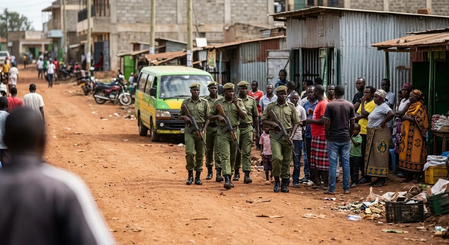
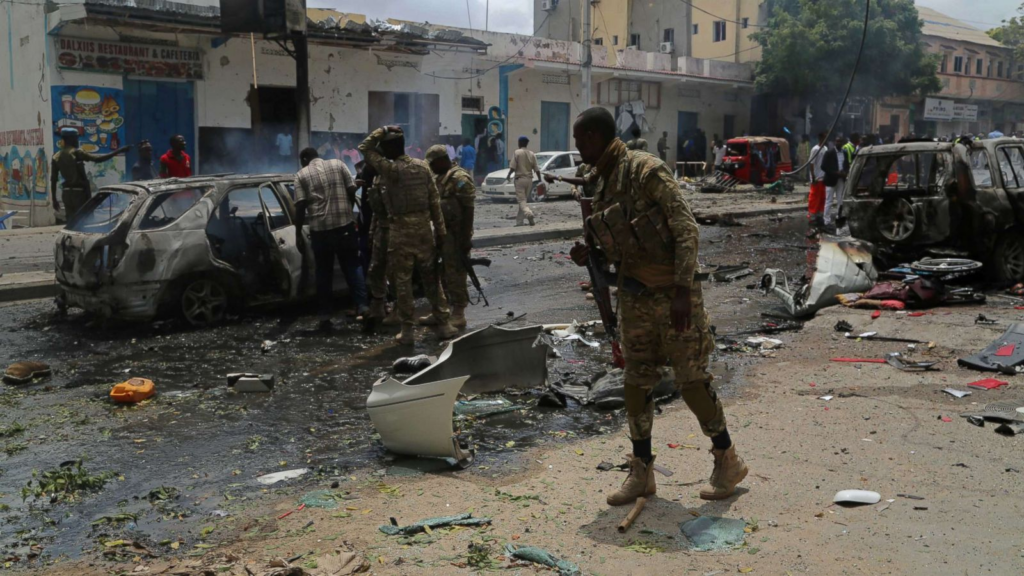
Following the successful Somalia airstrike operation the national army has sent fresh ground battalions to secure the perimeter and search for any surviving militants who fled into the forest. The soldiers are also setting up new checkpoints along the main roads to ensure that the remnants of the group cannot enter peaceful towns to seek revenge.
Read Also: Why Did Galmudug President Withdraw From Election Race?
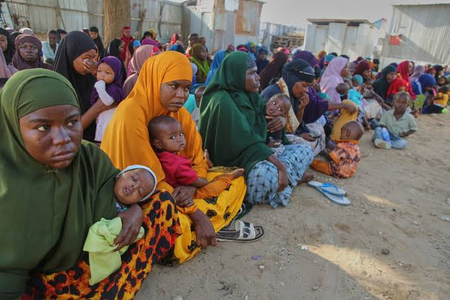
The governor of Lower Shabelle called on the young people who joined the group out of fear or poverty to surrender immediately to the authorities while they still have a chance. He promised that those who lay down their weapons will receive proper rehabilitation and help to start a normal peaceful life with their families. In the meantime the government is working with aid agencies to bring food and medical supplies to the liberated villages which suffered for years under the brutal rule of the extremists. This combination of military power and humanitarian aid is crucial for building a lasting peace in the region.