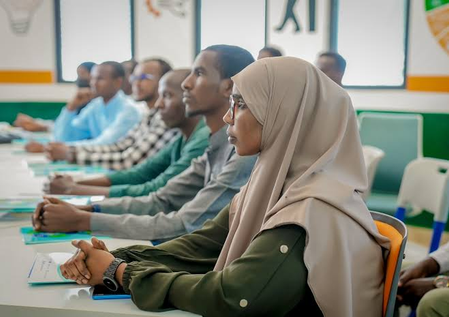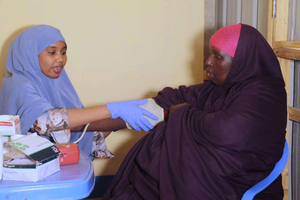



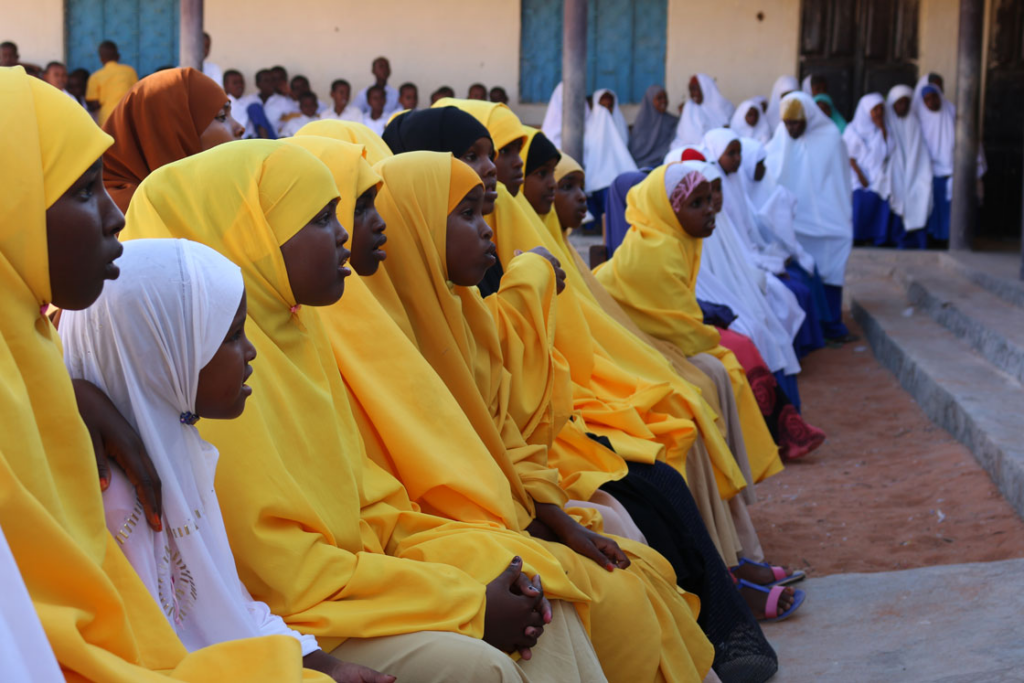
Education gap in Somalia is a huge problem that affects millions of young children living in the country today. For many decades families living in big cities like Mogadishu have had much better chances to send their kids to school compared to families living in small countryside villages. In the urban areas you can find proper school buildings teachers who went to university and text books for the students to use every day. However in the rural areas the situation is completely different because many children have never seen a real classroom in their entire life. This deep divide creates an unfair start for youth who want to learn and improve their lives.
Read Also: Why Is School Counseling Vital for Student Success?
The main issue is that most resources and international aid money stay in the capital city and major towns. This leaves the countryside with almost nothing which makes the education gap in Somalia grow wider every single year.
Education Gap in Somalia and the Lack of Teachers
If we want to understand why the education gap in Somalia remains so big we must look at the teacher shortage in the villages. Most qualified educators prefer to live and work in the urban centers because they can earn a higher salary and live in a safer environment. The schools in the countryside are often forced to hire volunteers who do not have any formal training in teaching methods or children’s psychology.
This means that even when a rural child manages to find a school the quality of the lessons is very low. To bridge this education gap in Somalia the ministry of education needs to create special financial rewards to encourage good teachers to move to remote villages.
Read Also: How Do Different school activities Help Kids Learn Better?
The Long Distances to the Nearest Classroom
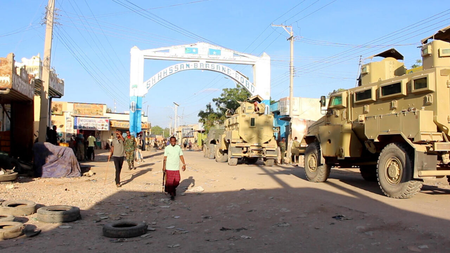
In the rural parts of the country houses are spread out very far from each other. A young student might have to walk for two or three hours under the hot sun just to reach the nearest school building. This long journey is not just exhausting but it is also very dangerous for young girls and boys due to local conflicts or wild animals.
Because of these safety fears many parents choose to keep their children at home instead of risking their lives. In contrast city kids usually have multiple primary schools within their own neighborhood making it easy and safe to attend classes daily without any stress.
Economic Hardship for Nomadic Families
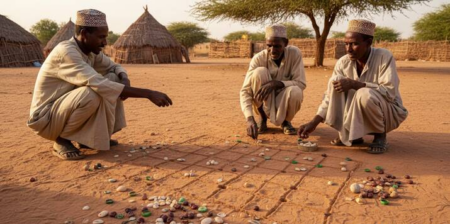
A huge percentage of the population in the countryside lives as nomads who travel constantly with their cows and camels to find water. These families rely heavily on their children to help with herding and daily chores. When a family is always on the move it becomes impossible for a child to sit in a fixed classroom for nine months.
This lifestyle difference heavily increases the education gap in Somalia because the current school system is built only for people who live in one permanent place. Without mobile schools or radio lessons these nomadic children will unfortunately remain completely illiterate.
The Difference in School Facilities and Books
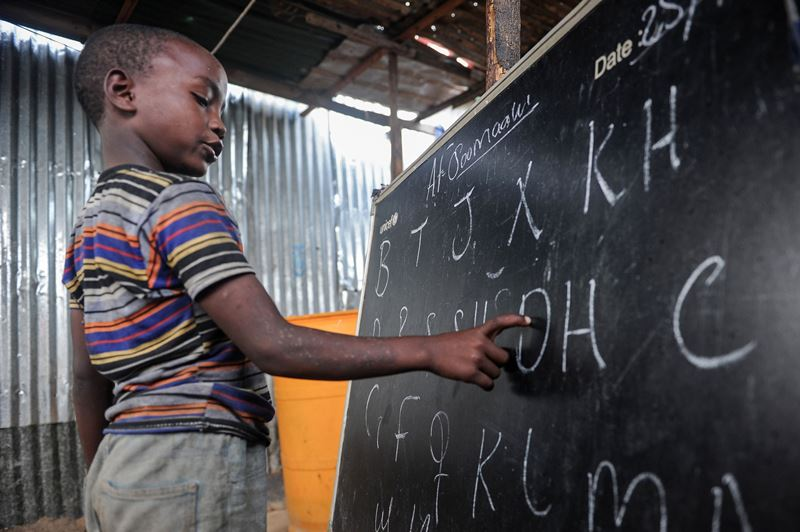
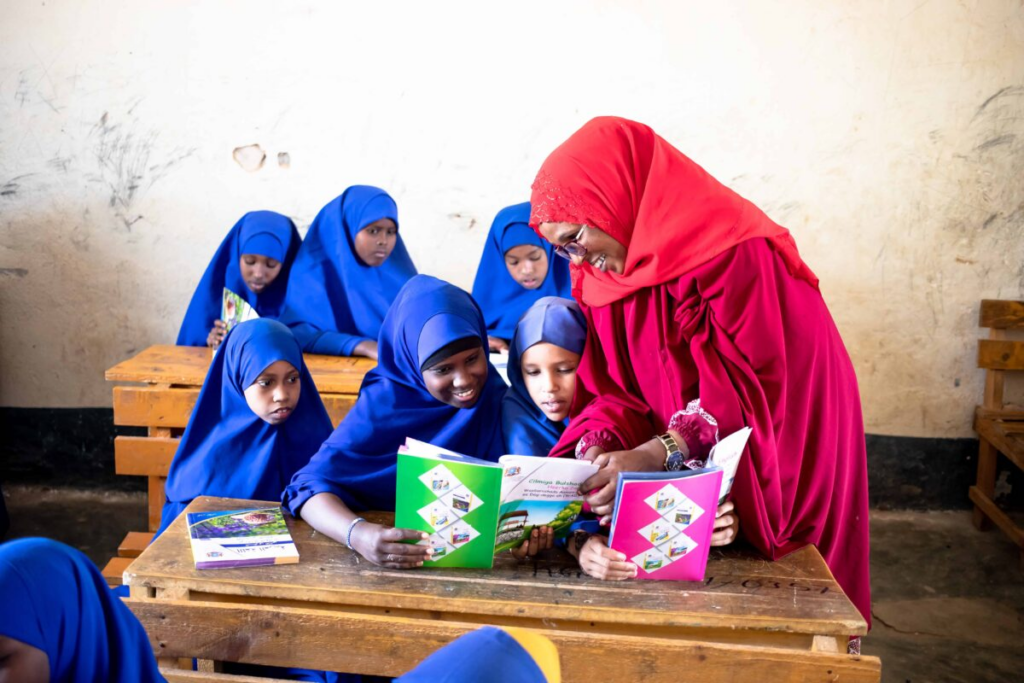
When you visit an urban private school you will often see computers electricity desks and colorful library books. The parents in the cities can afford to pay monthly fees to keep these facilities running nicely. But in the villages school walls are often made of mud and sticks with no toilets or clean drinking water for the students.
Learning becomes very difficult when you have to sit on the bare dirt floor under a tree with five children sharing one old textbook. This massive difference in infrastructure shows how the education gap in Somalia hurts the poor communities the most.
How Technology Can Help Fix the System
Many experts believe that mobile technology could be the ultimate solution to solve this educational divide. Since a large number of Somalis own mobile phones lessons can be broadcasted via radio waves or shared through simple SMS programs. This allows rural kids to learn reading and math without needing a physical school building near their home.
If international charities spend more money on solar powered tablets instead of just building concrete schools in cities they can reach the most isolated communities. Utilizing these digital tools is the fastest way to shrink the education gap in Somalia and give everyone a fair shot at success.
Read Also: 7 Essential Factors to Choosing the Best School Options
In conclusion fixing the schools in the country requires looking closely at the needs of the countryside. We cannot build a strong nation if only the children in the big towns get to read books while the rural youth are left behind in the dark. By providing better support for rural teachers creating mobile classrooms for nomads and using modern solar tech we can fix this crisis. It is clear that ending the education gap in Somalia is the most important task for the future of the entire nation.