


Paper school textbooks is a big topic of debate among teachers parents and students all over the world. Many schools are buying tablets and computers so children can learn using digital screens. Some people think physical books will completely vanish from classrooms very soon because digital files are easy to update. But print books have strong benefits that keep them useful in modern education.
Read Also: 7 Factors Behind Low Somalia School Enrollment
Digital screens offer quick access to internet tools and interactive videos for lessons. However reading from a physical page helps students focus much better without getting distracted by games or chat messages. Here are four key points about why traditional print materials are still holding their place in schools.
1. Things you do not know about Paper school textbooks and deep learning focus
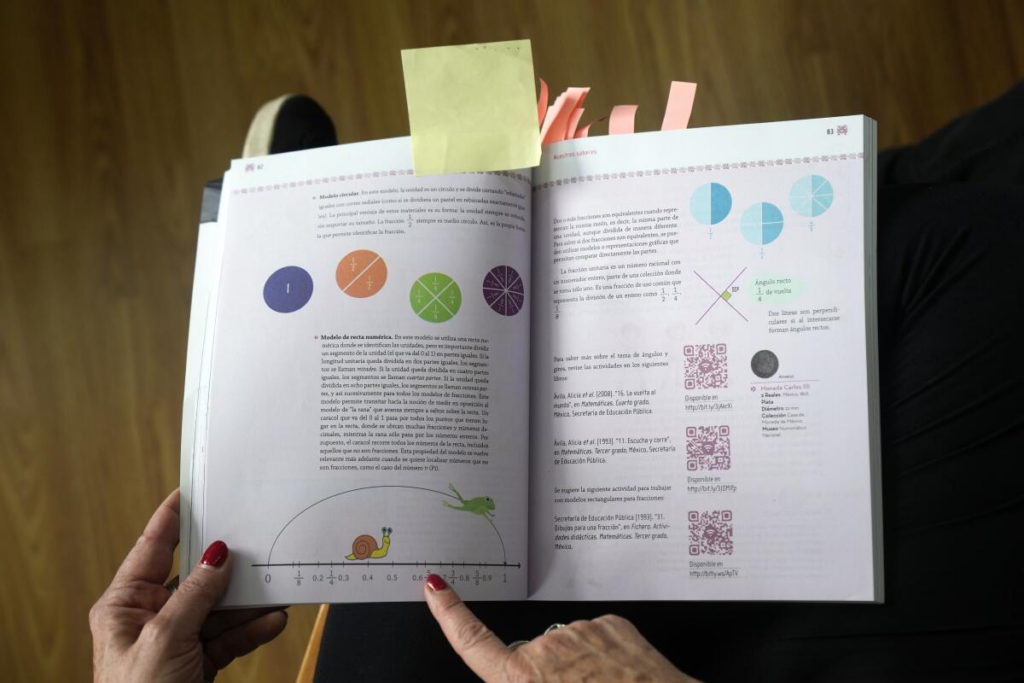
Paper school textbooks help students remember information better than reading long text on a digital screen. When children read off a printed page they can underline lines with a pencil and turn physical pages easily. Studies show that reading physical print allows the human brain to process details deeply without feeling tired quickly.
Screen light can cause eye strain and headaches after several hours of study time. Reading from a physical book lets the eyes rest and helps students stay calm while studying complex topics. Many parents prefer print books at home so their children do not spend the whole day looking at bright screens.
2. Digital tools are expensive and need constant internet access
Switching entirely to digital learning sounds simple but it costs a lot of money for schools and families. Devices need constant electricity fast internet connections and regular software updates to work properly. Many low income families or rural schools cannot afford buying expensive laptops for every single student.
Read Also: Special education growth in Somalia: What can help?
Paper school textbooks do not break if you drop them on the floor and they do not need a battery charger. A printed book can be used for many years by different students without any technical glitches. This simple reliability makes printed books a very practical choice for schools with limited budgets.
3. High costs of digital devices and maintenance problems
Digital screens break easily when handled by young children every day in crowded classrooms. Repairing broken screens or replacing lost tablets costs schools extra money every year. Technical glitches like slow software or forgotten passwords can waste valuable teaching time during a short lesson.
Paper school textbooks avoid all these electronic headaches completely because they are simple physical objects. Teachers can open a book to a specific page and start teaching immediately without waiting for computers to boot up. The low maintenance cost of print materials keeps them alive in many education systems worldwide.
4. Physical books create a sense of ownership and routine
Having real books on a desk creates a clear mental space for learning and serious quiet study. Students feel a sense of ownership when they carry their own physical books in their backpacks. Turning real pages helps young readers track their reading progress in a clear visible way.
Many teachers report that classroom management is much easier when students open physical workbooks together. There are no pop up ads or game notifications to pull their attention away from the teacher. This traditional learning environment helps build discipline and steady study habits.
Why Paper school textbooks will stay around for a long time
While technology will keep growing inside modern classrooms printed study materials are not going away anytime soon. Paper school textbooks offer clear advantages for health focus and budget management that digital screens simply cannot match.
Read Also: Why is adult literacy growth so vital for building a better Somalia
A balanced combination of digital tools and classic printed pages is the most realistic path forward for schools worldwide.