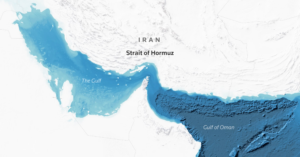


Global shipping traffic dropped sharp below its monthly average near the weekend because of intense tensions between the US and Iran over control of the regional waterway. Both nations are making competing claims about who actually runs the key route which makes commercial ship captains very nervous.
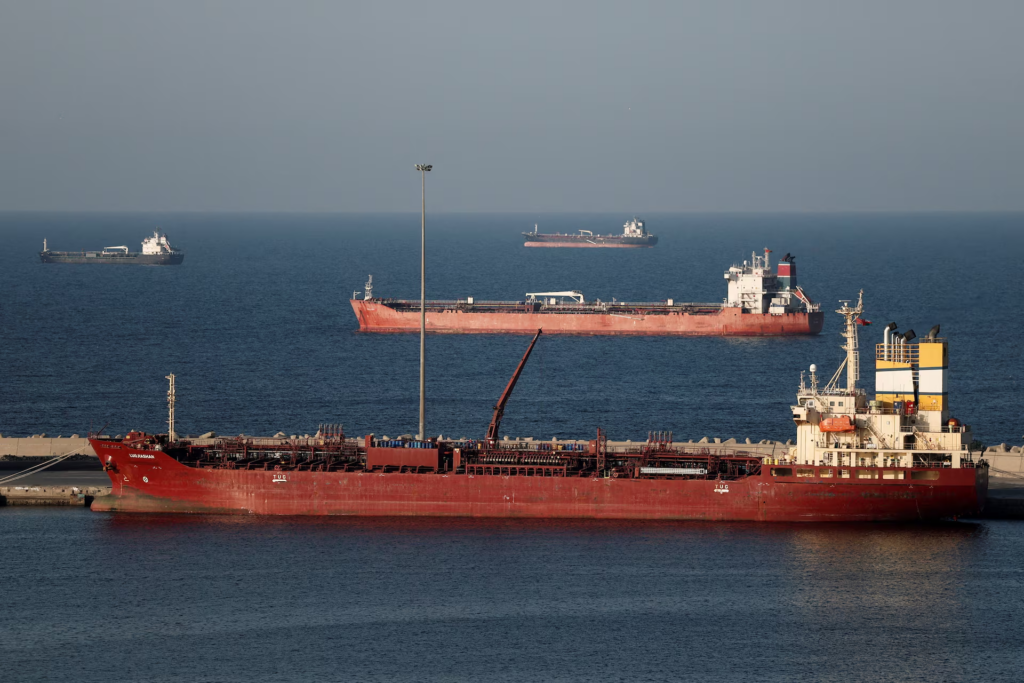
According to dynamic maritime data from Kpler only nine cargo vessels crossed through the area on Thursday which is way below the normal daily average of twelve ships seen throughout August. While that was a small bump from the five ships that passed on Wednesday most vessels used Iranian shipping lanes to enter or exit the Arabian Gulf.
Read Also: Strait of Hormuz Shipping Routes Shift Amid Military Tensions
Global shipping traffic facing severe disruption from growing political threats
This sudden drop in shipping traffic highlights how fast geopolitical drama can mess up important international trade lanes. Captains operating large oil tankers and bulk carriers are worried about potential military actions or ship seizures.
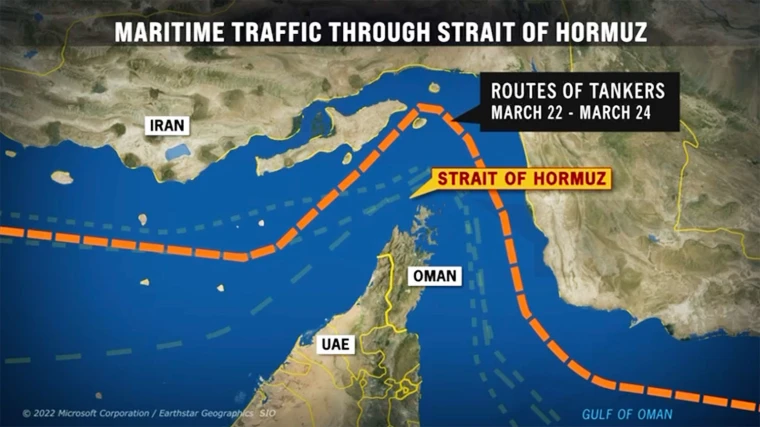
The United States insists its naval forces can maintain a firm presence in these dangerous waters indefinitely to protect global energy supply chains. Meanwhile Iranian leaders insist they have total authority over who enters or leaves the strategic waterway. These conflicting official statements create massive uncertainty for global traffic and make insurance costs shoot up for commercial vessels. Even though nine ships managed to navigate the passage on Thursday safety concerns remain extremely high for every crew member operating in the region.
Comparing vessel movements between Hormuz and Bab el Mandeb
Monitoring global shipping traffic across different strategic chokepoints reveals how ocean carriers are reacting to these political crises. Data showed that nineteen commercial cargo ships sailed through the Bab el Mandeb strait on Thursday without turning off their location transponders. That number stayed pretty steady compared to twenty vessels recorded the day before in that same area. However experts note that some vessel captains purposely turn off their tracking devices to hide their movements through high risk zones which means actual global shipping traffic might be slightly higher than raw radar numbers show.
Read Also: Straits of Hormuz crisis: Why are sailors trapped in the Gulf?
Economic impact on trade routes and rising commercial costs
When global shipping traffic slows down at major chokepoints the negative impact spreads quickly to global markets and energy prices. Shipping lines often have to reroute their massive vessels around entire continents or pay insane security fees to keep operating. The ongoing political standoff between Washington and Tehran leaves global shipping traffic in a very fragile state with no clear fix in sight as long as ceasefire talks remain frozen. Commercial vessel operators are keeping a very close eye on daily military announcements while trying to navigate these dangerous waters safely.
Read Also: Iran Missile Attacks Raise Hormuz Shipping Risks
Future outlook for commercial vessels in conflict zones
The future of global shipping traffic in these narrow waters depends heavily on whether diplomatic talks can lower the heat between both sides. If naval blockades continue and military threats escalate global shipping traffic will likely stay well below normal levels for a long time. For now cargo ships must exercise extreme caution when passing through these volatile regional waterways.