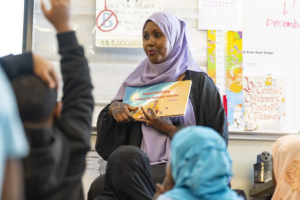


Regional cultural traditions shape daily life for millions of people living across the Horn of Africa in unique ways While all citizens share a common language Islamic faith and rich history subtle differences exist between communities Northern pastoralists central herders and southern farming communities each have their own lifestyle habits Families living in coastal towns follow customs influenced by sea trade while nomadic groups focus heavily on livestock Herding livestock remains central in dry inland areas where people travel frequently to find water and green grass Understanding these regional cultural traditions helps people appreciate how geography climate and local history create diverse social habits within one nation.
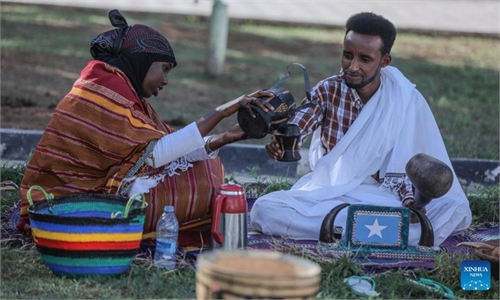
Read Also: 5 shocking facts about somali heritage?
How regional cultural traditions reflect different geographical lifestyles across the country
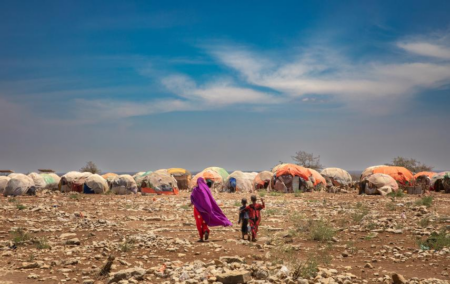
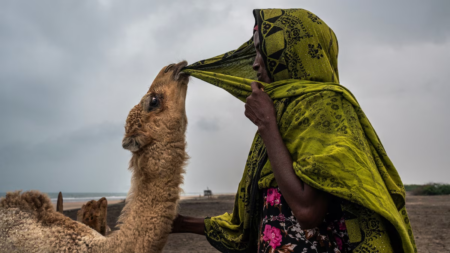
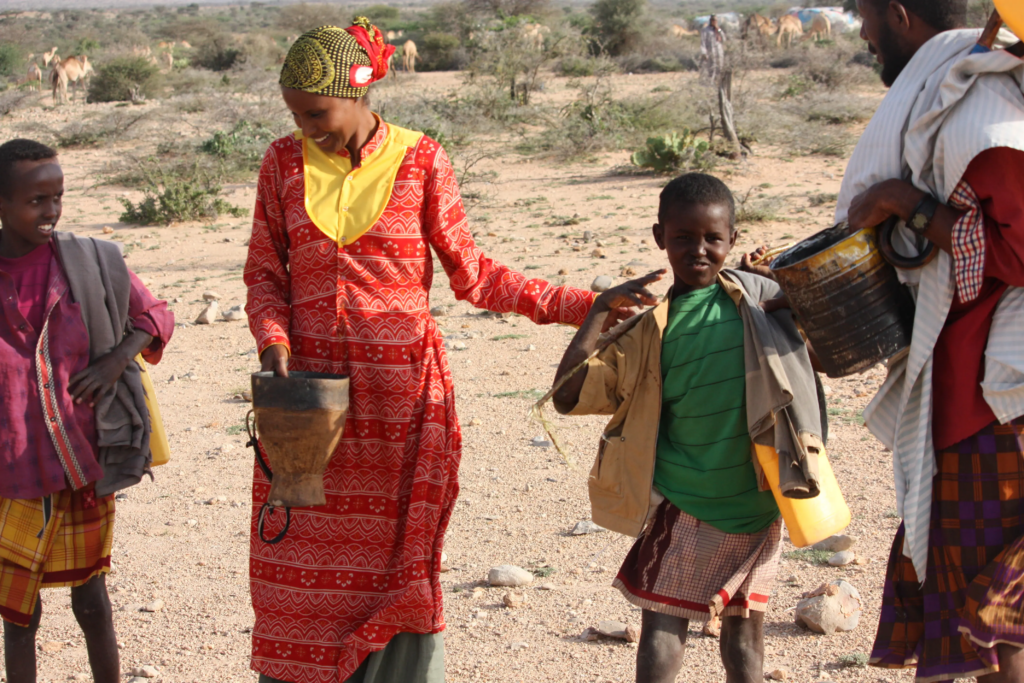
In northern and central regions regional cultural traditions revolve mostly around nomadic herding life Camels goats and sheep are vital for survival because dry weather makes farming very difficult Herders develop deep knowledge about desert paths weather patterns and traditional poetry about livestock People in these areas value oral poetry and storytelling around evening campfires after long days of walking The way people greet each other discuss community matters and handle elder councils reflects the strict discipline needed for surviving harsh desert landscapes.
In contrast southern communities living near the Shabelle and Juba rivers follow regional cultural traditions based on farming and agriculture River valleys allow families to grow corn beans bananas and sesame seeds Village life is more settled compared to nomadic communities in the north Festive celebrations in southern farming villages include colorful community dances drum performances and harvests rituals Local food dishes also feature more vegetables grain porridges and fresh fish compared to the meat based diet of northern herders.
Coastal customs and maritime trading influences
Cities along the coastline like Mogadishu Merka and Berbera developed distinct regional cultural traditions through centuries of sea trade with Arab Indian and East Asian merchants Coastal communities developed unique architectural styles using coral stones and carved wooden doors Their traditional clothing spices and cooking techniques reflect deep historical connections with overseas traders Seafood dishes fried snacks and aromatic tea blends are much more common in coastal ports than in inland herding territories.
Read Also: Internet Blackout Impact: How Is It Affecti
Spoken dialects and local proverbs also show small variations between distinct geographical districts While everyone understands standard Somali local vocabulary reflects daily activities like farming fishing or herders work Northern poetry focuses heavily on camels and desert survival while southern folk songs celebrate farming rainfall and river harvests These subtle linguistic touches add rich flavor to local storytelling and social gatherings.
Wedding customs and hospitality practices
Marriage ceremonies and family celebrations highlight how regional cultural traditions adapt to local wealth and resources In herding areas weddings involve transferring camels or livestock as traditional gifts between families In urban and coastal centers wedding celebrations feature elaborate feasts modern music bands and henna designs for women Hospitality remains a sacred duty everywhere but the food served to guests changes based on local production.
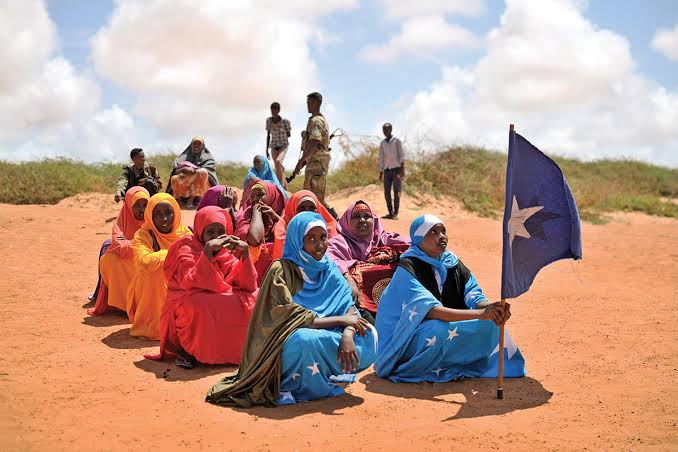
Religious holidays like Eid bring people together across all towns and rural villages Despite local variations in food clothing and music shared values like respect for elders family support and generosity remain strong everywhere Community elders play a key role in settling disputes using traditional law systems that balance justice with local customs.
Read Also: Why Somali Languages Diversity Matters to Local History
In conclusion exploring regional cultural traditions shows how geography shapes daily routines without breaking national unity Nomadic herding in dry lands river farming in southern valleys and sea trade along the coast created diverse lifestyles across the region By honoring both shared faith and unique regional habits communities maintain a rich living heritage that continues to adapt to modern life.