



Detect AI content is a major challenge for journalists editors and everyday internet users in modern times. When visible logos or tags get removed from synthetic photos videos or written articles telling human creations apart from machine work gets tricky. Modern detection systems no longer rely on a single badge stamped on top of a file. Instead technical teams embed hidden digital traces cryptographic records and statistical patterns deep inside the files themselves to help people verify original sources.

Read Also: What makes smart glasses for blind adults so useful
Even when visible logos disappear invisible tracking codes remain hidden within the media files. Understanding how these tracking layers operate helps internet users spot artificial files quickly. Here are four key methods used to uncover artificial media today.
1. Detect AI content: Invisible watermarks that stay inside files
Invisible watermarking technologies like Google SynthID allow software creators to embed tracking signatures directly into generated images audio video and text. These subtle hidden codes survive common edits like cropping images running quick filters or compressing media files for social platforms. In AI generated articles the tool slightly alters word choices to form a recognizable statistical pattern that normal human readers will never notice.
These subtle modifications allow special detector programs to identify machine generated content easily. Since these hidden marks stay integrated into the actual media pixels or word patterns users can still detect AI content even after visible overlays have been cropped out or erased completely.

Read Also: Electric Car Dominance: Things You Don’t Know
2. Detect AI content: Digital passports and origin metadata tracking
The C2PA standard acts like an official digital passport for media files created on internet platforms. Instead of sticking a visible icon onto a photo this method attaches secure metadata showing who created the file what tools were used and what edits were made over time. This cryptographic data gives reviewers a clear history of the digital item from its initial creation.
Major platforms like OpenAI embed C2PA metadata directly into generated images alongside invisible watermarks. Although cropping or taking screenshots might strip away metadata layers having both systems active gives inspectors a much higher chance of verifying original creators accurately.
3. Hidden statistical patterns embedded inside written text
Text generation tools from major development teams now embed subtle mathematical patterns into generated sentences during drafting. By guiding how words are randomly selected from similar options the system creates a hidden statistical signature without changing the overall meaning or flow of the written content.
Special detection keys can read these statistical signatures to verify if an automated tool wrote or edited the paragraph. While completely rewriting a text passage might bypass this hidden layer minor edits will keep the statistical signature intact for detection tools to find.
4. Detect AI content: Analyzing style patterns when digital tags disappear
When embedded watermarks and metadata layers are completely wiped away advanced analysis tools step in to examine the physical or linguistic properties of the content. Automated language detectors analyze writing styles search for overused phrasing patterns and evaluate sentence structure variations typical of computer models.
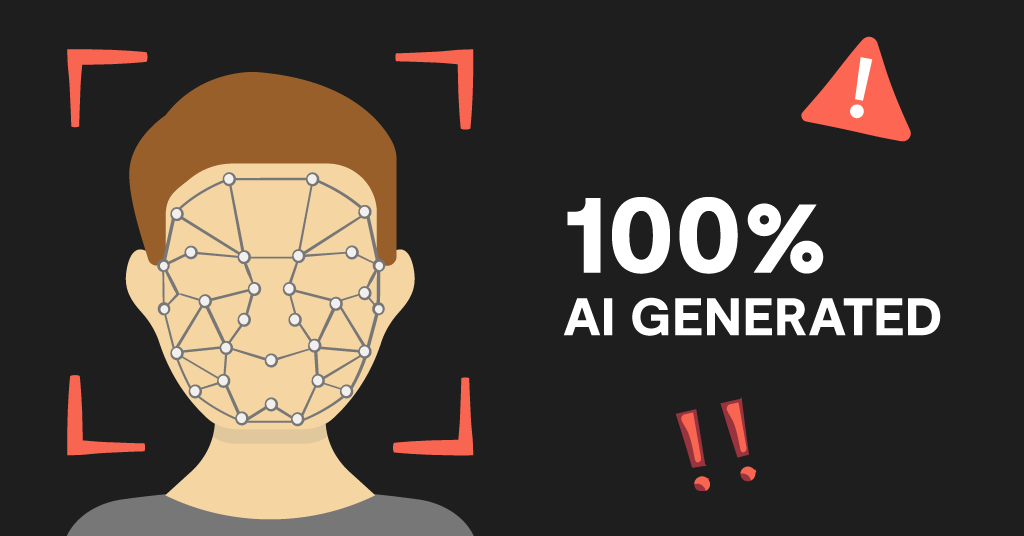
For visual media software tools scan lighting angles background patterns and fine textures for subtle unnatural errors. Combining these stylistic evaluations with source tracing provides a reliable way to check suspicious files when standard marks are missing.
Read Also: AI Workload Impact: Is It Making Tech Jobs Harder?
Detect AI content: Final thoughts on spotting hidden synthetic media
Finding synthetic files after visible badges are removed requires using multiple technical layers together. Combining invisible watermarks C2PA metadata and deep style analysis gives users the best shot at verifying authentic files. As artificial generation tools continue to evolve learning how to detect AI content will remain an essential skill for anyone reading news or browsing media online.