



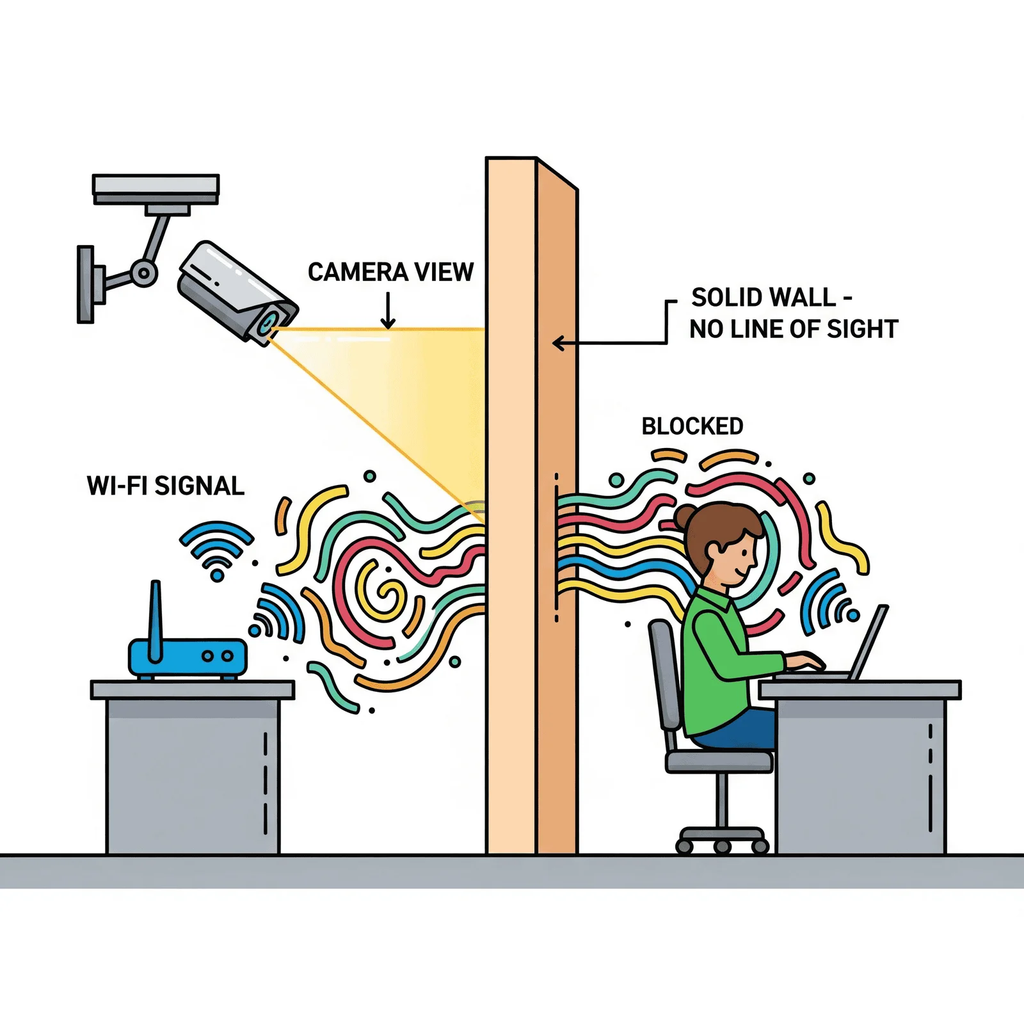
Home wifi networks track human movement and personal identity by bouncing radio waves off people moving through rooms without using cameras or special sensors. Researchers at the Karlsruhe Institute of Technology discovered that regular wireless routers send out invisible signals that paint detailed physical maps of nearby individuals. This means a person can be recognized even if they turn off their mobile phone and carry no smart hardware in their pockets. The system reads routine signal packets exchanged between internet devices to build unique physical profiles for everyone in range.
Read Also: Detect AI content: how can you spot hidden digital media?
Modern routers constantly send beamforming feedback signals to maintain strong connection speeds for connected laptops and televisions. When a person walks through a hallway their body reflects and absorbs these radio signals in unique personal patterns. Advanced machine learning models analyze these tiny signal shifts in real time to identify individuals based on body shape and walking style. Testing on nearly two hundred volunteers proved that these wireless monitoring setups reach almost perfect accuracy in just a few seconds.
Why home wifi networks track movement patterns and create serious privacy risks
home wifi networks track people without their knowledge because wireless signals pass through thin walls and cover entire living spaces automatically. This hidden surveillance capability turns everyday apartments cafes and office buildings into tracking zones where privacy disappears without leaving visible clues.
Read Also: AI Workload Impact: Is It Making Tech Jobs Harder?
Key privacy concerns connected to wireless tracking include:
- home wifi networks track physical movement without needing optical cameras or wearable tech
- Signal mapping works through walls and dark rooms during day and night hours
- Disabling personal smartphones or smartwatches does not prevent accurate identification
Privacy advocates warn that invisible tracking infrastructure could be exploited by bad actors or authoritarian governments to monitor crowd gatherings and private homes silently. Since traditional security precautions like covering webcams or turning off location settings do not block radio reflections everyday citizens have no simple way to opt out of signal collection.
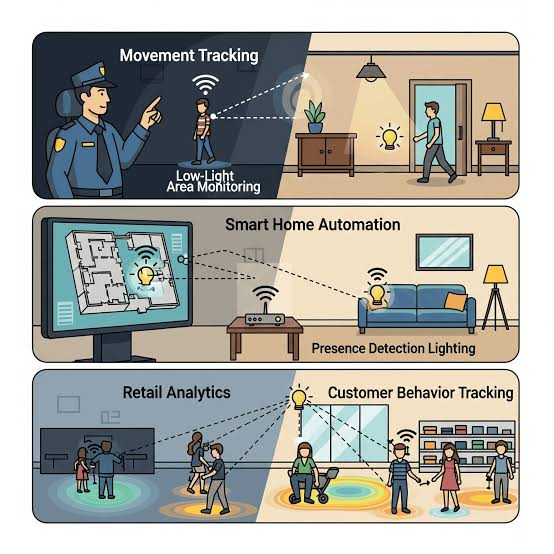
Future technological standards like IEEE 802.11bf aim to turn radio waves into official sensing tools for gesture recognition and fall detection in senior care homes. However experts urge system engineers to build strict data encryption and privacy protections into these upcoming wireless standards before commercial products ship to millions of homes.
home wifi networks track daily routines by building detailed activity logs of when people wake up move around or leave their houses. Over time these detailed profiles reveal sensitive habits like sleep schedules exercise routines and personal visits. Without clear security guardrails installed inside router firmware nearby neighbors or unknown operators could intercept unencrypted signals and build detailed tracking databases without consent.
Understanding how ambient radio waves interact with human tissue helps engineers design better hardware defenses for future smart homes. Some developers suggest adding random signal noise to router outputs to scramble physical reflections while maintaining high internet speeds for streaming media.

Read Also: Hidden AI Profile: What Does It Know About Your Daily Habits?
As wireless internet technology becomes more advanced society must establish clear legal guidelines for spatial sensing data. Users deserve full control over whether their living rooms broadcast identifiable physical signatures into surrounding spaces. Until privacy safeguards become mandatory inside standard network hardware home wifi networks track people silently across everyday environments.