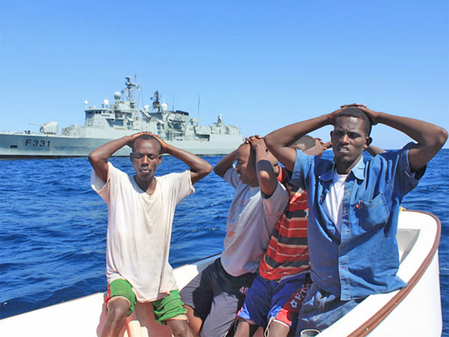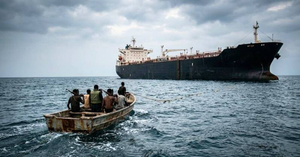



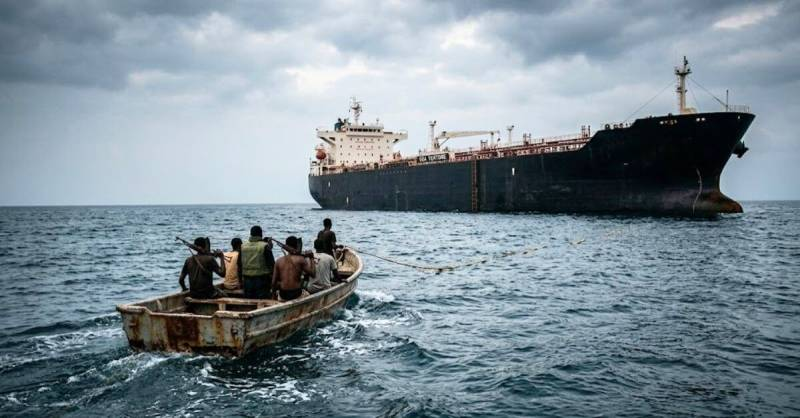
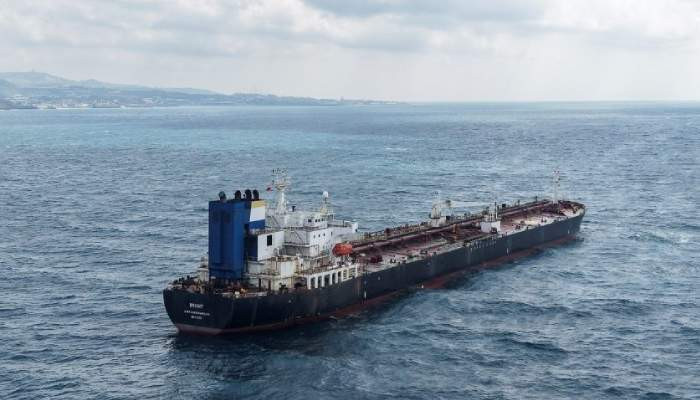
Tanker hijackings happen when armed groups board commercial vessels and force crews to change direction toward dangerous coastal zones. The British Maritime Trade Operations center confirmed a brand new incident in the Gulf of Aden near the Yemeni coast. Six armed individuals managed to board a large fuel vessel and take complete control of its steering systems. The hijacked ship is currently moving toward the Somali coast while naval forces track its coordinates from a safe distance.
Read Also: Somali Pirate Attacks Threaten Shipping Again Off Somalia Coast
This sudden attack highlights growing security risks across vital shipping channels near the Middle East and East Africa. The vessel sent an urgent distress signal about one hundred thirty six nautical miles east of Mukalla after seeing an unknown boat approach. Authorities have not released the official name of the vessel or details about crew safety yet. Maritime agencies urge all commercial captains passing through these waters to stay extra alert and report suspicious activity immediately.
Read Also: Suspected pirates hijack Yemeni fishing boat off Somali coast
Why tanker hijackings happen along busy global energy transport routes
tanker hijackings happen because shipping lanes near Aden and the Red Sea carry massive amounts of oil every single day. When local conflicts spill over into open waters commercial vessels become easy targets for regional armed groups and pirates.
Key factors behind these maritime incidents include:
- tanker hijackings happen when armed attackers use small fast boats to approach slow moving cargo ships
- Escalating political disputes create enforcement gaps that local armed groups take advantage of
- Diverting vessels toward unpatrolled shorelines makes rescue operations extremely difficult for foreign navies
The incident comes during a period of high friction across regional waterways following political threats and trade bans. The Ansar Allah movement in Yemen announced restrictions on certain commercial vessels passing through local waters. In response foreign military partners formed protective naval coalitions to guard freedom of navigation around the strategic Bab el Mandeb strait. These military moves show how quickly regional disputes can impact global supply networks.
tanker hijackings happen as different groups exploit busy shipping channels for leverage or financial gain. When fuel carriers get captured transport companies face massive delays and rising insurance costs. Captains must decide whether to take longer safer routes around Africa or risk passing through dangerous coastal areas.
Local authorities continue searching for information about who ordered this specific attack off the coast of Mukalla. No group has officially claimed responsibility for taking the vessel so far today. Security analysts warn that missing oversight in coastal regions allows pirate groups and political militias to coordinate swift operations without facing immediate naval resistance.
Read Also: EUROPEAN NAVAL FORCE FREES YEMENI FISHING BOAT SEIZED BY SUSPECTED SOMALI PIRATES
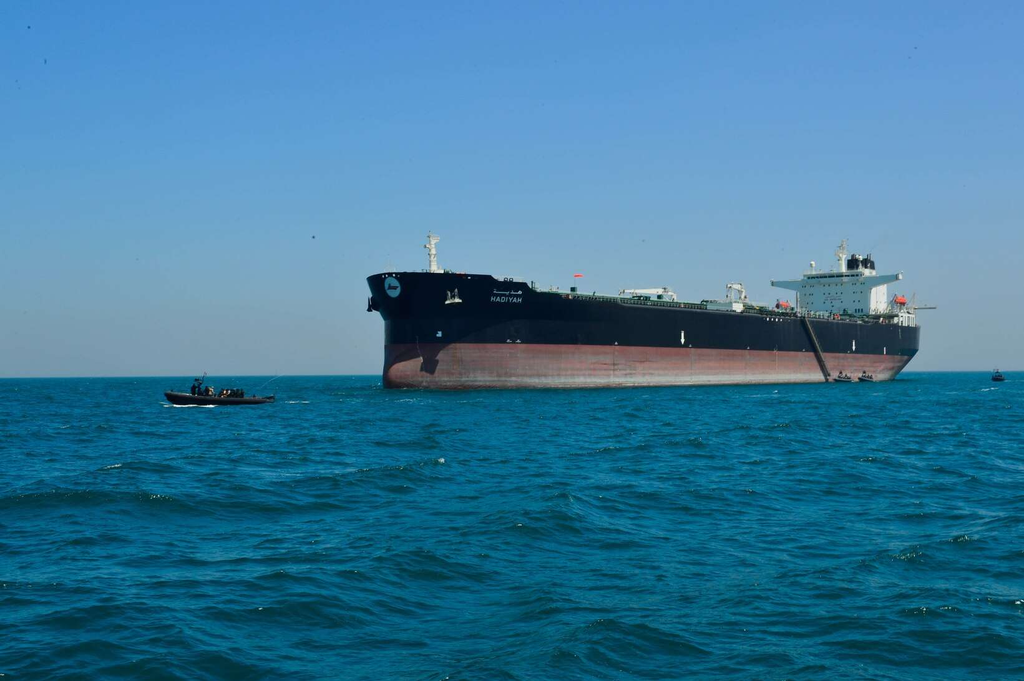
Naval forces operating in the Indian Ocean and Gulf of Aden face huge challenges tracking small boats across thousands of miles. tanker hijackings happen so fast that onboard security teams often do not have enough time to block entry points or call for quick military help. Keeping vital waterways safe will require stronger international cooperation continuous radar monitoring and extra security personnel on board commercial ships.