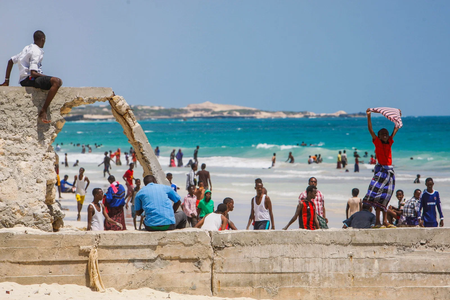
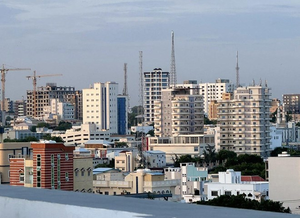

Mogadishu Abusivo land represents a huge debate in Somalia today because regular people have lived on these properties for generations while local leaders try to build modern streets and public spaces. In these neighborhood settlements families built basic homes on old farmland long before the capital expanded into their areas. Local residents call these places Abusivo or Bolo or even Tokyo because houses sit right next to each other and narrow alleys make driving difficult.
Read Also: Danab Force Deployment in Baidoa: Why It Matters Now
Families living in these communities worry that city planners look at their homes as random illegal slums instead of actual private property. However Mogadishu Abusivo land has a long history going back to old colonial times when people raised animals and farmed the soil. As the city grew bigger over time those small family farms slowly became crowded residential areas for workers looking for cheap housing.
Mogadishu Abusivo land history and legal rights
Understanding Mogadishu land means looking deeper than just crowded houses and small dirt roads. Old family records show that local families owned these spaces way before modern planning departments even existed in the capital. Treating these private holdings like public state property causes big problems for people who inherited their plots from parents and grandparents.
Trouble usually starts when city officials try to widen streets without checking original property boundaries first. City growth is definitely important for a growing capital but building better roads should never erase basic land rights. Anyone living on Mogadishu land deserves proper legal recognition or fair payment if the city decides to use their property for government projects.
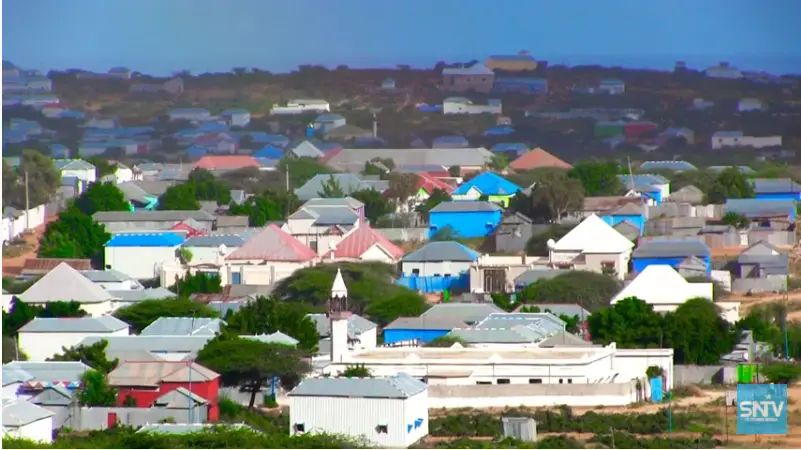
City leaders must learn the clear difference between public government space and private properties that became crowded over time. When officials treat Mogadishu Abusivo land like empty state land they ignore years of hard work and local family history. Good city planning can easily happen without taking away land rights as long as leaders sit down and talk with community members.
Read Also: Somalia UK Security Talks: How Are B
Instead of kicking families out of their long time homes urban planners can sit with neighborhood groups to fix traffic bottlenecks. Upgrading Mogadishu Abusivo land using team decisions gives local families better water lines and paved roads without destroying their homes. This simple approach respects basic property rights while letting the capital modernize its neighborhoods.
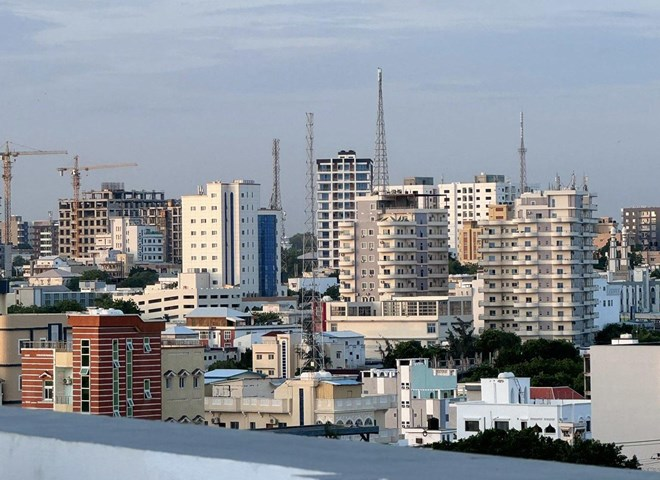
The future of housing across Somalia relies on fair deals for every neighborhood in town. Protecting rights on Mogadishu Abusivo land gives homeowners peace of mind to invest in concrete walls and proper sanitation. When families feel safe in their homes the whole city gets safer streets and stronger local neighborhoods.
Read Also: How Baidoa security tension affects local families moving ?
Planners can easily write balanced rules that respect old property titles while constructing clean new roads.