

Dengue fever cases in Malaysia are rising at a very dangerous speed right now across the capital city and nearby areas. Local health workers in Kuala Lumpur are spraying chemical insecticides every day to control mosquitoes after official reports showed huge spikes in infection numbers. Government agencies issued serious warnings because people traveling between regions could easily carry this mosquito virus to quiet rural towns across the country.
Read Also: Why Is Mother Child Health care in Somalia Facing Major Challenges?
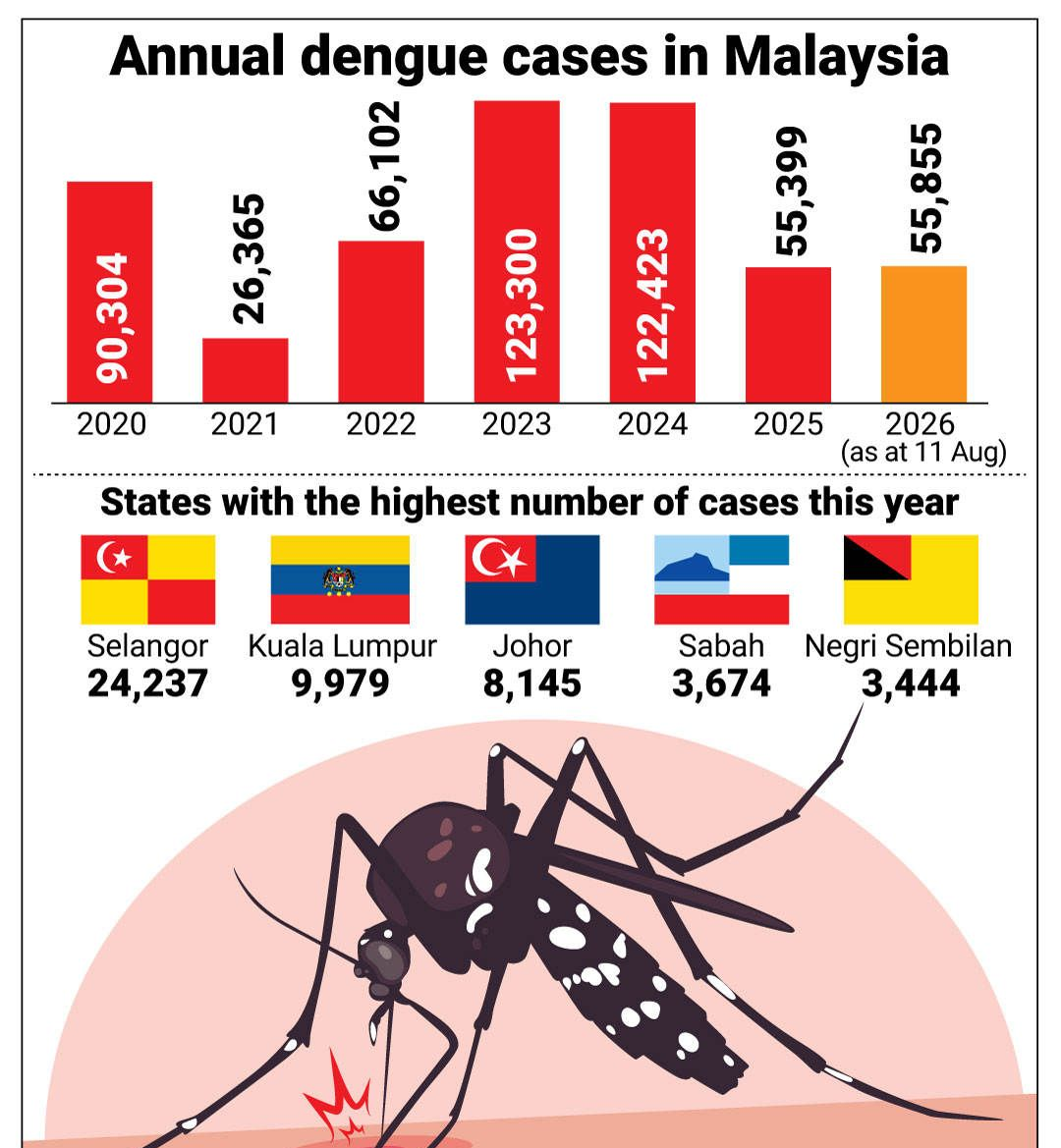
The health ministry confirmed that most new Dengue fever cases in Malaysia sit around the Klang Valley urban zone including Putrajaya and Selangor state. Official reports count more than fifty eight thousand infections since early August which marks a massive fifty six percent increase compared to last year. Doctors already recorded fifty five deaths from severe medical complications which makes families very worried about their safety.
Dengue fever cases in Malaysia causes and official response
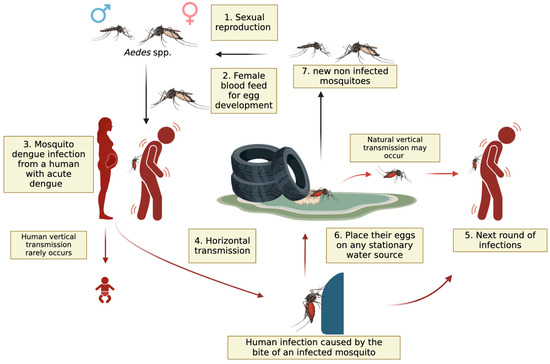
Understanding why Dengue fever cases in Malaysia increased so fast means looking closely at recent changing weather patterns. Heavy rains combined with hot sunny days create tiny water pools where dangerous mosquitoes lay thousands of eggs every single day. Urban areas with dense housing make it very easy for bugs to spread viral infections from person to person within local neighborhoods.
City health departments are working hard to track new cases early and clean up standing water in residential zones. Even though these quick responses show small positive results the overall danger across the country remains extremely high. Government leaders ask everyone to clear out old buckets and clogged roof gutters so mosquitoes cannot breed near homes.
Read Also: Better sleep habits: how can you get a good rest tonight?
Patients suffering from Dengue fever cases in Malaysia experience sudden high fever along with severe headaches and body aches. The virus also causes red skin rashes and intense joint pain that makes simple daily tasks very painful for sick people. Severe cases often lead to dangerous internal bleeding which requires urgent hospital care because no simple vaccine exists to treat it.
Hospitals in major cities are preparing extra beds and medical supplies to handle the constant flow of sick patients arriving each morning. Local clinic staff work long hours to test patients showing early signs of high body temperatures and joint pain. Public awareness programs are broadcasting health warnings on local radio stations to remind citizens about basic safety steps.

Read Also: Cholera outbreak spreading: Millions of kids in 6 nations at risk
Health experts expect infection numbers to stay high until the unpredictable rainy weather clears up completely. Local leaders promise to keep adjusting their medical plans based on weekly disease reports from nearby clinics. If everyone works together to clear standing water and follow basic health tips the country can slow down this worrying outbreak and protect vulnerable families.