
Close Menu
    Follow us
    • Facebook
    • Twitter
    What's Hot
    How Strait of Hormuz Crisis Impacts Trade and Iran’s Economy

    How Strait of Hormuz Crisis Impacts Trade and Iran’s Economy

    How Somali University Startup Hubs Drive Economic Growth

    How Somali University Startup Hubs Drive Economic Growth

    Uganda Troop Withdrawal: Impact on Somalia Security by 2027

    Uganda Troop Withdrawal: Impact on Somalia Security by 2027

    Facebook X (Twitter) Instagram
    Sunday, August 30
    Facebook X (Twitter) Instagram TikTok Threads YouTube
    Somali probeSomali probe
    • Local News
    • Business & Technology
    • Politics
    • Education
    • Health
    • Culture
    Somali probeSomali probe
    Home»Local News»Uganda Troop Withdrawal: Impact on Somalia Security by 2027
    Local News

    Uganda Troop Withdrawal: Impact on Somalia Security by 2027

    August 30, 2026
    Share Facebook Twitter Pinterest Telegram LinkedIn Tumblr Email Copy Link
    Uganda Troop Withdrawal: Impact on Somalia Security by 2027
    Uganda Troop Withdrawal: Impact on Somalia Security by 2027
    Share
    Facebook Twitter LinkedIn Pinterest Reddit Telegram WhatsApp Email Copy Link

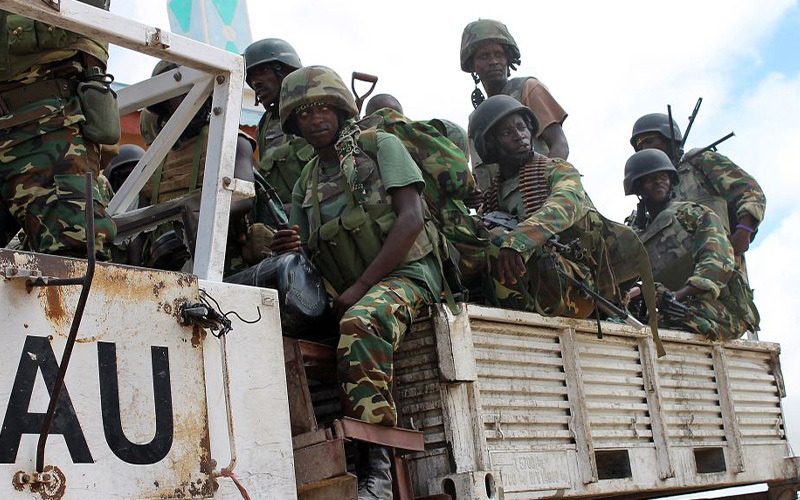
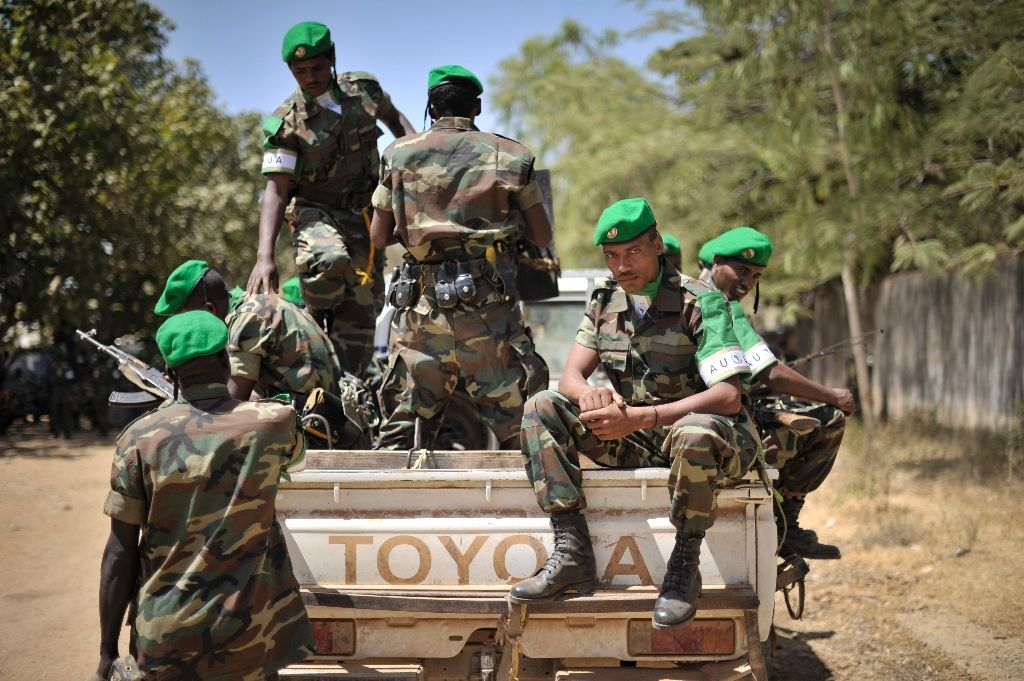
    Uganda troop withdrawal plans announced recently by military leaders mean a major shift for security in East Africa as a long chapter comes to an end. General Muhoozi Kainerugaba stated that the national forces will leave the country in August 2027 after completing twenty full years of service since their initial deployment back in early 2007. Troops from this East African nation currently operate under multiple missions including the African Union support framework and security units guarding UN offices in Mogadishu. Financial strains and dropping international funding pushed senior commanders to recommend pulling back their soldiers. Managing this upcoming Uganda troop withdrawal safely requires careful planning by local federal forces to take over full defensive duties.
    Read Also: How Mogadishu Abusivo Land Shapes Ownership and Urban Growth

    Key challenges surrounding the Uganda troop withdrawal timeline

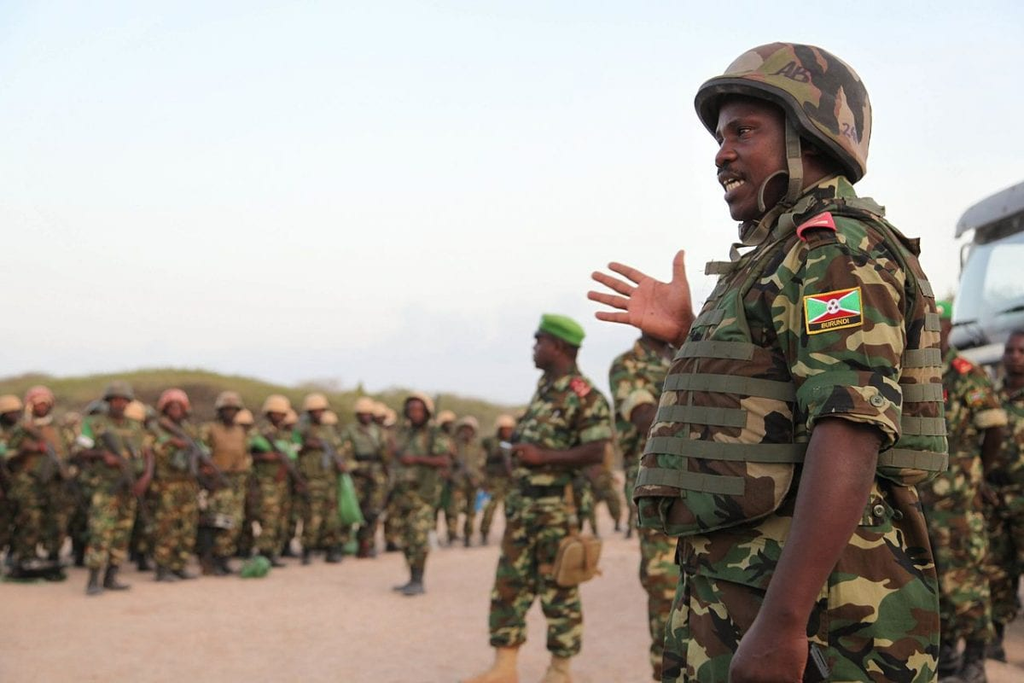
    Preparing local security forces to take total charge of the country remains a massive task for national leaders in Mogadishu. The departing soldiers played a central role in keeping major cities safe from militant groups for two full decades. When the Uganda troop withdrawal happens local units must step up without causing security gaps that outside fighters could exploit. Military planners are working hard to train new recruits and secure proper equipment before the final departure date arrives.

    Financial pressures driving the Uganda troop withdrawal decision

    Money issues played a huge part in the choice made by military commanders to bring their soldiers back home. International funding for peacekeeping operations has dropped over recent years making it harder to sustain long term foreign deployments. At the same time the government in Kampala is looking at other international commitments including potential missions in other regions. This shift in foreign policy priorities makes the Uganda troop withdrawal a logical step for their defense budget.
    The future of regional missions after the Uganda troop withdrawal

    Ending a twenty year military presence changes how regional organizations handle peacekeeping and stability efforts across the Horn of Africa. Neighboring countries will need to coordinate closely to ensure that the transition period goes smoothly for everyone involved. As the Uganda troop withdrawal draws closer diplomatic talks are ongoing to find alternative support models for local defense units. Maintaining regional stability depends heavily on how well the national army absorbs total security responsibilities once foreign troops depart.

    Read Also: UN Las Anod Visit: Humanitarian Impact

    Local defense readiness ahead of the Uganda troop withdrawal

    Federal authorities in the capital are stepping up recruitment and training programs to ensure national forces are fully prepared. Building a self sustaining army takes time resources and strong logistical networks that can operate independently. Local commanders express confidence that local soldiers will be ready to secure borders and urban centers well before the Uganda troop withdrawal date arrives. International partners continue to offer advisory support to help build stronger domestic defense capabilities.
    Read Also: Las Anod Clashes and Human Rights Accountability

    Looking toward the future as the Uganda troop withdrawal approaches brings both challenges and opportunities for national sovereignty. Taking complete control of domestic security allows the nation to shape its own path forward without heavy reliance on external military assistance. Careful preparation and steady leadership will ensure that the country remains stable long after the final foreign battalions pack their gear and leave.

    HORN OF AFRICA mogadishu somalia
    Share. Facebook Twitter LinkedIn Reddit WhatsApp Telegram Email Copy Link
    Previous ArticleHow Rural Telemedicine Services Improve Healthcare Access
    Next Article How Somali University Startup Hubs Drive Economic Growth

    Related Posts

    How Somali University Startup Hubs Drive Economic Growth
    Education

    How Somali University Startup Hubs Drive Economic Growth

    August 30, 2026
    How Somalia Education Reform Can Transform Learning
    Education

    How Somalia Education Reform Can Transform Learning

    August 28, 2026
    How Abusivo Land Ownership Shapes Mogadishu?
    Local News

    How Abusivo Land Ownership Shapes Mogadishu?

    August 28, 2026
    Latest Posts
    How Strait of Hormuz Crisis Impacts Trade and Iran’s Economy

    How Strait of Hormuz Crisis Impacts Trade and Iran’s Economy

    How Somali University Startup Hubs Drive Economic Growth

    How Somali University Startup Hubs Drive Economic Growth

    Uganda Troop Withdrawal: Impact on Somalia Security by 2027

    Uganda Troop Withdrawal: Impact on Somalia Security by 2027

    How Rural Telemedicine Services Improve Healthcare Access

    How Rural Telemedicine Services Improve Healthcare Access

    You May Also Like
    How Somali University Startup Hubs Drive Economic Growth

    How Somali University Startup Hubs Drive Economic Growth

    August 30, 2026

    Somali university startup hubs are changing how young students think about their future after graduation…

    How Somalia Education Reform Can Transform Learning

    How Somalia Education Reform Can Transform Learning

    August 28, 2026

    Somalia education reform is necessary right now because young people need better schools to build…

    How Abusivo Land Ownership Shapes Mogadishu?

    How Abusivo Land Ownership Shapes Mogadishu?

    August 28, 2026

    Abusivo land ownership represents one of the most critical challenges facing the capital of Somalia…

    Why World interest in Somalia is growing so fast today?

    Why World interest in Somalia is growing so fast today?

    August 27, 2026

    World interest in Somalia is growing so fast today because the nation sits right next…

    How Mogadishu Abusivo Land Shapes Ownership and Urban Growth

    How Mogadishu Abusivo Land Shapes Ownership and Urban Growth

    August 27, 2026

    Mogadishu Abusivo land represents a huge debate in Somalia today because regular people have lived…

    Facebook X (Twitter) Instagram Threads TikTok

    News

    • Local News
    • Business & Economy
    • Politics
    • Education
    • Health
    • Culture

    Editor's choice

    Politics

    How Strait of Hormuz Crisis Impacts Trade and Iran’s Economy

    August 30, 2026
    Education

    How Somali University Startup Hubs Drive Economic Growth

    August 30, 2026
    © 2026 Somali Probe
    • Privacy Policy
    • Terms & Conditions
    • Contact us

    Type above and press Enter to search. Press Esc to cancel.