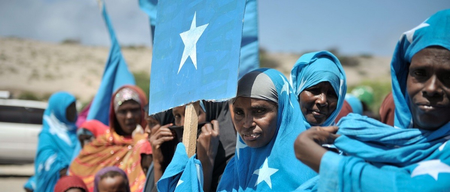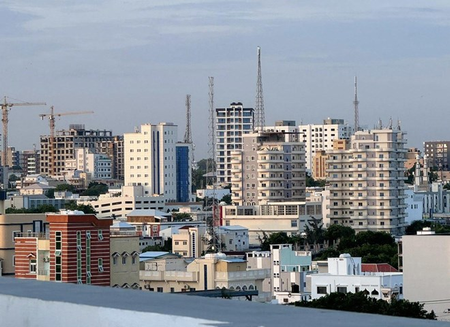
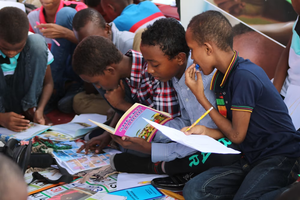


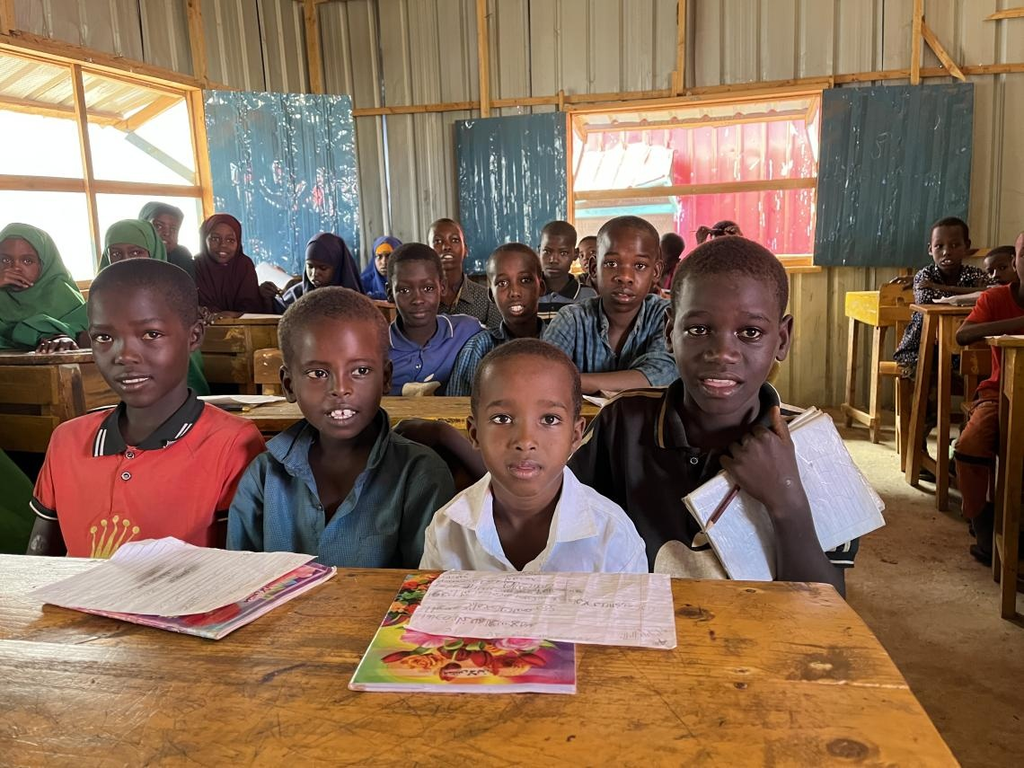
Somalia education reform is necessary right now because young people need better schools to build a strong future for the nation. For a long time schools faced huge problems from lack of funds to missing books and broken classrooms. But new ideas are coming up that can rebuild the whole system from scratch. When communities and leaders work together on real solutions kids get a chance to learn skills that actually help them find jobs. Understanding how Somalia education reform works shows us what steps must happen to turn things around for good.
Read Also: Why practical skills matter more than traditional college degrees?
Key steps for Somalia education reform
First of all bringing technology into rural classrooms is a major shift. Many kids live far away from big cities and cannot reach standard school buildings every day. Solar powered tablets and low cost radio lessons let students study from home or small community hubs. This means distance no longer stops a child from getting basic knowledge in math and reading.
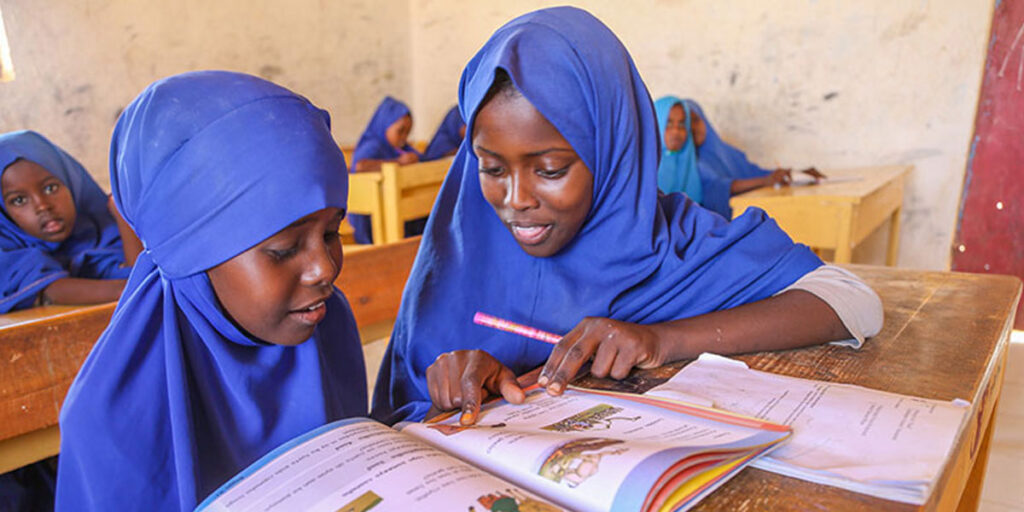
Second training local teachers with modern skills makes a massive difference. Many teachers work hard but they never got formal training or access to updated guides. When teacher programs focus on active learning and patient methods the quality of lessons goes way up. Good teachers keep kids interested so they do not drop out early.
Read Also: Things That Happen If Internet blackout Somalia Continues
Third creating a single national curriculum unites schools across different regions. In the past different schools used different books from other countries which caused confusion for students moving around. A unified system makes sure every child learns the same core subjects and values. This helps build national pride and equal chances for all children regardless of where they live.
Fourth strengthening public funding and local partnerships ensures schools stay open long term. Relying only on temporary international aid makes it hard to plan for the future. When local business leaders and local councils pool funds together they can fix roofs buy desks and pay staff on time. Sustainable funding allows schools to operate without unexpected shutdowns.
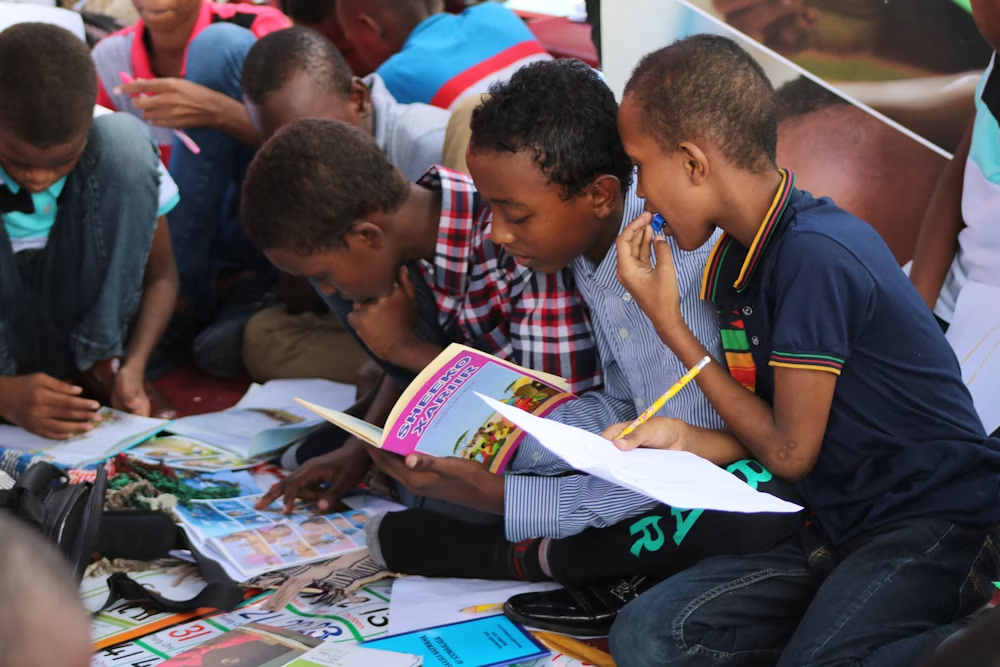
Fifth focusing on practical vocational training prepares older youth for actual jobs. Not every student wants to go to a university and the local economy needs skilled workers like electricians builders and mechanics. Adding trade skills to high school programs gives teenagers a clear path to earn a living right after graduation. This keeps young people active and helps rebuild local industries faster.
Why Somalia education reform matters today
Pushing for Somalia education reform is not just about building better rooms or handing out new textbooks. It is about giving the next generation the tools they need to fix bigger societal issues and create peace. Children who get a decent basic education grow up to make better choices for their families and communities.
Investing effort into Somalia education reform also encourages parents to send both boys and girls to class equally. In many rural areas girls were left out of school to help with home chores. When schools become safer and closer to home communities welcome equal learning opportunities for all kids.
Governments and local groups must keep pushing Somalia education reform forward without stopping. Real change takes time and steady effort from everyone involved in the process. When leaders stick to these five methods the quality of life across the country will improve greatly.
Read Also: College Admission Mistakes: Things You Should Know
By committing to Somalia education reform the country can transform its school system into a driver of progress. Modern tools good teacher training clear books community money and trade skills are the pillars of this change. With these five approaches in place the future looks much brighter for every child in the land.