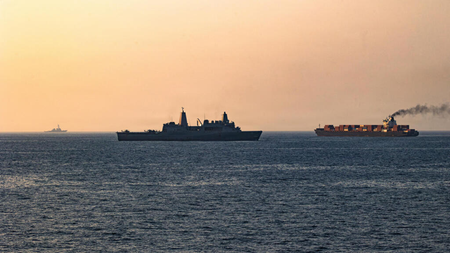

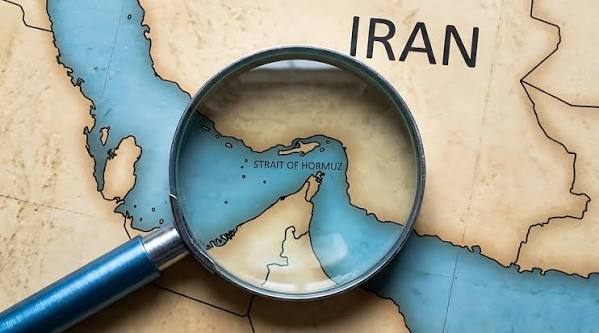
Strait of Hormuz crisis updates show that tensions in the region remain very high as a tough economic blockade puts heavy pressure on the country. After months of ongoing conflict the situation has turned into a deep financial battle affecting trade and fuel supplies across the nation. While American officials claim total control over the waterway Tehran insists that no ships can pass without proper coordination and local approval. The Strait of Hormuz crisis continues to disrupt global shipping lanes and push leaders to look for alternative sea routes. Understanding the Strait of Hormuz crisis helps explain the growing economic troubles and military standoffs happening in West Asia right now.
Read Also: Secret Shipping Corridor Changes Control in Strait of Hormuz
Economic pressure and trade issues during the Strait of Hormuz crisis
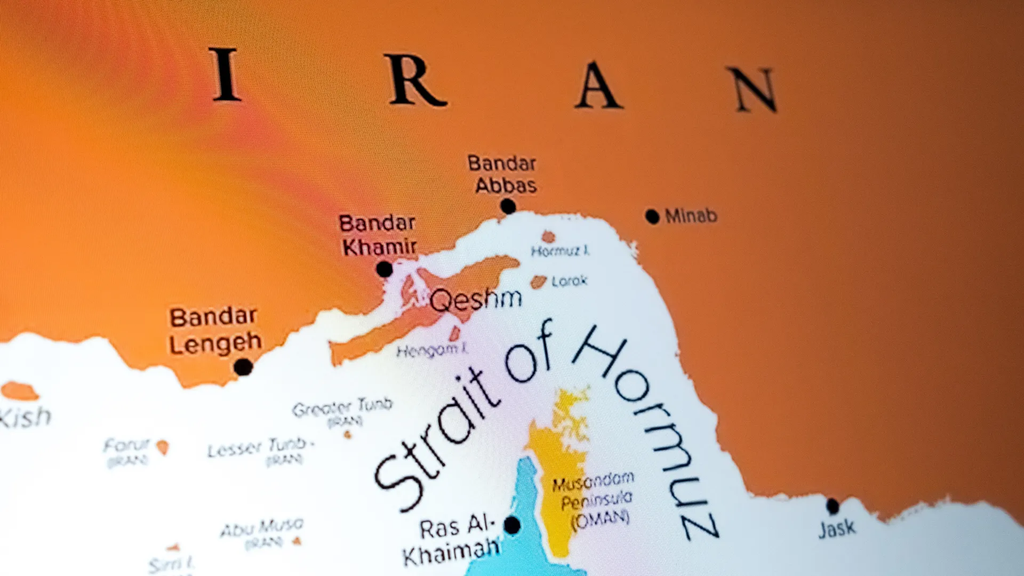
The ongoing Strait of Hormuz Tensions has severely hurt local business operations and dropped import and export numbers across major ports. Recent reports show that key shipping hubs like the port at Bandar Abbas faced total operational shutdowns due to tightening naval controls. President Masoud Pezeshkian noted that trade volumes dropped significantly because of strict foreign sanctions and naval blockages. Local factories and businesses struggle to move goods in and out of the country as international carriers avoid the risky waters.
Fuel shortages linked to the Strait of Hormuz crisis
Energy infrastructure inside the capital also suffered heavy damage during earlier military exchanges that took out major fuel storage depots. With storage sites operating far below normal capacity the local government faces huge hurdles in distributing gasoline to everyday citizens. Officials admit that fuel prices might need to rise to cope with the massive drop in commercial activity and trade revenue. These domestic energy problems make the broader Strait of Hormuz crisis even harder for regular families to handle.
Read Also: How Will the Strait of Hormuz Conflict End?
New shipping routes during the Strait of Hormuz Tensions
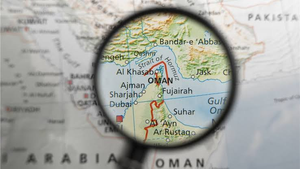
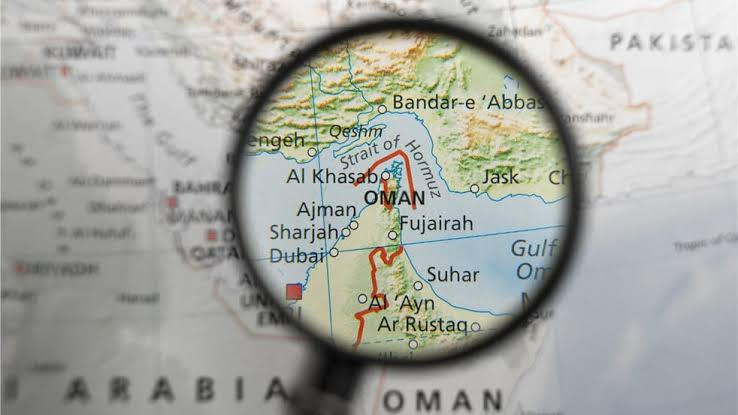
Satellite images recently revealed that foreign military engineers secretly dredged a new shipping corridor near the Omani side of the waterway. This hidden path lets certain vessels bypass traditional checkpoints and stay away from local surveillance zones. However Iranian officials maintain that the main water passage remains under strict watch and any unauthorized movement will face severe restrictions. Navigational safety stays uncertain as both sides claim different levels of authority over the strait.
Diplomatic roadblocks in the Strait of Hormuz crisis
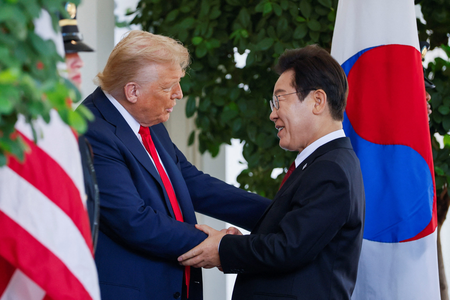
Diplomatic efforts to fully reopen the vital trade route have hit major walls because of a deep lack of trust between Washington and Tehran. While temporary agreements allowed some oil sales earlier in the year permanent resolutions require major political compromises. Regional neighbors continue to push for peaceful talks to prevent further economic damage to global markets. Without real compromises from major powers the Strait of Hormuz crisis will keep threatening international commerce for months to come.
Read Also: What is causing the sudden navigation drop in Strait of Hormuz?
Solving the Strait of Hormuz Tensions requires honest negotiations and practical steps from all global players involved in the region. As long as economic sanctions and naval standoffs continue businesses and citizens will bear the heavy cost of the blockade. Monitoring future developments around the waterway remains crucial for understanding where the regional economy is heading next.