

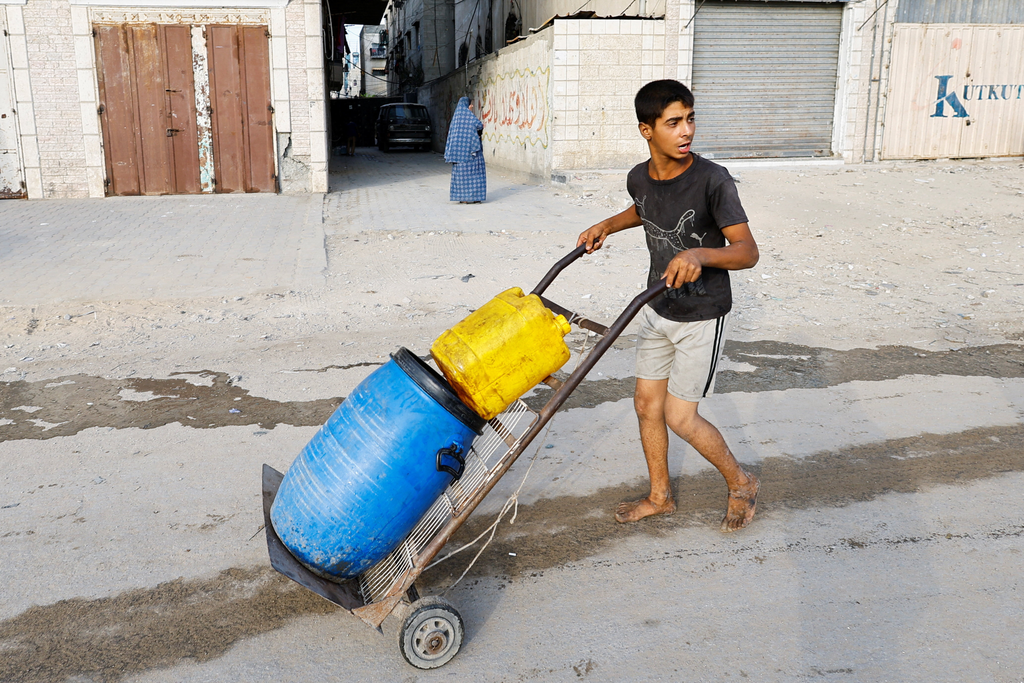
Gaza water system crisis threatens over two million people with extreme thirst as basic services grind to a complete halt across the region. Local municipalities warn that essential facilities face total collapse due to a severe shortage of fuel and necessary engine oils. Only forty generators out of seven hundred are currently receiving the supplies needed to pump clean water and manage sewage systems. For five straight months blockades on crucial materials have pushed the Gaza water system to the edge of an unprecedented disaster that jeopardizes daily public health.
Read Also:Gaza Water System Collapse: Why Millions Face Risks
How the Gaza Water System Breakdown Impacts Daily Life
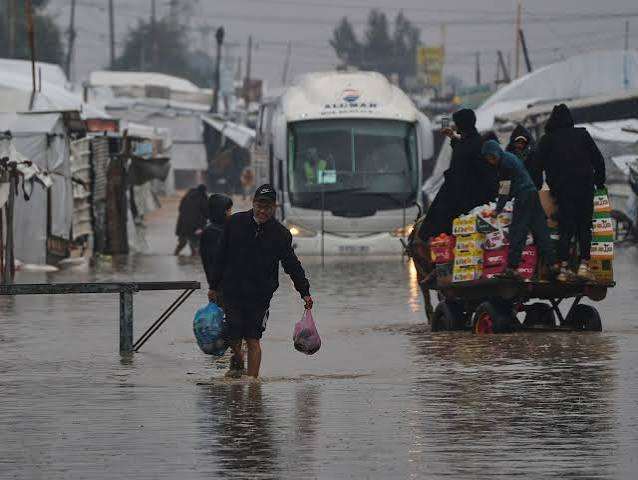
The Union of Gaza Municipalities states that without proper maintenance materials wells cannot pump clean water into local neighborhoods. Untreated sewage water threatens to flood public streets and spill directly into crowded camps housing displaced families. This dangerous scenario increases the rapid spread of serious diseases among young children and vulnerable elderly residents. Furthermore municipal trucks lack the fuel required to clear rubble open blocked roads or pick up overflowing piles of trash in city centers.
| Affected Sector | Key Operating Issues | Direct Consequences |
| Water Supply | Only 40 of 700 generators functioning | Massive freshwater shortages across cities |
| Sanitation Services | Sewage pumps lacking necessary oils | Sewage flooding in displaced refugee camps |
| Waste Management | Municipal vehicles out of fuel | Garbage accumulating on public roads |
| Healthcare Centers | Mobile clinics and clinics closed | Critical care delayed for mothers and kids |
Hospitals and medical care teams face equally terrifying struggles as fuel shortages force facilities to shut down permanently. More than thirteen mobile medical units serving remote border areas stopped operating completely because vehicles ran out of essential oil and fuel. The Rimal Medical Center in Gaza City suspended all patient services leaving thousands of sick individuals pregnant women and injured children without basic medical attention.
Read Also: How do platforms react to netanyahu rejection of gaza deal?
Medical Emergencies Worsen Gaza Water System Failures
Doctor Mohammad Abu Afash from Medical Relief confirms that healthcare workers face painful ethical choices every day. Doctors must decide which patients receive remaining medical supplies because resources are almost completely gone. Electricity cutoffs broken medical equipment without spare parts and a shortage of basic lab testing supplies make running clinics nearly impossible.
Read Also: Gaza war reality is still going on today
The combination of a collapsing Gaza water system and a struggling healthcare network creates a severe humanitarian crisis. Without immediate deliveries of fuel engine oils and medical supplies basic survival for millions of residents grows harder every passing day. Local authorities urge international relief agencies to intervene before the entire municipal and health infrastructure collapses completely.