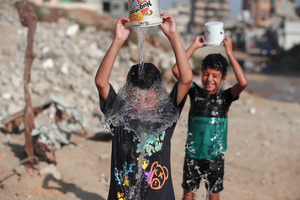


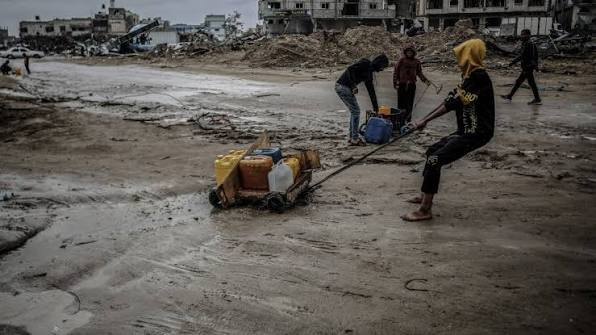
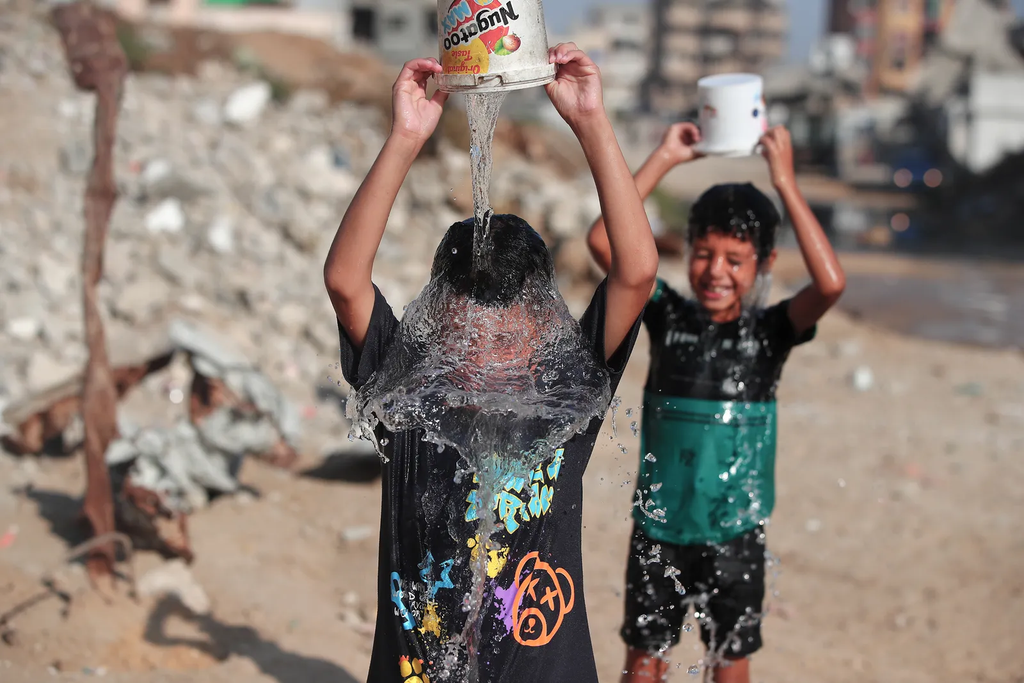
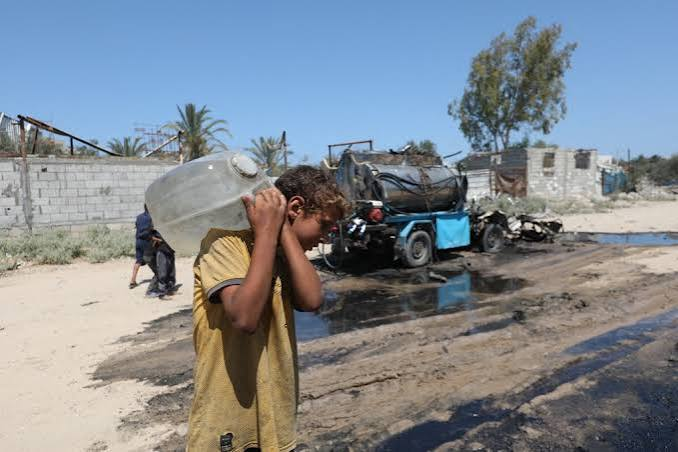
Gaza water system collapse poses a massive threat to local communities as fuel and oil shortages worsen every day. Local municipal leaders warn that the entire infrastructure is on the verge of shutting down completely. Oils have been provided for only forty generators out of seven hundred units across the whole area. The lack of necessary supplies has directly damaged water wells and sewage pumping stations for five months straight. Without immediate fuel shipments local residents face catastrophic water shortages and major health risks. Preventing Gaza water system collapse is now the main priority for emergency crews working in the area.
Read Also: How do platforms react to netanyahu rejection of gaza deal?
Disaster awaits if sewage pumps stop working entirely due to a total lack of generator oil. Raw sewage is already beginning to flood public streets and spread into crowded displacement camps. This dangerous situation creates a high risk of waterborne diseases and viral infections among vulnerable families. Municipalities have received zero fuel for heavy clearing machinery since early March this year. Essential public services including garbage collection road clearing and sanitation work are completely stalled. Every passing day without fuel brings the entire population closer to a severe public health emergency.
Gaza water system collapse impacts on public health and medical services
The shortage of fuel and spare parts is also destroying the local healthcare network. Medical centers are facing complex operational challenges due to missing laboratory items and continuous power blackouts. Medical relief teams had to suspend mobile health services in border areas because vehicles ran out of oil. A major medical center serving thousands of local patients stopped operations completely due to these supply shortages. Critical cases including young children and pregnant women are left without basic care options. Doctors now face painful decisions when deciding which critical patients receive the few remaining medicines.
Read Also: Gaza mosque strike: why did the Israeli army bomb it?
Skin conditions and stomach infections are spreading rapidly among displaced families as a direct result of the Gaza water system collapse. Over twenty one thousand sick people are currently waiting for permission to leave the area for urgent treatment abroad while the Gaza water system collapse makes daily living conditions even worse. Many of these patients suffer from severe long term illnesses that cannot be treated in local facilities already strained by the Gaza water system collapse. Healthcare workers are asking for immediate international help to open safe delivery routes for supplies to manage the crisis caused by the Gaza water system collapse. Emergency shipments of medical gear fuel and vehicle spare parts are needed to keep basic clinics open.
Urgent international intervention is required to prevent total disaster across all municipal sectors. Local leaders are urging international partners to press for open transit routes for essential fuels. Without steady oil deliveries water pumps will stop running completely within a very short timeframe. Restoring access to clean drinking water is the only way to protect millions of lives from preventable diseases.
Read Also: Why netanyahu rejects plan that was offered for gaza?
Every day without proper supplies makes recovery much harder for frontline medical staff and municipal workers. Local crews continue working in extreme conditions to fix broken pipes and keep essential units running. However manual effort alone cannot replace heavy machinery generators and fuel reserves. Sustainable aid flow remains the only solution to save lives and rebuild essential utility networks.