
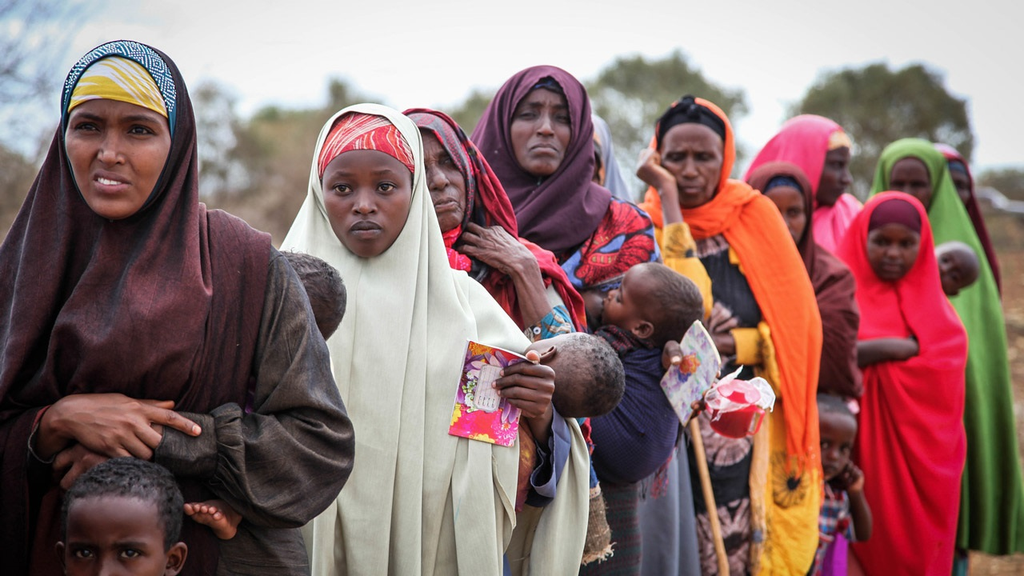
Somalia infectious diseases create a very tough situation for millions of families and doctors across the region. The healthcare system has been weak for many years because of long conflicts and bad weather like droughts and sudden floods. When clean water is hard to find people have to drink from unsafe sources which makes them sick very fast. Children and elderly people are usually the ones who suffer the most from these illnesses. Many health centers do not have enough medicine or trained staff to treat everyone who gets sick. Understanding which health problems are spreading fast helps aid groups plan where to send food water and medical supplies.
Read Also: Somalia Clean Water Shortage and Health Crisis Explained
Waterborne outbreaks and cholera in vulnerable communities
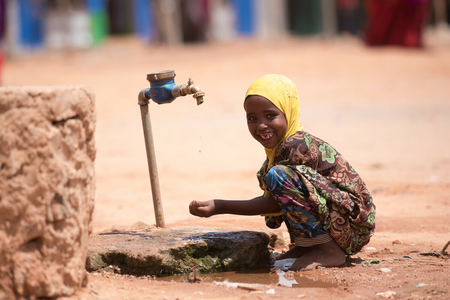
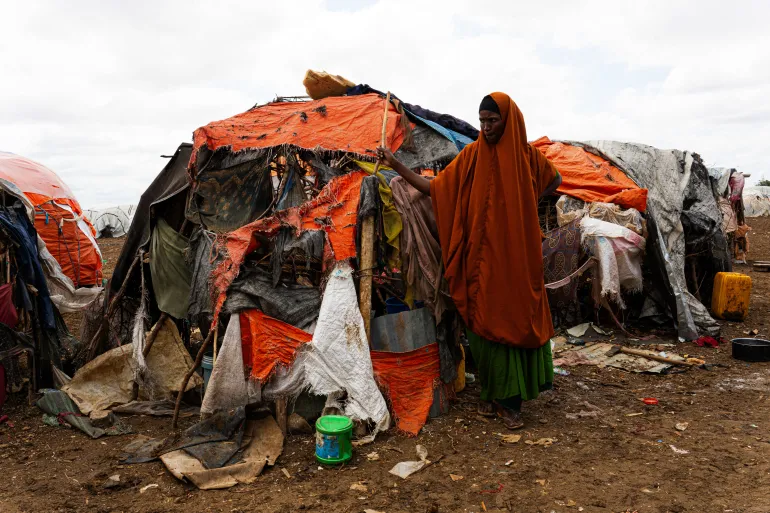
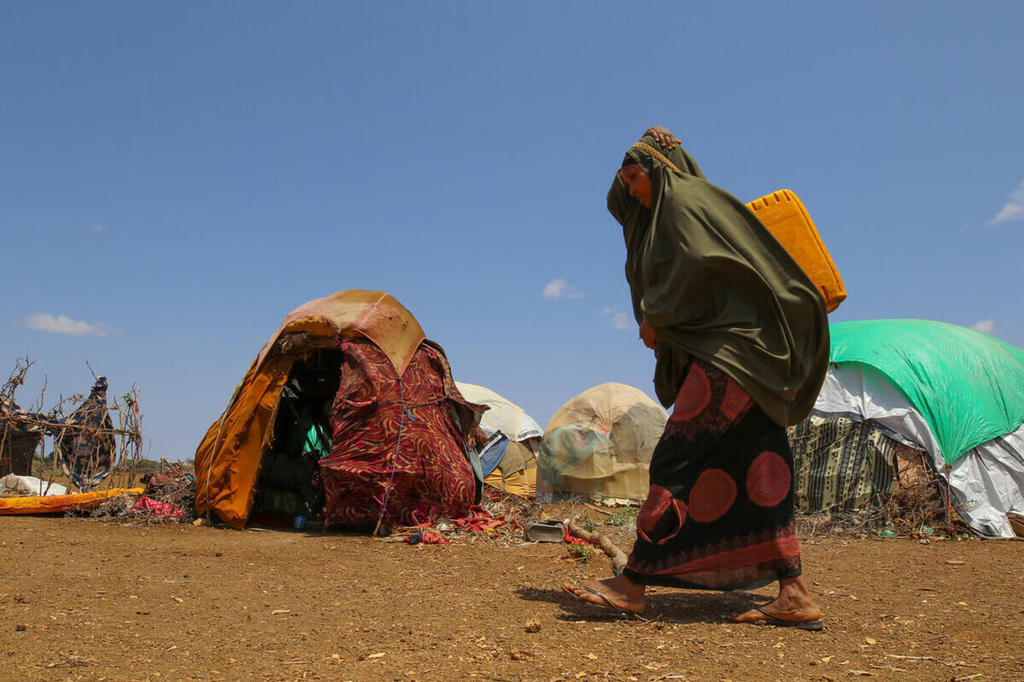
Waterborne infections are among the biggest challenges because cholera and severe diarrhea spread quickly in crowded camps. When families are forced to leave their homes due to bad weather they live in temporary shelters without proper toilets or clean water taps. Studying Somalia infectious diseases helps aid groups understand why cholera causes severe dehydration very quickly and can be deadly if a person does not get fluids right away. Local clinics often run out of rehydration salts during big outbreaks of Somalia infectious diseases when hundreds of sick people arrive at the same time. Teaching simple handwashing rules and giving out water purification tablets to prevent Somalia infectious diseases saves many lives in these remote places.
Read Also: How Child Malnutrition in Somalia Impacts Lives and Communities
Respiratory illnesses and pneumonia risks among young children
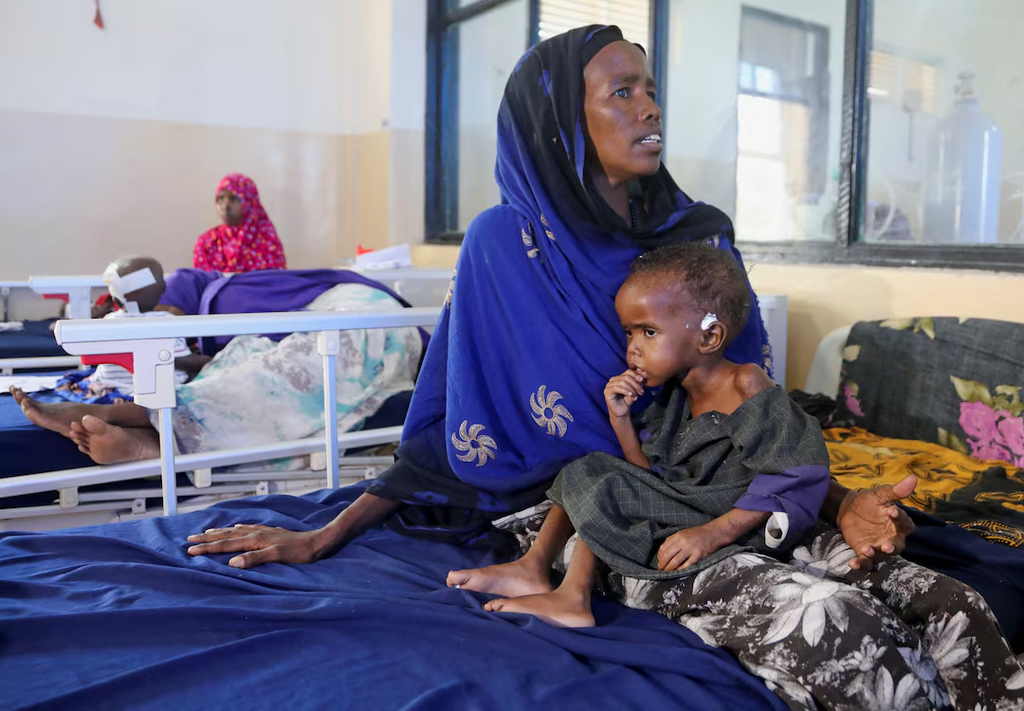
Respiratory illnesses like pneumonia also pose a huge danger to young babies and toddlers across the country. Dust cold nights and poor living conditions in small tents make it easy for lung infections to pass from one child to another. Without proper antibiotics or oxygen tanks in local health posts simple chest infections can turn into severe health emergencies very fast. Nutrition issues also play a huge role because malnourished children have weak immune systems that cannot fight off basic infections.
Measles spread and vaccination challenges across regions
Measles remains another major threat that returns every single year in different towns and villages. Understanding Somalia infectious diseases helps health workers track how this highly contagious virus causes high fever red rashes and can lead to dangerous complications like blindness or brain inflammation. Many children miss their regular childhood vaccines against Somalia infectious diseases because their families are constantly moving from place to place to find food and safety. Mobile health teams travel long distances on rough roads to reach these moving groups and protect kids from Somalia infectious diseases before an outbreak starts.
Tuberculosis transmission in crowded living environments
Tuberculosis is a long term health issue among Somalia infectious diseases that affects many adults who live in close quarters with little ventilation. It spreads through the air when an infected person coughs or sneezes nearby. Treating Somalia infectious diseases like this takes many months of continuous medication which is hard for people who do not have stable homes or money to travel to clinics every week. When patients stop taking their pills halfway through the bacteria can become resistant to standard drugs which makes Somalia infectious diseases much harder and more expensive to cure later.
Read Also: Why Is Mother Child Health care in Somalia Facing Major Challenges?
Mosquito borne illnesses like malaria and dengue fever
Malaria is another common sickness that spikes right after the rainy season when mosquitoes breed in standing water around villages. Fever joint pain and extreme fatigue leave parents unable to work or farm their land. Sleeping under treated mosquito nets is the easiest way to prevent bites but many poor households cannot afford to buy them without aid support. Spraying water puddles and distributing free bed nets help keep mosquito numbers down in high risk zones.
Polio eradication efforts and vaccination campaigns
Polio has also been a worry for health workers who are trying to eliminate the virus completely. While vaccination campaigns have made good progress over the years some hard to reach areas still have unvaccinated children. Health workers go door to door in villages to administer oral drops so that no child is left unprotected against paralysis.
Long term strategies for public health improvement
Solving these big health issues requires building better water networks trained medical workers and steady vaccine supplies. International organizations work alongside local health authorities to train community volunteers who can spot symptoms early. When people know how diseases spread they can take simple steps at home to protect their family members. Investing in basic health services gives the next generation a much better chance to grow up strong and healthy.