

In Africa drylands, the survival and prosperity of pastoralist communities depend on the health of rangelands, the availability of feed, and the resilience of their livestock.
For millions, livestock is more than a source of income – it provides food security, cultural identity, and a safety net during crises.
Yet recurring droughts, feed shortages, conflicts, and weak markets continue to threaten these vital livelihoods.
Strengthening fodder and feed value chains has emerged as a key solution to protect herds, secure incomes, and build long-term resilience.
FAO’s Resilience Meeting Highlights Breakthroughs
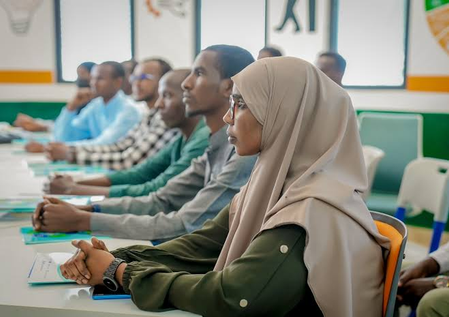
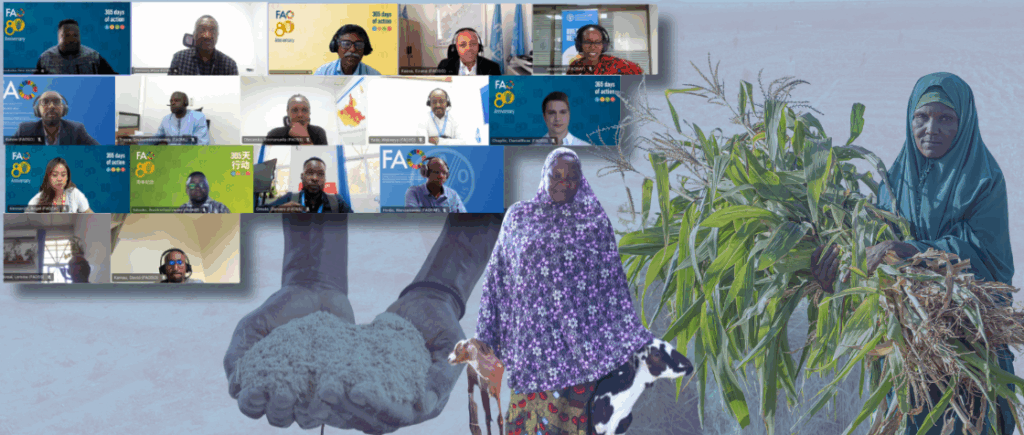
At September’s 2025 Community of Practice (CoP) of FAO’s Resilience Team for Africa, experts and practitioners from across the region convened to discuss how investments in fodder production, animal feed, and pastoral development hubs are transforming lives in Somalia and Mali.
The event highlighted how targeted support – from infrastructure to governance and value chain development – can turn fragile systems into resilient ones.
“Resilience is not built in reports or workshops – it is built in households and communities, by people through sustained commitment,” said Ezana Kassa, Officer-in-Charge, FAO Somalia.
Somalia: Livestock at the Heart of the Economy
Somalia’s economy depends heavily on livestock: 60–65% of the population relies on it, the sector contributes 45% to GDP, and in 2024 alone, livestock exports generated USD 970 million.
However, shocks such as droughts, locust invasions, and feed shortages – estimated at 34% – continue to pressure pastoralist families.
To address this, FAO and partners have invested over USD 70 million across nine projects in the past six years, half of which focus on fodder value chains.
These initiatives have reached more than 46,400 households (30% female-headed), supported 133 cooperatives, and built 346 infrastructures such as fodder facilities, markets, veterinary clinics, and water points.
Read also: Renewable Energy Solutions Transforming the Horn of Africa
Results from the Somali Information and Resilience Building Action (SIRA) Project
Evidence from SIRA project (2019–2025), funded by the Swiss Agency for Development and Cooperation, shows remarkable progress:
- 44% of participating households increased fodder production.
- Fodder productivity rose 42%, reaching 2.7 tonnes per hectare.
- Tropical livestock holdings increased by 21%.
- Daily milk production rose by 30%, earning households an extra USD 1 per day from milk sales.
- Each dollar invested generated USD 4.30 in returns, with an average net benefit of USD 603 per household.
By linking fodder hubs with animal health services, water points, and markets, Somalia is seeing stronger livestock, improved milk availability for children, diversified income sources, and community-led rangeland management.
Mali: Protecting Herds Amid Drought and Insecurity
In northern Mali, pastoralism sustains over 30% of the population and contributes 19% to GDP.
Yet prolonged drought and insecurity have severely undermined herds and food security.
Through pastoral kits valued at USD 198 each – containing livestock feed, nutritional supplements, veterinary medicines, and water containers – FAO and partners supported vulnerable households.
Including displaced families, female-headed households, and those with pregnant women or chronically ill members.
Key impacts of the kits:
- Daily milk production more than doubled (11.8 litres vs. 5.3 litres among non-beneficiaries).
- Household monthly milk income rose to USD 248 (compared to USD 110 for non-beneficiaries).
- 76% of beneficiary households achieved acceptable food consumption scores (vs. 58% among non-beneficiaries).
By safeguarding herds and stabilising incomes, the kits helped families avoid negative coping strategies, ensuring livestock remained a cornerstone for recovery and resilience.
Lessons for Strengthening Pastoralist Resilience
The experiences from Somalia and Mali demonstrate that pastoralist resilience depends on strong, inclusive feed and fodder systems.
When pastoralists have access to reliable feed, supportive services, and functioning markets, they can withstand shocks, sustain production, and improve household nutrition.
“These lessons highlight the importance of fodder production, stronger cooperatives, and private sector engagement to unlock the potential of livestock resources,” said Wilson Makuwaza, Livestock Development Officer, FAO South Sudan.
Looking Ahead: Scaling Up Across Africa Drylands
Through its Community of Practice, FAO will continue to share experiences across Africa, ensuring that pastoralist voices and locally driven solutions remain central to resilience building.
By investing in fodder value chains, animal health, and market infrastructure, FAO and partners are laying the foundation for resilient pastoralist livelihoods across the continent.
Source: FAO.org