


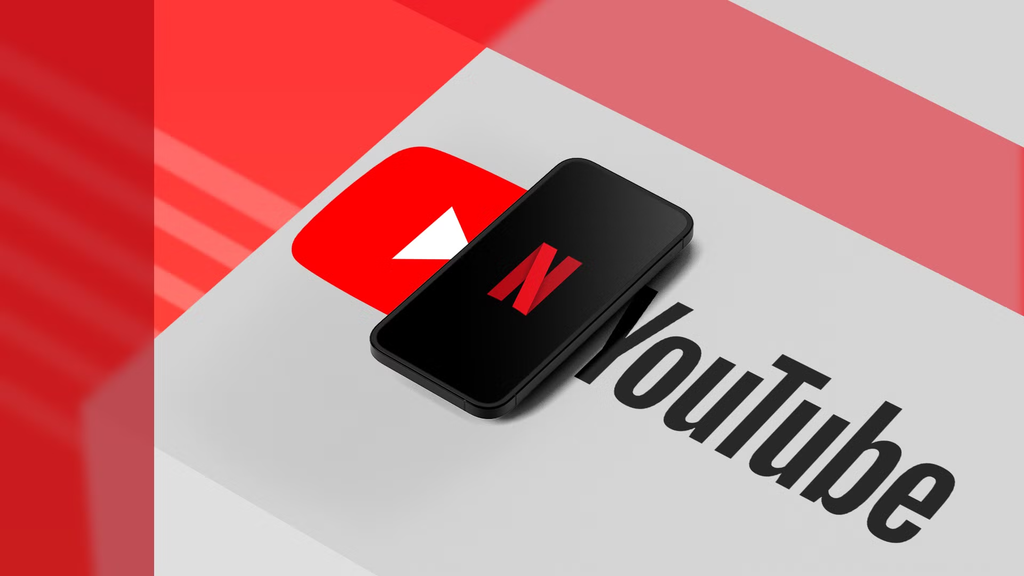
Streaming platform competition is heating up as companies offer huge sums of cash to keep popular video creators on their systems. YouTube is now spending millions of dollars to block top internet stars from making deals with Netflix. Execs at YouTube worry that creators sharing videos on both sites will hurt their audience numbers. Major influencers are being asked to post exclusively on one site for specific time windows. YouTube says that stars who sign with rival services could lose access to big ad campaigns and promotional perks. This fierce streaming platform competition shows how much platforms value online creators to keep young viewers watching.
Read Also: Tech Market Reality Hits Fast-Growing Software Companies
Netflix wants to bring dozens of famous creators onto its app to boost viewing hours. They are paying stars like Alan Chiken Chow and Nick DiGiovanni to show videos on both platforms at once. Many creators like these deals because they earn extra money for videos they already made. Having videos on a new service also helps them reach millions of new paying subscribers. But YouTube thinks sharing content gives the impression that their app is no longer the main priority. The growing streaming platform competition is forcing both companies to rethink how they handle distribution rights.
Streaming platform competition forces creators to weigh rules and revenue
Some video creators are choosing not to sign deals with Netflix due to strict rules. The service asks stars to submit their videos several days before they go public. This delay does not work well with the fast schedule that online creators usually follow. Netflix also wants creators to remove certain brand sponsors from their video clips. Many creators prefer keeping their direct brand deals because they bring steady income every month. These strict demands are making some creators back away from joining the new platform.
Read Also: How Robotic Boxing Matches Show AI’s Rapid Progress
For almost twenty years both video sites existed side by side without directly fighting. Netflix focused on high budget movies and television shows for paying subscribers. YouTube focused on free user videos and built a giant global library of home media. Over time YouTube began dominating living room TV screens and winning huge ad deals. At the same time Netflix started looking for internet stars to attract younger audiences. The line between user content and traditional TV grew blurry over recent years.
YouTube executives previously believed that creators testing other platforms would always return. They noticed that most stars still use YouTube as their primary channel for reaching fans. Investing in select channels can also make thousands of other unfunded creators feel left out. YouTube does not want to act like a traditional movie studio that gives creative commands. However leadership decided that the constant flow of dual posts was becoming a real issue. Advertisers care less about YouTube videos if the exact same clips appear on rival subscription apps.
This is not the first time a major video company has used cash to stop rival startups. YouTube previously offered cash bonuses to creators when a competing app tried to buy early release windows. They also created new short video formats to fight against fast growing social apps. Officials realize that keeping exclusive rights to top talent is the best way to secure ad revenue. Both platforms will continue spending big money to win over the internet famous stars who pull in millions of fans.
Read Also: Detect AI content: how can you spot hidden digital media?
As the battle continues creator deals will shape how people watch online entertainment in the future. The growing streaming platform competition means viewers might soon need different subscriptions just to follow their favorite internet personalities. Media companies must balance keeping creators happy while protecting their own advertising business model in this intense streaming platform competition. This fierce streaming platform competition will likely grow even bigger as more companies join the market. Both sites are trying hard to prove they offer the best home for digital talent today during this streaming platform competition. Ultimately the rising streaming platform competition shows how vital digital creators have become to the entertainment industry.