
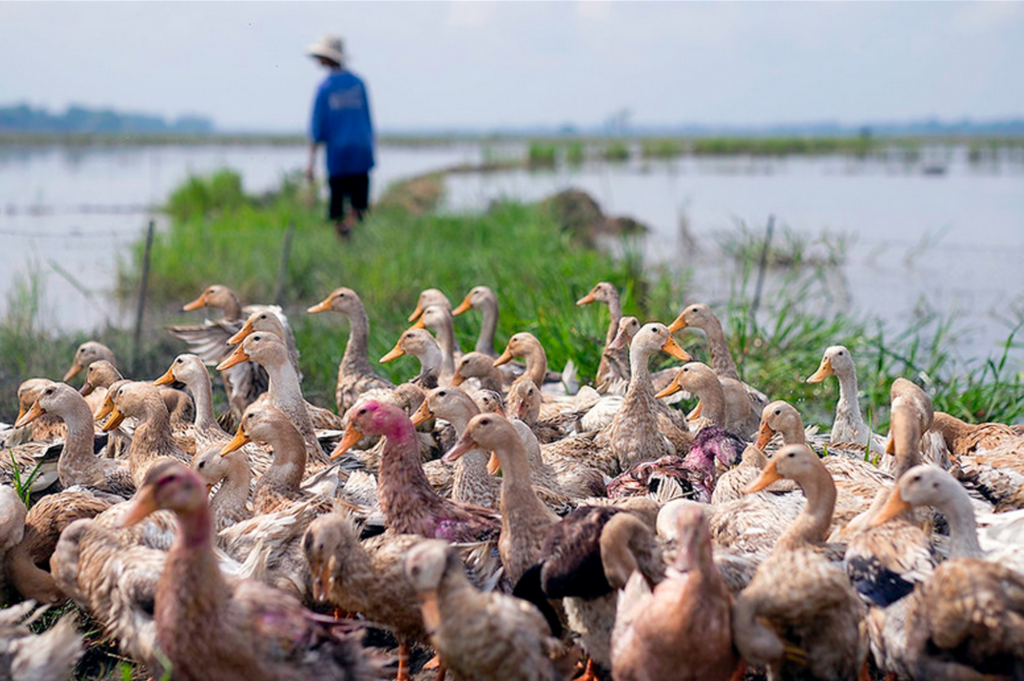
Animal origin diseases are quickly turning into one of the most serious challenges for world health systems right now. Many people wonder why diseases jumping from animals to humans keep making news headlines. According to major health organizations about seventy five percent of newly emerging infectious illnesses come directly from animals. Everyday illnesses that affect people also share this connection with six out of every ten known infectious diseases originating in wildlife or farm animals. This means animal origin diseases cause around one billion sicknesses and millions of deaths across the globe every single year.
Read Also: Can you really be healthy with obesity or is it a big myth
Why animal origin diseases keep spreading so fast in modern times
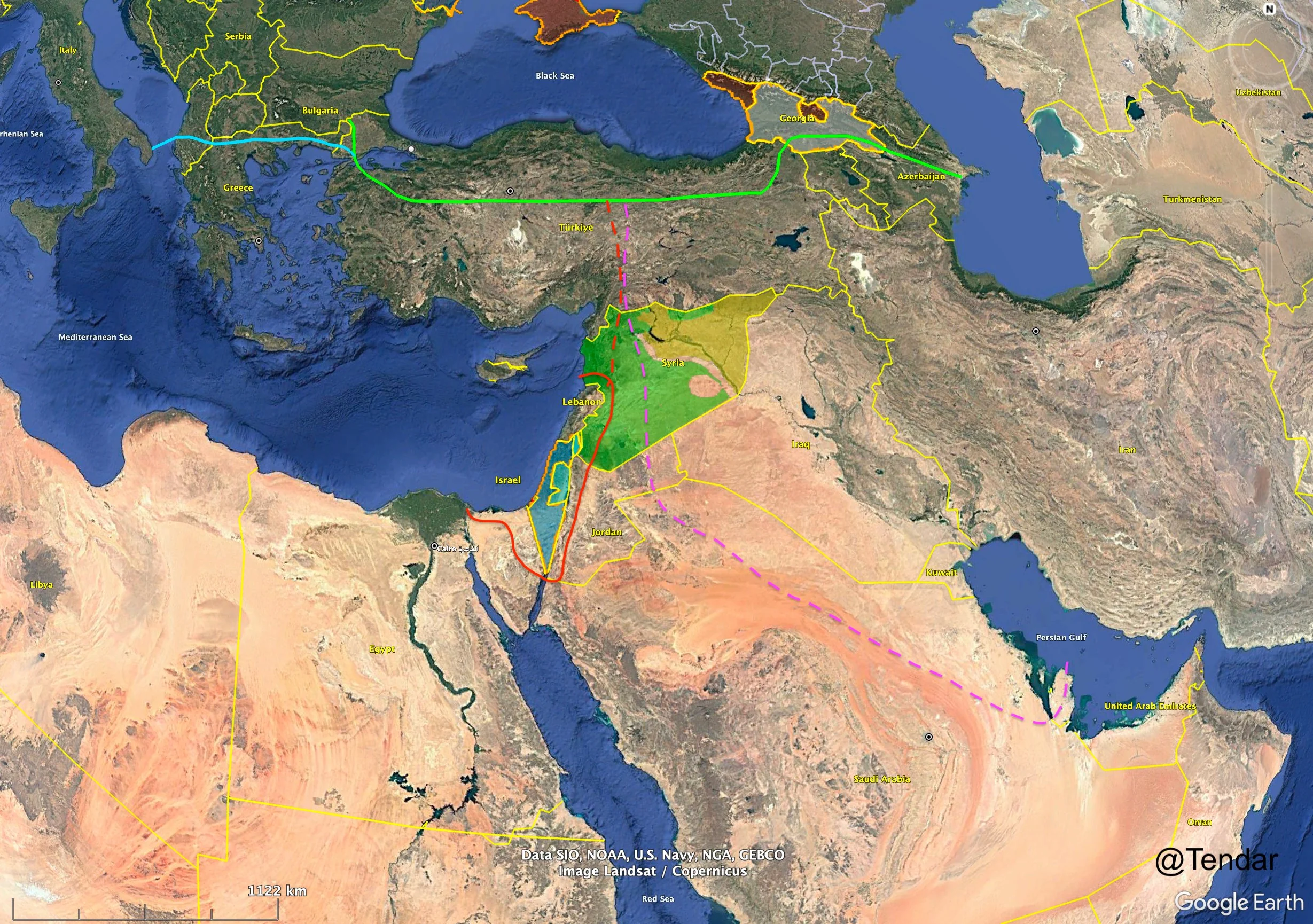
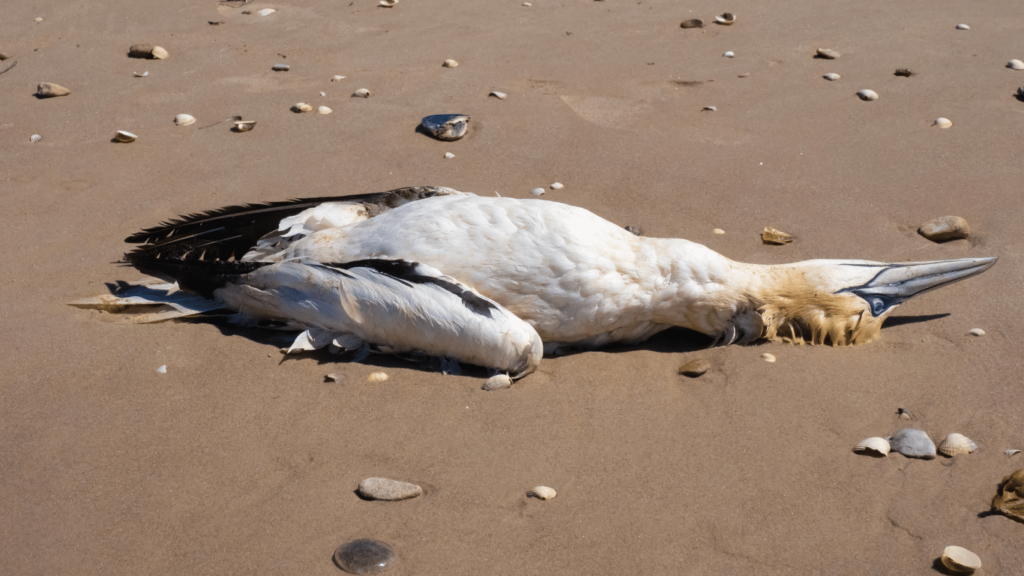
Understanding how animal origin diseases jump from wildlife to humans requires looking at how our world is changing. A famous example happened back in nineteen ninety nine when West Nile virus showed up unexpectedly in New York City. Crows in the Bronx Zoo started dying at the exact same time older adults developed strange brain infections. Investigators found that the virus traveled all the way from the Middle East likely through migratory birds or mosquitoes. Within just a few years that single virus spread across the United States Canada and Latin America showing how animal origin diseases can quickly transform into global threats.
Human expansion and environmental disruption
As human populations grow people build homes deeper into forests and natural habitats where wild animals live. Cutting down trees for farming or housing forces animals like bats rodents and monkeys to move closer to human neighborhoods. When humans and wild animals live in close contact viruses have many chances to make the leap to people. Rats carrying hanta virus for example drop tiny waste particles that mix with dust in farm buildings or homes.
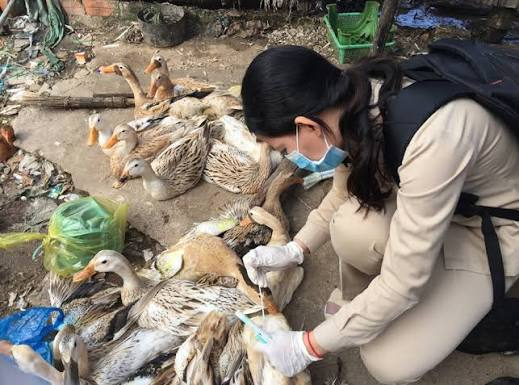
When people breathe in that polluted dust they fall very ill showing how easily animal origin diseases cross over.
Read Also: 4 Critical Things You Should Never Hide Before Surgery
Global travel and trade accelerate disease movement
In the past a virus that jumped from a wild animal to a human in a remote village might stay contained within that small area. Today high speed international travel allows an infected person or animal product to travel across the entire world in under twenty four hours. Live animal markets where different species are kept in tight dirty cages also create the perfect breeding ground for new viruses. These markets allow different animal viruses to mix together create new mutations and spill over into human populations very easily.
The important role of climate change
Changing weather patterns around the world also play a massive role in moving disease vectors into new regions. Warmer temperatures allow mosquitoes ticks and other insects to survive in places that used to be too cold for them. As these insects move into northern regions they carry dangerous pathogens like dengue fever or West Nile virus to totally unprepared populations. Changing rain patterns also force wild animals to migrate long distances in search of food and water bringing them into contact with new human communities along the way.
How the One Health approach can protect humanity
To stop animal origin diseases from causing the next global pandemic scientists and doctors promote a strategy called One Health. This approach recognizes that human health animal health and environmental health are all deeply connected to each other. Doctors veterinarian experts and environmental scientists must work together to monitor wild animal populations and track unusual virus outbreaks early. Keeping wild ecosystems intact protecting forests and improving sanitation in animal farms are essential steps to keep dangerous viruses where they belong.
Read Also: How to prevent cholera in Somalia?
Building better defense systems for future threats
Preventing future outbreaks requires better public education and strong investment in healthcare infrastructure worldwide. People living near forest borders or working closely with livestock need clear training on basic hygiene and safe animal handling. Hospitals also need fast diagnostic tools to catch strange infections early before they spread through whole cities. Taking simple proactive steps today will help protect millions of lives from the growing threat of animal origin diseases in the future.