
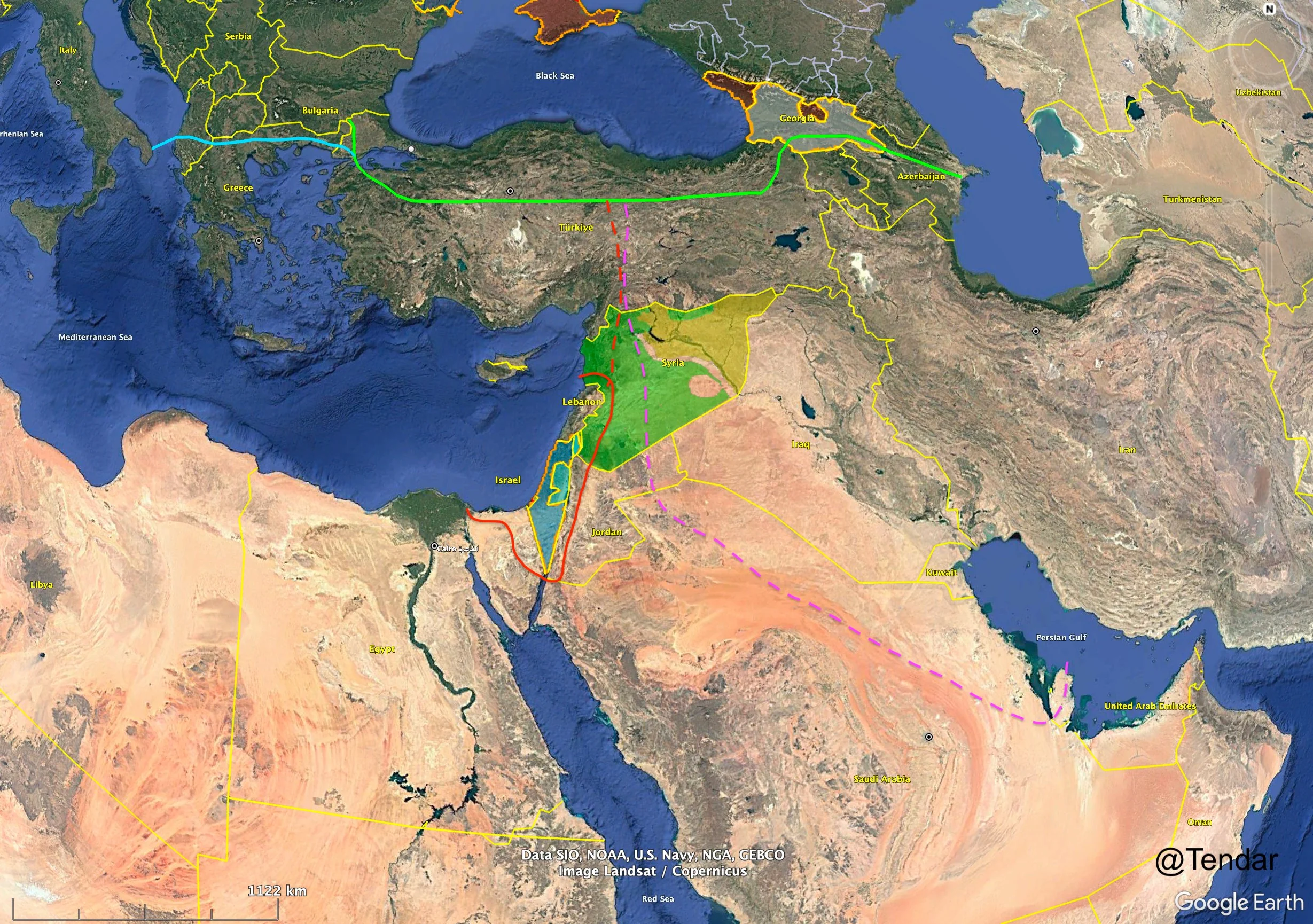


Author: Somali

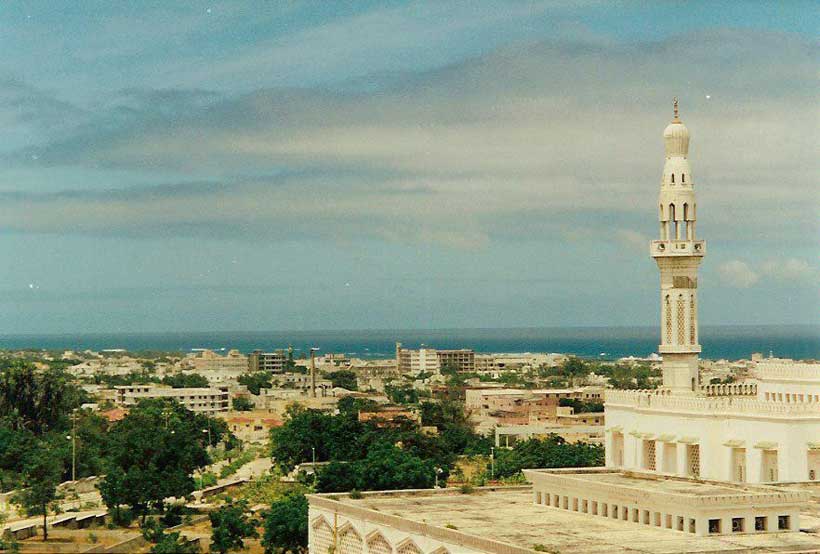
As of 2017, Somalia has invested $1.5 million in infrastructure projects. Strengthening Somalia’s infrastructure is critical to economic and social development. Strong infrastructure can overcome many economic problems. The Port of Mogadishu is being expanded for $100 million, increasing trade and logistics. Due to the increase in trade, the country’s economy develops. In addition, the road network, which consists of only 2,000 km of paved roads, is being expanded with international funding to facilitate connectivity and integrate the various tribes that make up Somali society. It is an important step. Transport Infrastructure: Roads and Ports Expansion In terms of connectivity,…
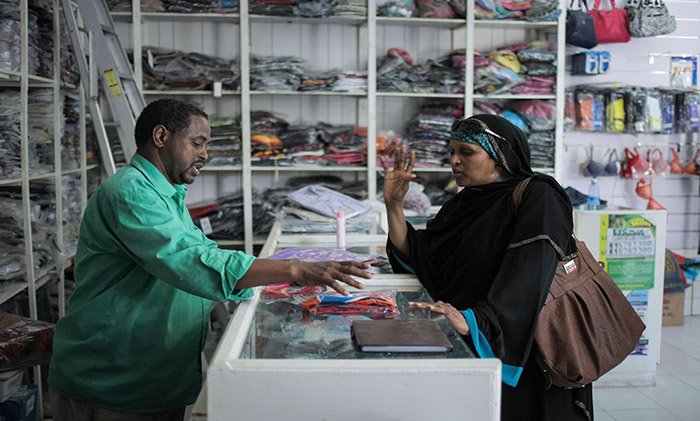
Small and large-scale enterprises have an important role in building a strong Somali society. These enterprises contribute more than 30% to the country’s GPD and employ more than 60% of the people. In this way, employment problems in Somali society can be overcome, and people can get better employment opportunities. Financing and infrastructure are severely lacking in Somali society, which leads to many conflicts. Despite this, all efforts are being made to access these resources. These institutions can lead to creation and poverty reduction, which in turn strengthens them and makes Somali society sustainable. The Economic Impact of SMEs on…
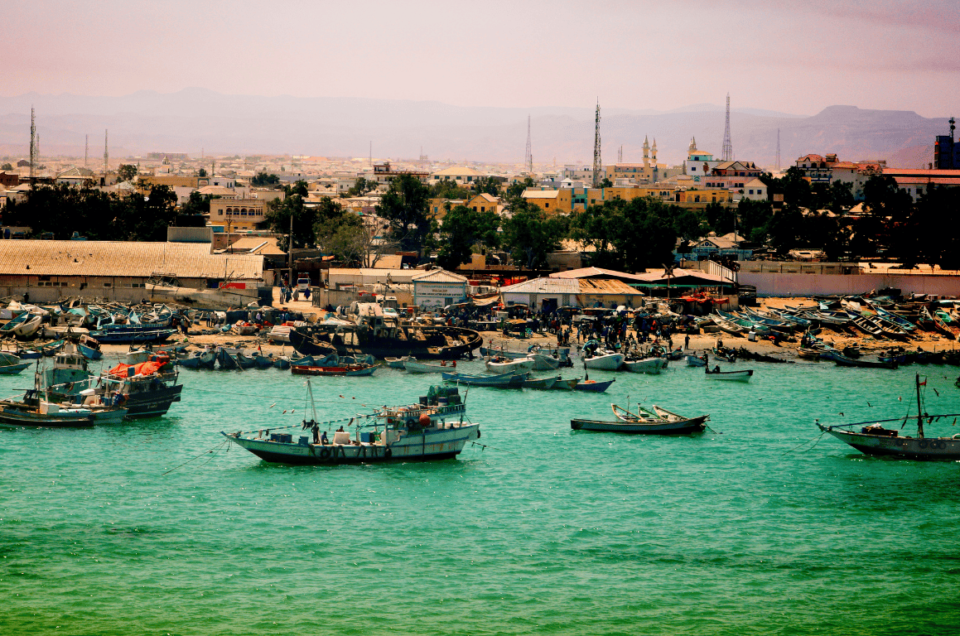
Since Somalia is a backward country, the tourism sector here could not develop. Although many cities here are known to be important in terms of sightseeing, including Mogadishu, the capital of Somalia and Hargeisa and Kismayo are also of special importance. The annual number of tourists here is barely around 50,000-100,000 including international tourists. Somalia receives about 50,000-100,000 international tourists annually, which is far less than neighboring Kenya, which is why tourism revenue is less than 1% of Somalia’s total GDP. With respect to the famous places of Somalia, tourism must account for at least 20% of its total GDP.…
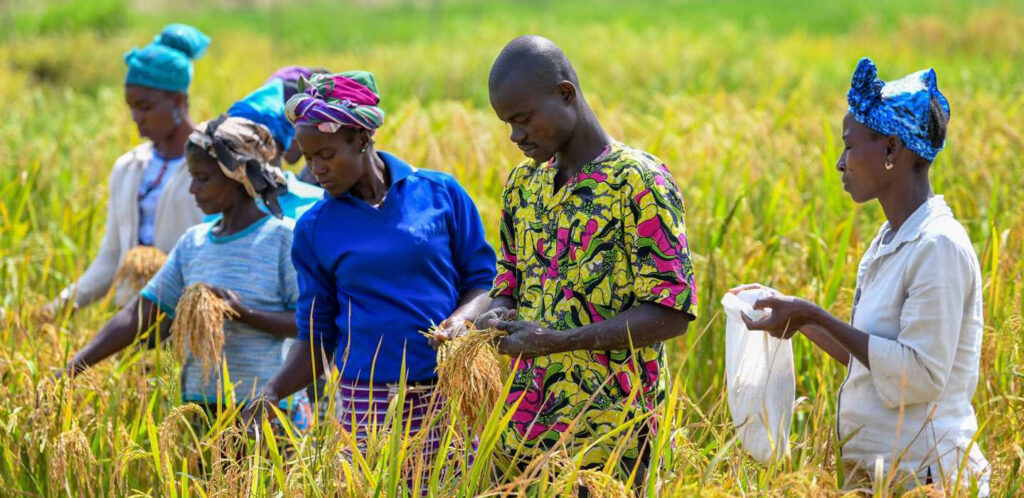
Somalia is a very underdeveloped country, and most of the people here depend on the agriculture and livestock sector. According to a survey, about 60 to 70% of the people here are related to the agriculture sector, which is the reason for their employment and food. The agriculture sector contributes the most to Somalia’s total GDP. According to an international survey, in 2020, almost 60% of Somalia’s total GDP was contributed by agriculture. However, despite this, more than 70% of the people here suffer from hunger and malnutrition. For the development of this sector, it is important to promote investment…

Innovative fintech initiatives are being taken to advance financial inclusion in Somalia. By 2022, 70% more Somali youth will be using money mobile services. The Somali fund-tech sector has grown by 20% annually through this innovative facility. If this new medium is better utilized, it is estimated to boost the market level to 1.5 billion dollars by 2025. Through this modern technology, Somali youth can get employment opportunities. Apart from this, one can get many facilities in the field of education. Due to this the financial inclusion of the country increased by more than 20%. Apart from this, the convenience…
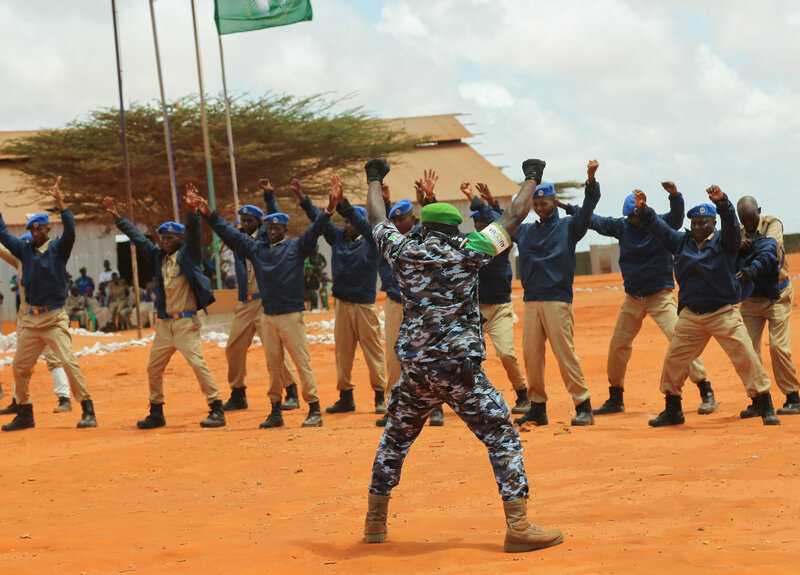
Somalia’s security sector reform aims to address obstacles to stability and improve security forces. The main goal of these efforts is to unify the militias to enhance military and police training. Somalia faces many problems and obstacles to these goals, but despite all these obstacles, SSR is taking steps to address resource shortages and combat corruption. To enhance civil-military relations. Thanks to these terms, stability can be established in Somalia. In addition, the Security Sector Reform is leading to important activities to strengthen state institutions and uphold the rule of law. Somali society can be developed by making many reforms…
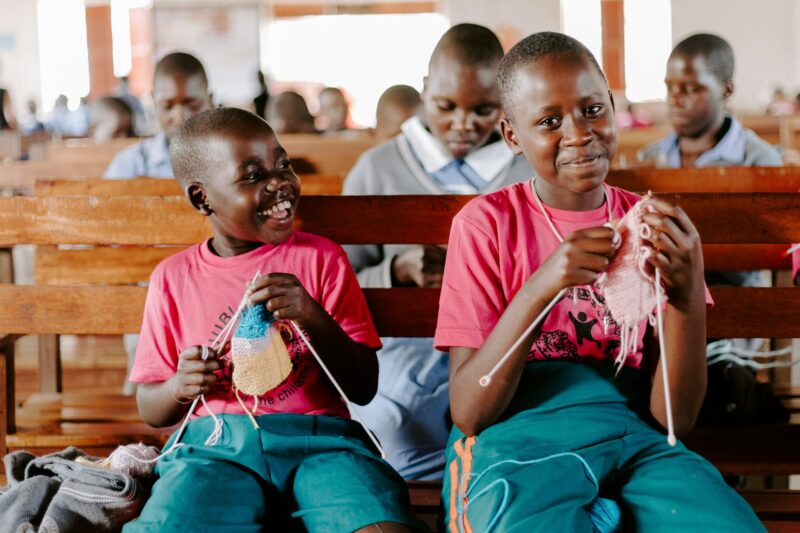
The youth in Somalia are playing an important role in the national development. The number of youths in Somalia is high, 70% of which are young youth. This youth serves the national development of Somalia. 70% of the population of Somalia under the age of 30 are contributing to the national development through business and jobs. Through digital networking and e-commerce, youth are participating in many activities. Which also increases financial inclusion and networking investment. In Somalia, investments are made in the areas of education and employment for the youth. Due to this, the country’s GDP increases by 10 to…
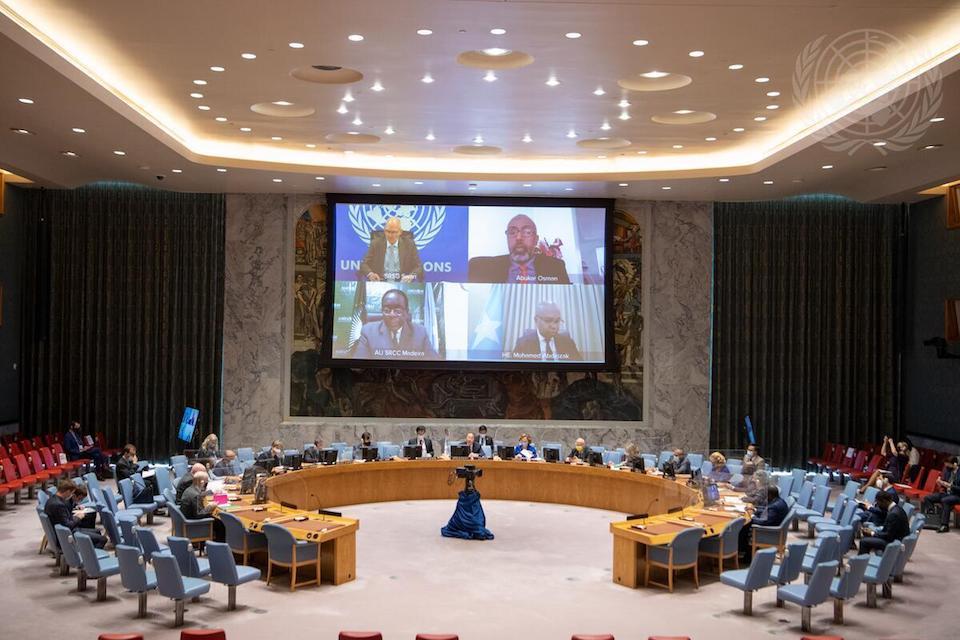
Promoting stability and peace in local institutions is critical to enhancing governance in Somalia. Most devolved governments in Somalia provide better services to local areas. In Somalia, this alliance helps provide better security in addition to reducing conflict. Statistically, this alliance sells confidence and flexibility. It emphasizes a community-based approach and better decision-making. These communities are vital to Somalia’s economic and social development, as they promote peace and strengthen local institutions, thereby promoting stability. Regional institutions have an important role in promoting peace and stability in Somali society. These institutions have the potential to reduce conflict while enhancing long-term stability…
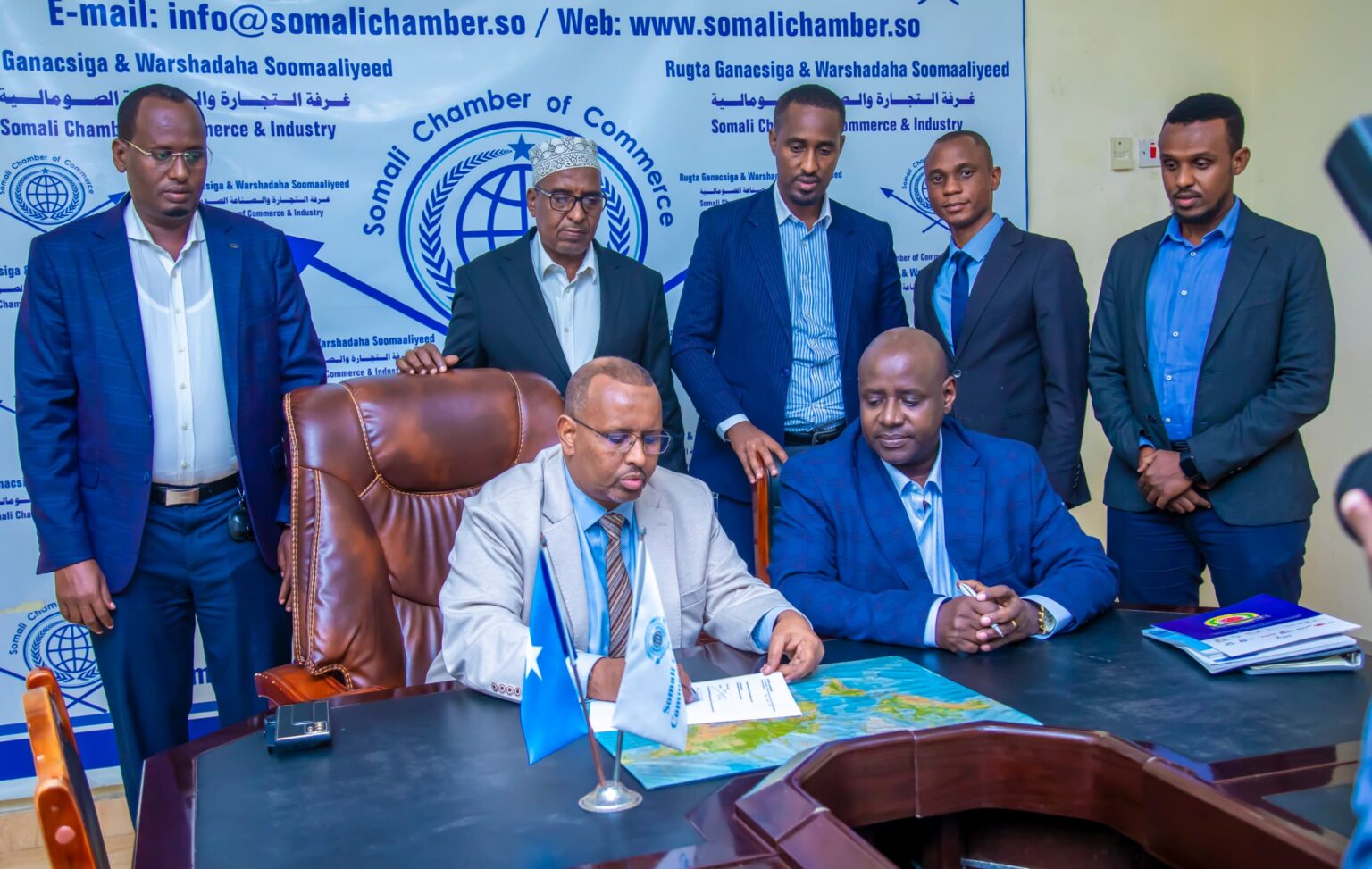
Regional trade is very important in Somalia’s economic system, which is increasing very fast with time. The country’s GDP is growing at an average rate of 3.4% per annum. Somalia’s inclusion in the African Continental Free Trade Area improves market access, which improves Somalia’s economic system. The country is bordered by the Red Sea and the Gulf of Aden. Due to this, the importance of sea trade is increasing. This can develop Somalia commercially. Trade opportunities are increasing, which is very important for the country’s development. Also, efforts to improve infrastructure are attracting foreign investment. Regional trades are increasingly involved,…
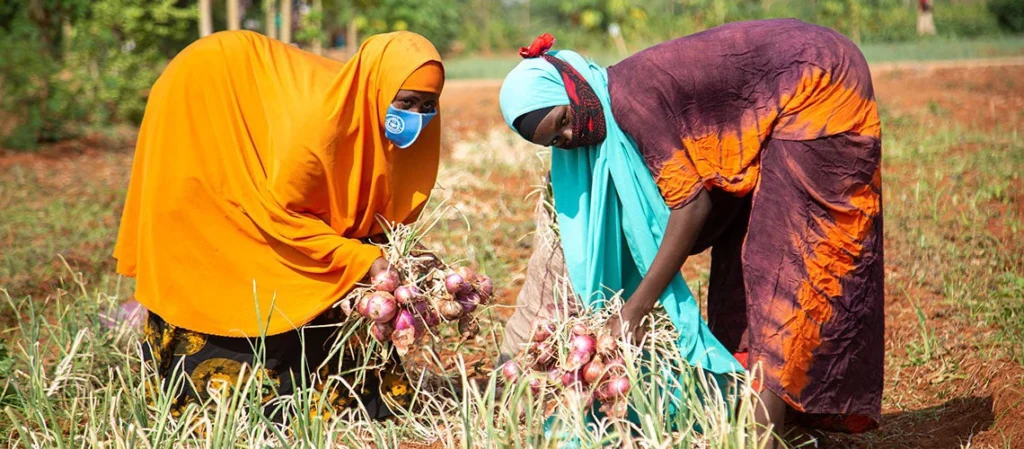
In Somalia, women contribute more than 50% of the workforce in agriculture and the informal sector. Women contribute to Somali society and contribute to family income. In Somalia, 30% of households are headed by women in various sectors. Women play an important role in the economic development of Somali society. Somali women participate in small- and large-scale businesses in urban areas. Women comprise 45% of the small- and large-scale business segment. For this reason, women play an important role in the development of Somali society. If steps are taken for gender equality in Somali society and women are given importance…