


Author: Somali

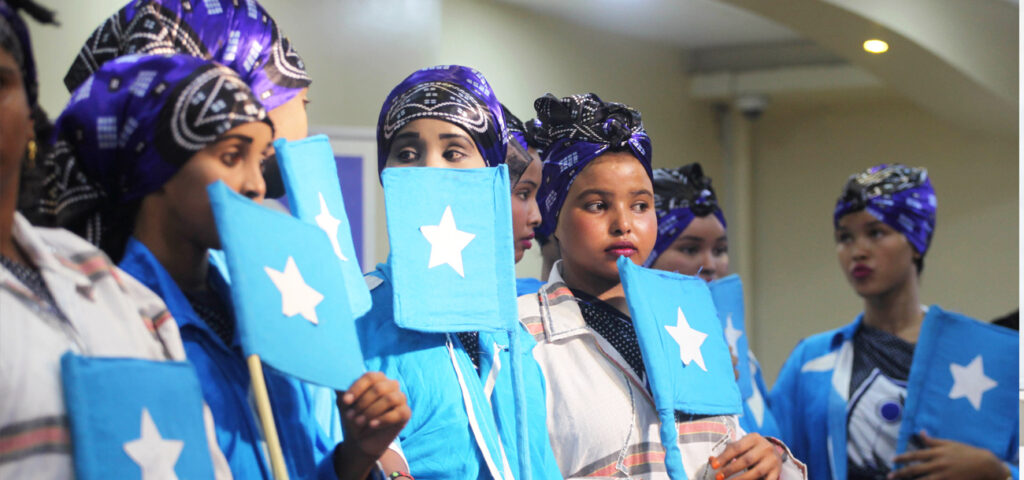
Women play an important role in Somali society in areas such as education, health, and business. Despite violence against women in Somali society, Somali women actively participate in social activities. Despite facing various challenges and a lack of resources, Somali women are doing their best in many fields. In 2020, more than 60% of women participated and played an important role in the reconstruction of the nation. According to the World Bank, social women make up 30.40% of the workforce in Somali society. Somali women are contributing to the country’s economic development through small sectors such as agriculture and community…
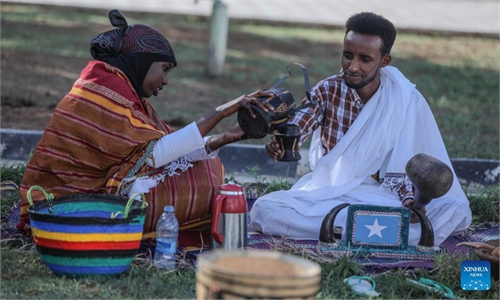
Studies show that 95% of Somalis are Muslims, who still value cultural and religious beliefs while preserving basic authority. In today’s modern era, social media and technology have greatly enhanced Somali culture and traditions. People living in Somalia maintain cultural ties mostly through food, clothing, and religion. Somali people have also maintained their religious traditions. Mostly through social media and digital networking, the Somali people have developed a lot and expressed their traditions and culture in a modern way. People living in the city have combined traditional ways with modern ways through social media and brought Somali traditions to life…
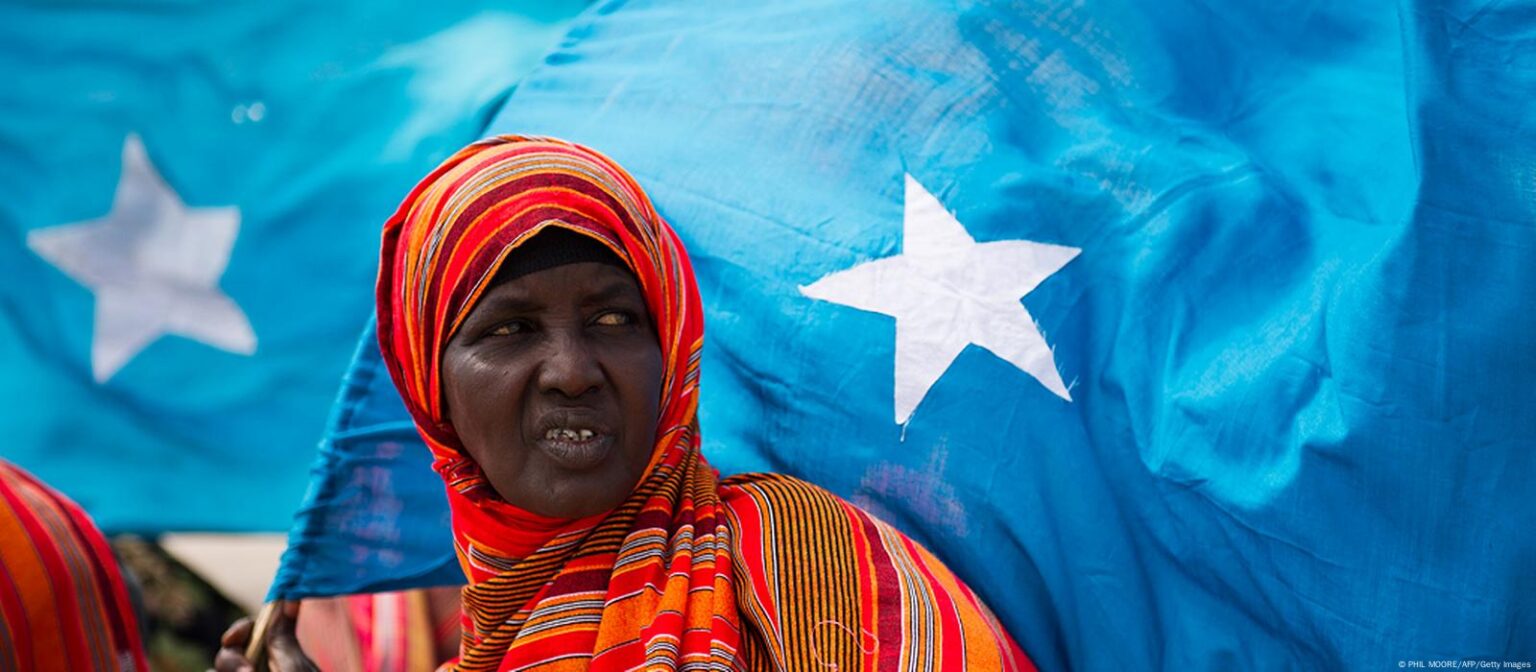
Somalia faces similar challenges due to political instability. Due to political instability, there is a decrease in economic and economic development here, and at the same time, terrorist groups are also occupying large areas here. But recently, the security forces in Somalia have increased by 25 to 30%, which has seen a decrease of about 30% in the deaths due to terrorist activities. And this success is a sign of improvement in the political stability of Somalia. But despite this, the challenges are still not resolved. About 40% of the population is affected by conflict, unemployment, and drought and needs…
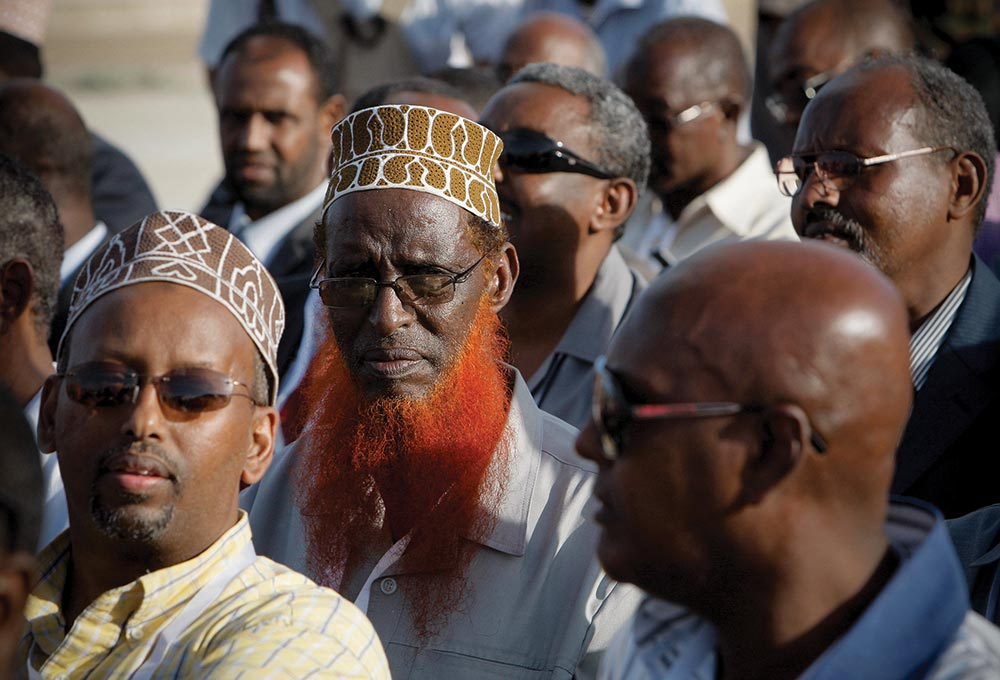
Somalia is a backward country; people here still do not compromise on their traditions and the ways of their elders. Even in the era of modern governance, Somali people depend on the traditional justice system and understand it better. A large population here consists of tribes, lives as tribes, and is identified only because of tribes. Each tribe has a chief who makes the decisions of his tribe under the traditional justice system. Even today, seventy percent of the people here trust the traditional justice system. A traditional justice system in Somalia is known as Xeer, and a large community…
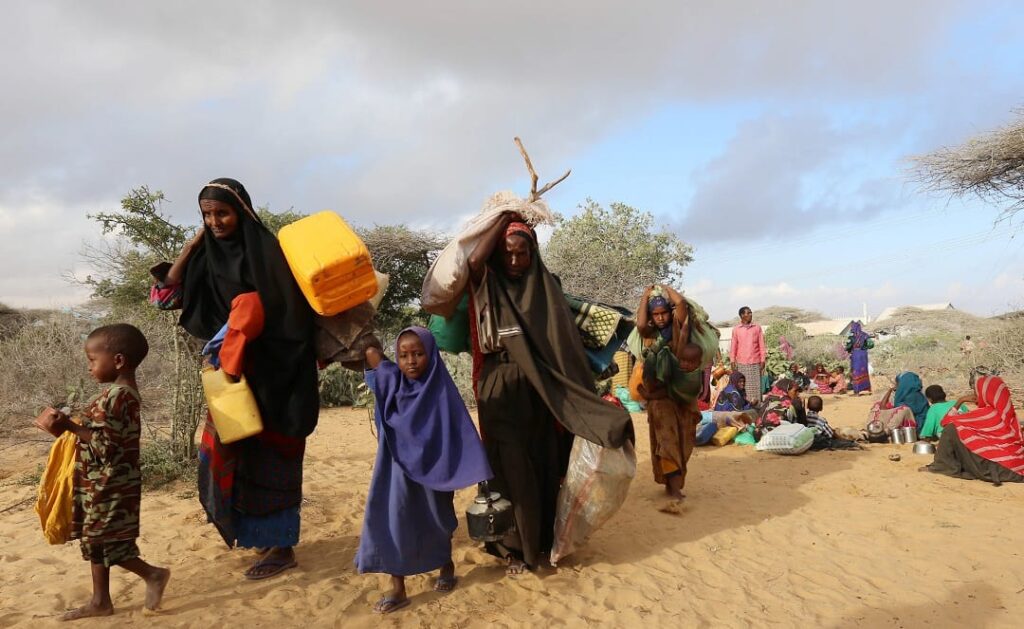
Somalia is a backward and poor country where many challenges are faced. There are many problems that hinder Somalia’s development, such as drought, lack of rainfall, political instability, terrorist organizations occupying large areas, poverty, unemployment, conflicts, and food shortages. For the economic and financial development of Somalia, it is necessary to deal with these challenges first. According to a survey, about 7 million people are affected by Taweel drought and poverty and 23 million people are homeless. There are militant groups like al-Shabaab that are an obstacle to investment, and more than $1.5 billion in international aid has been provided…
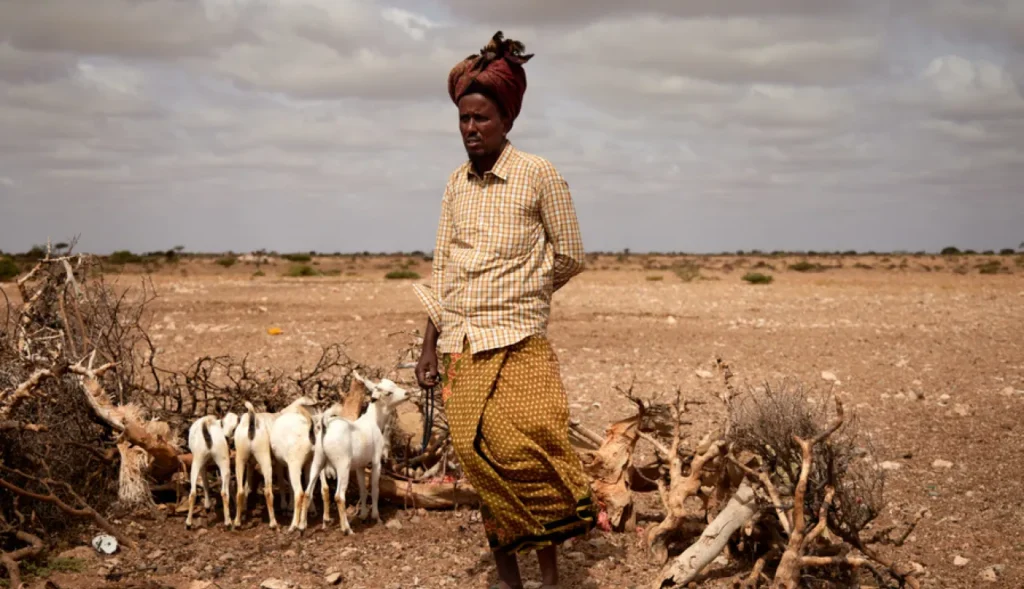
The agriculture sector is the only sector that contributes more than 60 percent to Somalia’s total GDP. But at the same time, it has the most challenges. The biggest challenge to this sector is the weather here. Climatically, there is a lack of rainfall in Somalia, which leads to widespread drought and crop production. Due to climate change, more than 3.8 million people are suffering from famine and lack of food. Due to all these reasons, people must migrate on a large scale, which creates new problems. Due to climate change, there is a reduction in crops by 40-60%. Shortage…
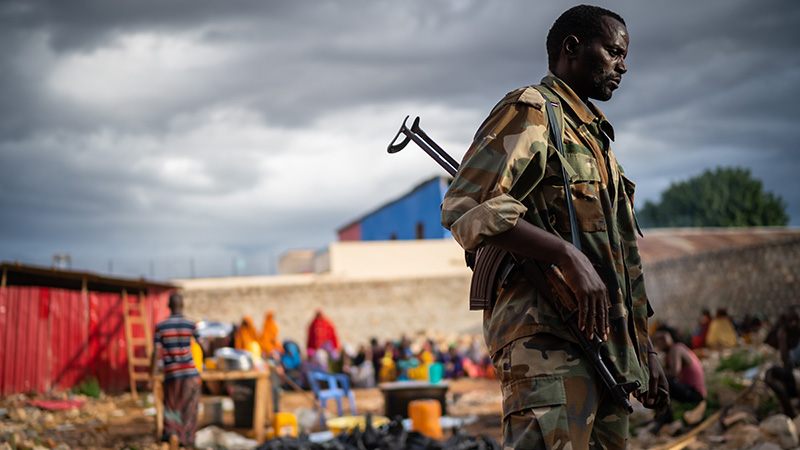
For the past several decades, Somalia has suffered from severe political instability, which has led to many problems. The absence of a permanent federal government is a big obstacle to the development of any country, so foreign investment companies do not go to this country, and there are many security problems there. But despite many challenges, after a long time in 2004, Somalia introduced a transitional federal government in terms of federalism, which surprised the whole world. Then a permanent Somali Federal Government (TFG) was established for the first time in Somalia. Since the beginning of this federal government, many…

Despite the political instability and lack of resources in Somalia, the Somali people are playing an important role in its economic development. Residents here work hard and are dedicated in every field. Although the literacy rate is very low compared to the rest of the world, the educated class is still contributing to the development of Somalia with their best efforts. Somalis are skilled. They are trying to improve the country’s economy through remittances. Diaspora members prefer to invest in businesses and other sectors. If the political situation here improves and peace is established by controlling the militant groups, the…
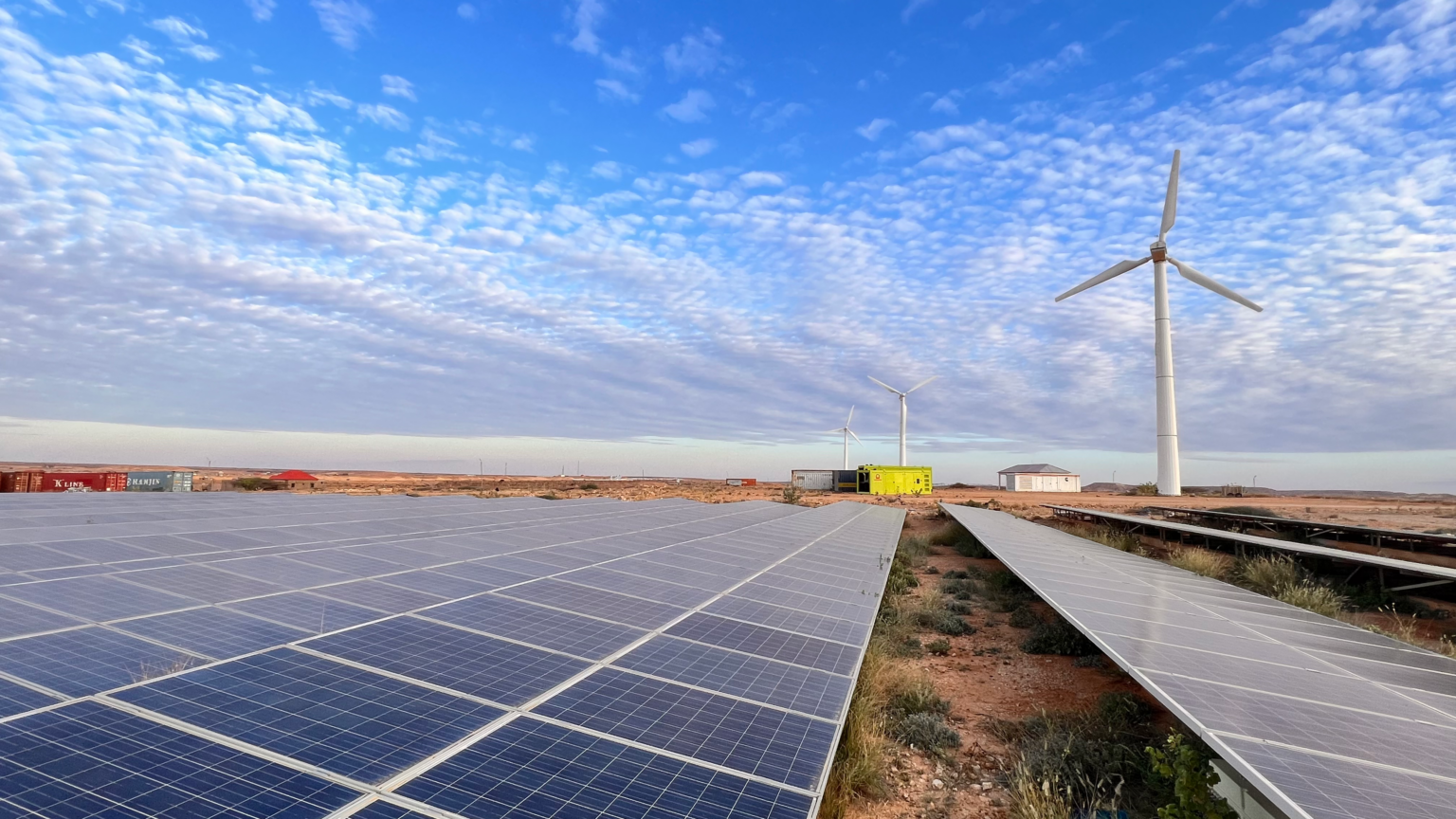
Solar energy and wind energy are very important in today’s modern era. With its help, electricity can be largely saved. Somalia also has an abundance of this energy. Which has about 3 thousand hours of sunlight. In contrast, the wind speed on the Somali coast is more than 6 meters per second. The development of these resources can promote the economic development of the country and increase the energy potential of Somalia. In Somalia, solar energy is meeting up to 90% of electricity needs. Due to this, there is an increase in the production and saving of electricity in Somalia,…
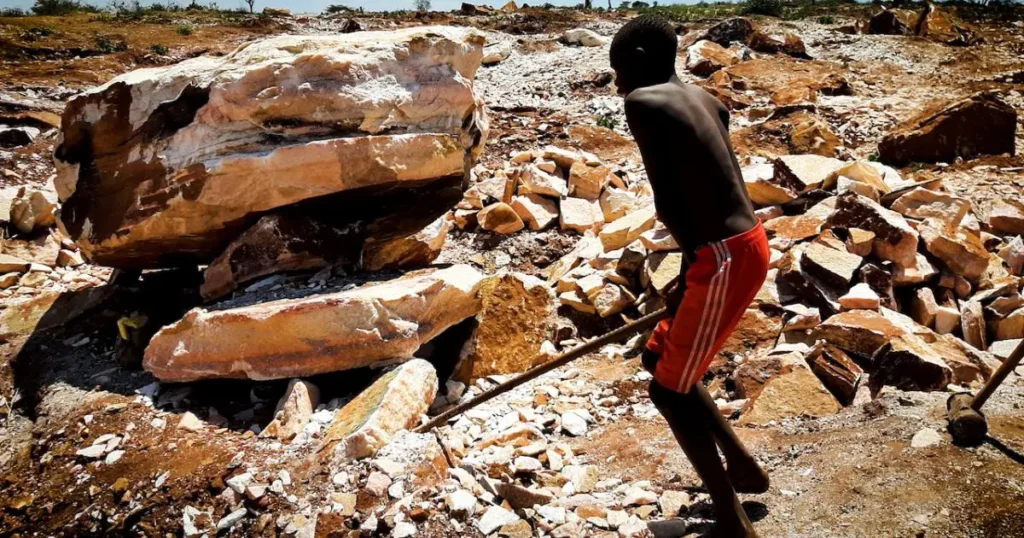
Somalia is a highly underdeveloped and impoverished country where unemployment, conflict, and political instability coexist. Due to these problems, many other issues arise, including the problem of education. Here, due to poverty and unemployment, about 40 percent of the children learn from work and are unable to study. In Somalia, only 27 percent of lucky children go to primary school whose parents have good jobs. Getting secondary education also must face expenses which is the reason why only 20% of children here can get success in secondary education. This situation is very serious for the future of Somalia. It is…